Category: Health

  • Curious case of armadillo leprosy

    Curious case of armadillo leprosy

    Texans love all things armadillo. It is the state animal and Texas has become somewhat of a haven for hunting the small creature. In Louisiana and Texas, people hunt, skin and eat armadillos. Nothing exemplifies this all-things-armadillo attitude quite like the fact that barbecued armadillo and armadillo chili are popular delicacies in Texas. During the Great Depression Texans went as far as to stock their pantries with armadillos.

    Every year, a significant number of people in southern United States walk into emergency rooms presenting with lesions of unknown origin. The lesions are quite clearly as a result of leprosy, but with some patients showing no history of foreign exposure (leprosy is not endemic to the United States) how they ended up with leprosy had always been somewhat of a mystery. Leprosy is rare in the United States, with only about 150 new cases reported each year — the majority of affected people lived or worked abroad in leprosy-endemic sub-tropical regions and may have acquired their disease there.

    Leprosy is not highly infectious — caused by the slow-growing bacillus, Mycobacterium leprae, and transmitted via droplets from the nose and mouth of infected and untreated patients. It can cause nerve damage, leading to muscle weakness and atrophy, and permanent disabilities when left untreated.

    It was in a lab in Baton Rouge, Louisiana that the case was first confirmed. Whole-genome resequencing of the leprosy bacteria from one wild armadillo and three US patients with leprosy revealed that the infective strains were identical. Infected armadillos had been reported across the southern United States, in Alabama, Arkansas, Louisiana, Mississippi, Texas, and Mexico, with several case reports have suggested that armadillos may be a source of the bacteria. The building body of evidence that these small animals act as a reservoir for the disease.

    Even though leprosy is exceptionally rare in the United States, it seems exposure to armadillos in southern states is quite common. Authors publishing in the New England Journal of Medicine show that a single predominant strain is involved in most human and armadillo infections. Transmission is relatively easy, either direct or indirect, involving fomites. Although in this case the authors suppose it occurs most frequently through long-term direct contact with an infected host as the bacteria doesn’t last for long out in the environment.
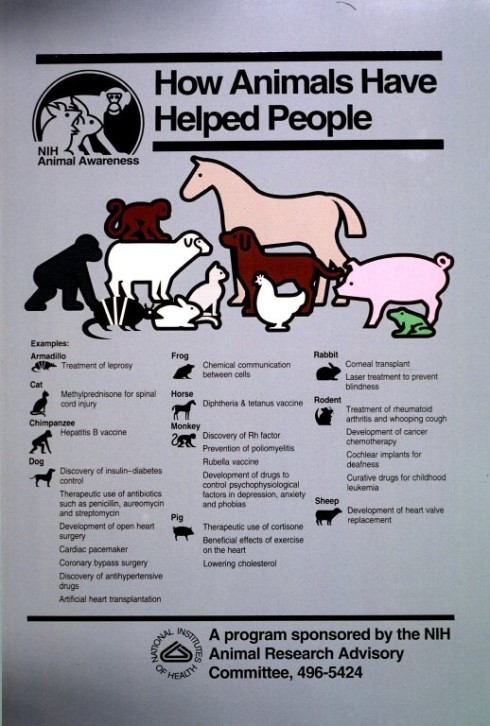
    c-00521

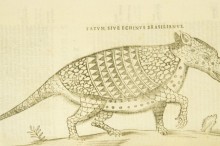
    Historically, leprosy had been hard to study. Very few animal models provided an adequate host for the disease. It grows vigorously in one animal — the armadillo, a fact discovered only in the 1970s at another federal laboratory in Baton Rouge. The nine-banded armadillo, Dasypus novemcinctus, is the only species of armadillo that occurs in North America, wondering north from Central America sometime during the early Pleistocene.

    There was a time, before sophisticated experimental techniques, when the bacteria for leprosy couldn’t be cultured. Research, especially research that deals with combating infectious diseases relies heavily on being able to culture the infectious agent in a controlled environment. They tried experimentally to transmit the bacteria to other animals such as mice — but failed. Not being able to produce enough bacteria to be truly useful is always a setback for research. Add that to the fact that mice don’t live very long and human leprosy can be over the course of two decades.

    Armadillo leprosy closely resembles the infection in humans — the lesions in its nerves was evidence of the armadillo as a suitable model animal.

    Today, it is estimated that a third of the leprosy cases that arise each year in the United States almost certainly result from contact, in one form or another, with infected armadillos. Interspecies transfer of the disease is uncommon and inefficient, but within the armadillo species transmission is efficient.

    What is becoming more and more evident is a complex problem — the ever increasing, incrementally advancing scourge of certain tropical diseases towards previously virgin areas, together with the fact that doctors have never seen these sorts of exotic diseases on a regular basis means there is frequent misdiagnosis. And as an estimated 70 percent of new emerging infectious diseases were known to have animal origins, perhaps it’s time to reflect and reframe the question.

    The microbe that causes leprosy is a fragile one. It does not grow in laboratory petri dishes, and survives only a week or two in moist soils. Its presence in armadillos predates the fact we use it as a disease model. Ironically, armadillos would have acquired it from humans sometime in the last 400 to 500 years — sometime after colonization of the New World. Now they’re giving it back…
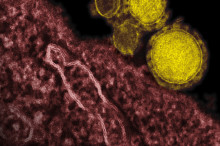
    Image — source, source.

  • Middle East Coronavirus

    Middle East Coronavirus

    Since the summer of last year, the perennial talk of epidemics and pandemics has focused on a novel coronavirus. A virus that belongs to a diverse group of that affects many animal species — from bats to humans. At the time the public health risks were unknown. How many could eventually possibly become infected or die? How does the virus spread? Is Human to human transmission possible?

    During the summer of 2012, in Jeddah, Saudi Arabia, the unknown coronavirus was isolated from the sputum of a patient with acute pneumonia and renal failure. To date, 55 laboratory-confirmed cases have been reported to the World Health Organisation. 31 individuals with laboratory-confirmed infection have died. Directly or indirectly most cases have been linked to four countries in the middle east; Saudi Arabia, Qatar, Jordan, and the United Arab Emirates. Now known as the Middle East Respiratory Syndrome Coronavirus (MERS-CoV), the exact scale and full parameters of a disease that the world is still understanding are slowly coming to the forefront.

    Roughly two months ago a 73 year old man from Abu Dhabi died in a Munich hospital. He died on the 18th day of his infection of septic shock from the coronavirus infection he was suffering from. It is this patient, who was admitted to the Klinikum Schwabing in Munich in March, that is the subject of newly published research revealing more about the virus’ clinical features. Publishing in the Lancet, the research highlights the need for a therapeutic approach and that more data and research are needed. Little comprehensive clinical data on the new virus exists. In all, cases have been documented in Arabian Peninsula, Tunisia, Morocco, France, Italy, Germany, and the UK. Although one case in France turned out to be a false positive. Across all the documented and reported cases this is only the fifth patient for whom the virus’s progression and characteristics have been described in a medical journal.

    Pandemic

    A question early on had always been, is this the next SARS? In the spring and summer of 2003, the global outbreak of severe acute respiratory syndrome (SARS) caused more than 8000 probable or confirmed cases and 774 deaths in 25 countries across five continents. A health scare of pandemic proportions. And that is the new state of fear with every new mysterious infection. The new coronavirus (MERS-CoV) is one which Dr Margaret Chan, the Director General of the WHO, described as “my greatest concern right now.

  • Industrial Food and Evolution

    Industrial Food and Evolution

    Brooklyn Grange, via Gothamist.com
    Brooklyn Grange, via Gothamist.com

    Back in 1748, William Cullen invented the first known refrigeration system at the University of Glasgow. Today, the refrigerator is something many take for granted. Probably, not much thought is given to refrigeration, but when you pause and think about it, heating and cooling has made one of the biggest contributions to modern society and in particular, society’s ability to be mobile.

    In the early 20th century, (and way before that, too) people lived near towns and villages and went to the market daily for their meats, cheeses and eggs; items that would spoil if not eaten soon. A relationship developed with the shopkeepers – they conveyed knowledge of foodstuffs, preparation and daily news. Employment centers were located where food was available. Fast forward to 1916 when Clarence Saunders opened the first supermarket, Piggly Wiggly, and the world became both smaller and larger at the same time (however perishable food items were not available till the 1920s). With the ability to keep food cool (temperature food usually kept at), people could move further out and store food in their new Frigidaires. Grocery stores could open and cater to new villages and towns. So in a way, the frozen food section has contributed to suburban expansion. For better or for worse. Refrigeration meant workers and their families could move further outside the town limits. Cities grew; suburbs grew.

    But it suddenly (within the past 5 or so years) seems hip to do things the old fashioned way. Although I don’t think city dwellers will return to storing their frozen food in ice houses down by the East River. At least I hope not. There is a sweep of urban agriculture casting its net across NYC and many other urban areas across the states. Even corporations like Whole Foods are getting in on the act. I grew up on a farm in the Midwest, one that raised soybeans, wheat, and hogs; so this rooftop farming seems more like industrial gardening to me. Spinach, lettuce, and other crudité are taking to the skies, bathing in hydroponics or even aeroponics in some setups.

    I see the benefits – trying to encourage and promote fresh produce in diets, especially for children and in low-income areas; transportation costs are cut since fruits and vegetables don’t have to be trucked or flown in; and emissions, such as greenhouse gases are reduced. I question how big of a dent rooftop gardening could have on transportation costs and deliveries at this stage. And how clean is the food sitting up on a rooftop in a dirty, smoggy city?

    Photo: James Baigrie; Styling: Lindsey Beatty, via myrecipes.com
    Photo: James Baigrie; Styling: Lindsey Beatty, via myrecipes.com

    A bigger issue I think we have to tackle is that of food waste. Mayor Mike Bloomberg has challenged restaurants to participate in a new city program designed to reduce the amount of food waste sent to landfills. More than 100 restaurants have signed on so far.

    Food security is a concept that many nations, including developed nations such as Australia and the United States are dealing with. In the U.S., one in four kids are hungry and do not have enough to eat. A film that really drives home the current status of food policy in America was released this past March. It’s called A Place at the Table and was produced by Top Chef star, Tom Colicchio. I highly encourage you to check it out, whether you live in Australia, Spain, Turkey, Kenya or the U.S., food is an issue central to people around the globe.

    The Food and Agriculture Organization of the United Nations released a report entitled The State of Food and Agriculture 2013. It attempts to address the attire by shining light on nutrition, production, the supply chain, and even the governance of food systems. As the report states, “Malnutrition in all its forms – undernutrition, micronutrient deficiencies, and overweight and obesity – imposes unacceptably high economic and social costs on countries at all income levels.

  • Mosquito-borne diseases: Fighting fire with fire

    Mosquito-borne diseases: Fighting fire with fire

    I have a decidedly “live and let live” approach to life. There are no animals in this world which I harbour any malicious feelings towards, regardless of how many of those animals would think nothing of poisoning, eating, maiming, or otherwise killing me (it’s a tough world out there). No animals, with one exception. I absolutely detest mosquitos – and not irrationally so.

    You see, you might not realise it, but mosquitos are actually the most dangerous animal in the world. Yes, seriously. They may not look like much, but every year, mosquitos will spread diseases to 700 million people. That’s 10% of the human population on this planet. Many of the diseases spread by mosquitos are potentially fatal, and mosquitos are responsible for over 2 million deaths every year. Needless to say, some way of curbing the spread of mosquito-borne disease would be a huge success in combating illness worldwide.

    Interestingly, an unusual but potentially effective method has been devised by Ary Hoffmann and Michale Turelli at the University of Melbourne. I say unusual, because their method of preventing mosquitos from spreading disease is to actually infect the mosquitos with a disease of their own.

    When mosquitos are infected with a type of bacteria called wolbachia, it renders them unable to spread viruses such as dengue fever. Dengue is a particularly nasty disease spread by mosquitos, for which no real treatments or vaccines are available. Around 40,000 people die every year from dengue, with around 2,400 cases reported over the past few years in Northern Australia.

    Wolbachia bacteria are actually surprisingly common, existing naturally in around 70% of all insects. The particular strain used in this study was discovered by Hoffmann in 1988, in Australian fruit flies. Nature, it seems, is full of serendipities. In 2011, studies showed a great success. Mosquitos infected with wolbachia cannot spread the dengue virus!

    However, there was still a problem to address. Wolbachia also affected the mosquitos eggs, preventing them from hatching. While this may seem, at first, like a good thing in that it may cull the mosquito population, the problem lies in the fact that if the infected mosquitos all die off, the remaining insects will still be quite able to spread disease.

    The solution, perhaps even more counterintuitively, involves giving the mosquitos resistance to insecticide. At first glance, this idea may seem unappealing, but it isn’t without merit. In fact it’s quite ingenious. Areas which are particularly prone to mosquito-borne infections tend to use insecticides as a way to control the mosquito populations and curb disease. In these regions, the non-infected mosquitos would be killed off by insecticide, so that the population of mosquitos would adapt. The end result would be a population of mosquitos which cannot spread the dengue virus.

    Similarly, the insecticide resistance gene would not be able to be passed to any non-infected mosquitos. A female mosquito would pass on both the gene and the bacteria to her eggs, while any non-infected female mating with an infected male would lead to eggs which will never hatch (due to cytoplasmic incompatibility). The end result would be that the only offspring from this population of infected mosquitos would also be infected, and therefore would be unable to spread viral infections to humans.

    As well as dengue, the method is promising as a way of preventing other mosquito-borne illnesses, such as yellow fever, and perhaps eventually even malaria. The latest strain of bacteria which Hoffmann and Turelli are working with, named wMelPop, is a strong blocker of dengue and other viruses. Perhaps this method could eventually help to eradicate mosquito-borne diseases altogether.

    the meantime, I’m noticing that typing up this article is having the psychosomatic effect of making me feel rather itchy. I’m going to take this as a sign that I should stop writing about mosquitos now. And perhaps take a shower…

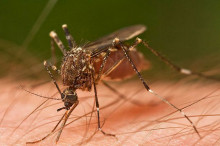
    Image: A Tasmanian mosquito feeding on human blood. Credit: J. J. Harrison/Wikimedia Commons

  • 15 million mobile phones used to track malaria

    15 million mobile phones used to track malaria

    We all know that mosquitoes spread malaria. What we never quite realise is that humans also spread malaria — and quite significantly. In some places, the spread of malaria is directly linked to the mass movements of human populations. The movements of infected humans seem to increase the dispersal of parasites beyond what would be possible by mosquitoes alone.

    Fifty years ago, when we first tried to eradicate malaria, it failed — and among the main culprits (along with drug resistance and unsustainable funding) was listed movements of human populations. Historically, movements of infected people from areas where malaria was still endemic to areas where the disease had been eradicated led to a resurgence of the disease. As people and populations move, they can increase their risk for acquiring the disease, or increase the risk of transmitting it.

    As always wars and civil unrest tend to favour disease transmission, and malaria is no different. During the 1980s in Angola, 15 years of continuous war had displaced hundreds of thousands of people. As a direct result, malaria moved from sixth to first place as the leading cause of mortality. This, simply because the capital city Luanda underwent an unprecedented population increase — and the malaria endemicity rose along with it. In a population that wasn’t ready for it.

    The relationship between malaria transmission and population movement is undoubtedly complex. Population movements that either place people at risk for malaria or cause them to pose a risk to others cannot be stopped. But it seems now they can be tracked and we can mitigate for it.

    In June of 2008, the movements of approximately 15 million people in Kenya were tracked using their mobile phones. Tracked, not by governments or refugee aid organisations, but tracked by researchers from the Harvard School of Public Health. During a 12 month period, every call or text made by each individual to one of 11,920 cell towers located within the boundaries of 692 settlements was logged and recorded.

    Surveillance is a term that loses more and more of its meaning with every single advance in technology. Usually we picture more nefarious intents and purposes for tracking citizens. Within that year in Kenya, starting points and destinations of all 15 million individuals were tracked — giving each person a primary settlement to call home and mapping their movements in relation to malaria prevalence. Researchers determined where each person spent most of their time based on the location of the majority of their call and text records — this was their home base.

    Mapping that onto malaria prevalence for the entire country allowed researchers to estimate and infer an individual’s probability of being infected and the probability that visitors to the settlement will become infected. Researchers built up what was essentially a parasite movement network.

    There was some directionality to the net movements of people and parasites between settlements. Settlements can either be characterised as “source

  • Morphine Hurts

    Morphine Hurts

    Why does Morphine cause pain?

    He was diagnosed with testicular cancer at the age of 27. At the age of 39 he was in so much pain he begged his doctors to die. He was in pain because of morphine. In the 12 years he lived since he was diagnosed he had a therapeutic regimen that allowed him to have a good quality of life. His pain was controlled by bursts of sustained-relief morphine twice a day. Up until a family trip in November of 2000 there were no problems. Then the pain got inexplicably worse.

    “Beating, shooting, stressful, squeezing, piercing, constant and terrifying” were the words he used to describe his torment. Any movement made it worse. In the end he had to lay “very, very still

  • Predicting the next epidemic

    Predicting the next epidemic

    In some parts of this world the rains predict disease, and a hot, dry, dusty wind is the harbinger of a meningitis outbreak that is yet to come. Now, from where you sit, Google will soon predict the next great epidemic.

    At this time of year, ever since that 2009 paper was published on flu trends, seasonal influenza and how we predict it, is a recurring topic.

    It seems we are always moments away from the next great flu epidemic. This year saw a novel coronavirus make the rounds. A virus that usually causes nothing more serious and common than a cold, was the source of severe respiratory illnesses in the Middle East, with reported cases coming from Qatar, Saudi Arabia and Jordan, and resulting in 5 fatalities.

    The curious case of the novel coronavirus is a new strain of virus that has not been previously identified in humans. The hypothesis is that it jumped the species barrier, but, as of yet, a definitive origin has not been identified.

    When a disease will decide to jump the species barrier is hard to predict. Some of the most serious afflictions of humans in recent times have had their origin in animal diseases. HIV/AIDS and ebola being the prime example. Seasonal influenza is another — causing tens of millions of respiratory illnesses and up to half a million deaths worldwide each year.

    In mankind’s eternal struggle against disease, as the adage goes, prevention is better than a cure. But how do we prevent disease? How do we mitigate for an oncoming plague or pestilence? A part of this prevention is predicting it.

    Currently, we can only really predict an epidemic when it is currently in motion. Hospitalizations are the only way we can really track a disease. When it is possibly already too late. When people are already sick.

    In the week the world was supposed to end, the European Centre for Disease Control (ECDC) released its weekly report on influenza surveillance, like it had done since week 40 of this year. The report aggregates data on influenza-like illnesses reported in primary health care facilities, as well as virological and clinical data.

    Flu surveillance, in Europe and similarly in the US, is based on nationally organised sentinel networks of physicians, mostly general practitioners (the first person you go see when you’re ill), covering at least 1 to 5% of the population in their countries. Each sentinel physician reports the weekly number of patients seen with influenza-like illnesses and acute respiratory illnesses.

    The report is essentially there to tell us when a flu epidemic is going to break out. In week 49, ECDC announced that the season of influenza transmission had begun.

    Along with the direct methods of detecting and monitoring disease, in recent years new and innovative non-direct methods have been tested. From sales of over-the-counter medication to online activity. The idea is to try and record health-seeking behaviour… ie before the disease has taken hold in a population.

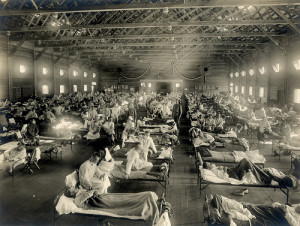
    Emergency hospital during flu epidemic
    Emergency hospital during influenza epidemic, Camp Funston, Kansas.

    Monitoring disease, 140 characters at a time…

    Flu is a disease very amenable to being searched and turning up in social media. Health-seeking behaviour — in this day and age, we google every ailment. However, diseases which are more serious probably won’t follow this social pattern.

    The concept is essentially trying to “predict the present

  • Bacon Fans United: The Pig Genome Sequenced

    Bacon Fans United: The Pig Genome Sequenced

    Breeding healthier and meatier piggies has been one of the many scientific challenges of the past decades; creating more reliable models to study human diseases is another. The swine disease model is indeed much better to use when studying human disorders than the (thus far) widely used murine models. Although pigs reproduce slower than mice and are more expensive to take care of, they are more similar to humans when it comes to anatomy and physiology. These common grounds have allowed the development of accurate swine models for diabetes, cystic fibrosis or retinitis pigmentosa (a cause of blindness). In its issue of 15 November, Nature published the fully sequenced and annotated pig genome. This is a major achievement, and will allow considerable progress to be made on both the yummy and the healthy fronts.

    Sus scrofa domestica, by its official name, originates from South-East Asia and then went on a visit to Europe. A closer examination of the sequenced pig genome consistently shows a clear and deep split between Asian and European wild boars rooting some 1 My ago. More precisely, the analysis allowed to date the split between the two lineages in the mid-Pleistocene (1.6–0.8 My ago), a divergence the authors explain with possible colder climate prompting isolation between populations across Eurasia.

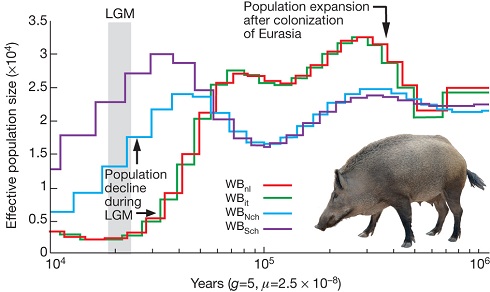
    Demographic history of wild boars. Image from Groenen et al. (Nature, 2012).
    Demographic history of wild boars. Image from Groenen et al. (Nature, 2012). The default mutation rate for human (μ) was used, and the generation time (g) was estimated to 5 years. The Last Glacial Maximum (LGM) is highlighted in grey. WBnl, wild boar Netherlands; WBit, wild boar Italy; WBNch, wild boar north China; WBSch, wild boar south China.

    As the authors explain it:

    Our demographic analysis on the whole-genome sequences of European and Asian wild boars revealed an increase in the European population after pigs arrived from China. During the Last Glacial Maximum (LGM; ~20,000 years ago), however, Asian and European populations both suffered population bottlenecks. The drop in population size was more pronounced in Europe than Asia, suggesting a greater impact of the LGM in northern European regions and probably resulting in the observed lower genetic diversity in modern European wild boar.

    Noticeably, pigs have been faithful companions to humans for 10,000 years now. Breeding piggies and selecting for some particular features of theirs has had an important impact on the swine genome. Authors thus identified a wide range of genes and gene families to have undergone fast-paced evolution. Immunity-related genes, already known to be actively evolving in Mammals, were for instance part of this subset, and further analysis revealed evidence for specific gene duplications and gene-family expansions. Lastly, a significant expansion of the porcine olfactory receptor gene family was described. The authors explain it by the importance smell has for pigs when scavenging for food.

    Image source

  • BioGrid Australia wins People¹s Choice Excellence in BI Award for 2012

    BioGrid Australia wins People¹s Choice Excellence in BI Award for 2012

    BioGrid Australia has won the hotly contested People¹s Choice Excellence in Business Intelligence Award for 2012 for its application of information technology in e-health.

    The Excellence in Business Intelligence Award, sponsored by BusinessMinds, was won by Telstra for a customer centric solution using near­real time BI.

    In the People’s Choice Award, the delegates at the Big Data Summit in Sydney held 29-30 October, voted BioGrid Australia as a clear winner. The award recognises how the BI solutions BioGrid Australia provides researchers helps to save lives.

    Maureen Turner, CEO of BioGrid Australia, said This award recognises the value and importance of BioGrids collaborative technology which connects data from multiple institutions to enable research projects with sample sizes of thousands of patients allowing Australian research to compete on an international scale.

    She said the award was a clear demonstration of the not for profit organisation¹s skills and ability in establishing, maintaining and using business intelligence to drive results.

    In essence, BioGrid Australia is paving the direction for the future of how e-health in Australia will operate in the future, enabling a more comprehensive view of a patient, their history and how they have been treated.

    The organisation links 26 health services and research organisations across Australia using a web based platform. Data is physically located across jurisdictions and dynamically queried and analysed using SAS statistical analysis software.

    BioGrid was initially set up by clinical researchers who were trying to find more effective solutions to clinical problems. Their aim was to use a federated platform to connect individual data and enable researchers to use it effectively.

    Recent research using BioGrid showed the significant impact of the national bowel screening program as researchers were able to analyse data from more than 1200 bowel cancer patients from 19 sites around Australia.

    The analysis produced showed the government the importance of the bowel screening program. It indicated that early diagnosis of bowel cancer not only significantly improves the chances of patient survival but it also reduces the cost of treatment per patient as advanced bowel cancer requires expensive drugs to treat. The 2012 federal budget included $50 million to extend the program for another four years.

    The People Choice Award highlights the recognition within the business world as well as IT and medical research of the role that BioGrid is playing: it is enabling research that will inform and change the way patients are viewed and treated, she said.

    The other finalists in the BI Awards were Commonwealth Bank, NRMA and Open Universities Australia.

    More info on BioGrid Australia (www.biogrid.org.au).

    Image.

  • The Continuing Saga of the Genetically Modified Plant

    The Continuing Saga of the Genetically Modified Plant

    Mutant Fruits, Photo Source: Wikipedia

    GM (Genetically Modified) Foods

    “Jack! Did you see that potato move?! He’s a GM, that one, he’s sprouted eyes and I bet he’ll grow legs next! He’s gonna round up his buddies and take over the farm!

  • Panique au village: the revolution that caused an epidemic

    Panique au village: the revolution that caused an epidemic

    It boasts, struts, and flaunts with that kind of assurance that only comes from the mentality of knowing that you are right, and that even if you may be wrong, others will admire you for it. This is Paris.

    Where other cities flowed and spilled out to occupy a space larger than its originality, Paris said enough is enough and contained itself. To this day only the “arrondissements

  • The evolution of human mortality

    The evolution of human mortality

    How long until we live forever?

    The general consensus is that we are getting older and living longer. Despite consequences and kryptonite, it is getting easier to stay alive. Heaven can wait, it seems. Every year each baby born is expected to live 3 months longer than its predecessor of the previous year. This has been the case for the last 160 years. A stunning display of the ability we humans have to prolong the length of life. And it is this simple fact of life that economists and politicians are struggling to deal with — an ageing population and not enough resources to go around.

    But outside of this there are some interesting and important questions to pose when thinking about human mortality. Does our mortality have a basis in our genetics? Researchers, publishing in PNAS, wanted to know if this reduction of mortality was as a result of a possible genetic shift or something much simpler. They wanted to understand the evolutionary context for variation in human mortality patterns — particularly comparing those of today to hunter-gatherer populations. Modern-day hunter-gatherer populations which are used as a proxy in evolutionary terms.

    What they found was a significant decrease in human mortality. The vast majority of this mortality reduction has only occurred since 1900 and has been experienced by only about 4 of the 8,000 human generations that have ever lived. An astounding fact.

    The average age-speci

  • Weekly Science Picks

    Weekly Science Picks

    So much science, so little time… – Photo credit, Leo Reynolds

    Sigh, my photo caption sums it all up…

    But here are the news stories that caught my eye and I hope you find them interesting as well. Maybe reading them will inspire your own work or to dig deeper for answers. In any case, enjoy!


    This is one of my favorite topics because it offers up rampant debate on so many topics – society, education, cognition. You’re just going to have to read it for yourself.

    This Is Your Brain on the Internet (Maybe) by Kyle Hill

    So what is the Internet doing to our thinking? It is hard to say. Current research has a hard time keeping up with the break-neck pace of online culture, and only the more conventional mediums like television and newspapers have been evaluated in any rigorous sense.


    Newspapers might be old school, but they do have an online media presence as well these days. This article was published in The Australian this week and concerns Australia’s own CSIRO. Genetically modified crops and foods have been a part of our collective diet for many years, whether or not some want to admit it. And they are here to stay. I am of the opinion that they play an important role in our food security given a number of ever changing variables in our environment. The usual characters are depicted in this piece and it will be interesting to follow this story and hear the response from CSIRO.

    Scientists Wary of CSIRO GM Crop by Adam Cresswell

    SCIENTISTS from three countries are warning a CSIRO-led push to make Australia the first nation in the world to introduce genetically modified wheat crops could pose a significant health threat to humans and other animals.


    If you haven’t heard, NYC Mayor Mike Bloomberg has banned sugary soft drink sales in cups larger than 16 0z. in his efforts to personally tackle the obesity epidemic. I feel some disclaimers are in order: One, this story did appear on www.bloomberg.com, but you could have found it in a variety of online publications; and two, I serve on the Mayor’s Best Practices Partnership to identify strategies to combat childhood obesity. That being said, I find the details of the ban interesting as you can see in the quote below. I personally do not see the need for a a 32 oz. soda, but people who want their sugary fix will do some quick addition, carry more cans or bottles and walk to get more refills. Oh, how long must we wait for data on this?!

    NYC Health Panel Backs Bloomberg Ban on Super-Size Sodas by Henry Goldman and Leslie Patton

    Restaurants, movie theaters and other outlets have six months to comply or face a $200 fine each time there’s a violation, the health department said. The ban doesn’t apply to convenience stores and groceries that don’t act primarily as purveyors of prepared foods, which are regulated by New York state. The rules do allow consumers to buy as many of the smaller drinks as they want and to get refills.


    To continue with the discussion on obesity, this is an interesting read which once again highlights the genetics vs. environment debate.

    What’s the Main Cause of Obesity – Our Genes or the Environment? from ScienceDaily with resources from the BMJ (British Medical Journal)

    The ongoing obesity epidemic is creating an unprecedented challenge for healthcare systems around the world, but what determines who gets fat?


    And one last article that I thought was noteworthy, and a bit on the strange side by the title:

    Chemists Develop Nose-Like Array to ‘Smell’ Cancer from ScienceDaily, findings appear in the current issue of the journal ACS Nano

    The chemist says, “Smell ‘A’ generates a pattern in the nose, a unique set of activated receptors, and these are different for every smell we encounter. Smell ‘B’ has a different pattern. Your brain will instantly recognize each, even if the only time you ever smelled it was 40 years ago. In the same way, we can tune or teach our nanoparticle array to recognize many healthy tissues, so it can immediately recognize something that’s even a little bit ‘off,’ that is, very subtly different from normal. It’s like a ‘check engine’ light, and assigns a different pattern to each ‘wrong’ tissue. The sensitivity is exquisite, and very powerful.”