Category: Research

  • Efficiency and Benefits of Massage Therapy

    Efficiency and Benefits of Massage Therapy

    When health is absent…Wisdom cannot reveal itself
    Art cannot become manifest
    Strength cannot be exerted
    Wealth is useless and reason is powerless.
    Heraphilies

    The advancements in medicine have provided numerous cures and treatments for diseases that were terminal just a hundred years ago. And while there is a pill that can solve many problems, there isn’t one that can give you what a simple old-fashioned massage can – a total relaxation. But, there is more to it.

    Massage is so simple: it is natural, there are no chemicals involved and the person receiving the treatment needs to do absolutely nothing in order to feel the full effect. It has become a part of various aspects of everyday life, from free time to medicine, sports and even beauty treatments.

    Illness is the most heeded of doctors:
    to goodness and wisdom we only make promises;
    pain we obey.
    Marcel Proust

    As one of the main alternative treatments, massage therapy is recommended and used for different problems, from coping with pain, cancer, fibromyalgia, HIV/AIDS and infant care to other conditions. Massage styles mostly performed today are Swedish, Deep tissue, Sports massage, Trigger point massage, Esalen, Pre-Natal, Acupressure, Shiatsu, Counterstrain, Ortho Bionomy, Reflexology and others.

    Endocrine System. It is scientifically proven that massage regulates and stimulates hormone levels in the organism. Hormones such as serotonin, dopamine, epinephrine, oxytocin, cortisol and growth hormone are released into the organism during a massage session and they affect metabolism, mood, body temperature, the pituitary, thyroid, parathyroid, adrenal, pancreas, reproductive glands, as well as kidneys, liver, heart and gonads. For example, high cortisol levels, associated with depression, are reduced while serotonin levels increase. More than 12 studies, mentioned in the Journal of Clinical Psychiatry in 2010, indicate that massage reduces anxiety levels, as well as symptoms of depression, up to 50%.

    Immune system. Massage enhances lymphocyte production, resulting in heightened immune response. Researchers in Cedars-Sinai’s Department of Psychiatry and Behavioral Neuroscience carried out a study with 29 participants. The results showed that a 45-minute session of deep-tissue Swedish massage decreases cortisol levels, while it increases white blood cells.

    Muscles. Another research, published in “Science Translational Medicine

  • Microbiota and us – we feed our bacteria even when we are sick!

    Microbiota and us – we feed our bacteria even when we are sick!

    There are good bacteria and bad bacteria. For millennia, we humans never made a distinction: bacteria were associated with diseases and death, no exception. It was known that we are carrying along a large assortment of microbes in our gut, but this was considered to be an evolutionary accident or a coincidence rather than a lucky occurrence for us. Recently, in the last 10-15 years, the scientists’ view on the bacteria living in our gut has changed drastically. Now we know that they are good for us in ways that we are just beginning to understand. What is already clear is that, without the bugs in our gut, we would be way worse off than we are.

    Let us start with some numbers to put things in proportion: bacteria make up 1 to 3% of our body mass, which does not seem much. However, in absolute number, it means that we have approximately 10X more bacteria than we have cells in our body, which by itself is quite remarkable. The bacteria we carry around are also so diverse, belonging to literally hundreds of different species, that it is very hard to figure out the exact composition of one person’s bacterial population in detail. Not only they are more than “us

  • A Brief Overview of Strategic Intelligence

    A Brief Overview of Strategic Intelligence

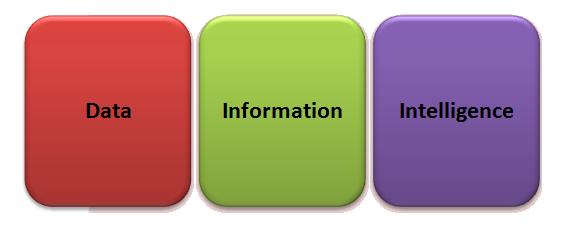
    We live in a world driven by hyper-competition where the supply of businesses exceeds the demand. In order for an organisation to survive in such an aggressively competitive environment, a better understanding of its competition and competitive forces that affect its success is required. Companies should know how to remain competitive and how to anticipate and react to changes inside and outside of their industries. In order to manage such an achievement firms should have a process in place for turning data into actionable intelligence, from which strategic and tactical decisions can derive.

    Introduction

    Competitive Intelligence (CI) is often defined as knowledge and foreknowledge about the external operating environment of the organization. The purpose of CI is to facilitate proactive decision-making by producing the needed business information into actionable form and making it available at the right time. The orientation and utilization of CI is tactical and to some extent strategic.

    Strategic Intelligence is a type of Competitive Intelligence produced for strategic purposes. Customers of SI include individuals involved in strategic decision-making. From the process perspective, Strategic Intelligence can be seen as a part of Competitive Intelligence as it is also a systematic and continuous process with a purpose to facilitate decision-making with needed and timely intelligence input delivered in actionable form.

    the-process-of-intelligence

    Figure 1. The process of intelligence

    The major difference between SI and CI is that SI actions focus strictly on supporting strategic decision-making by monitoring aspects with strategic significance.

    Users of SI are primarily individuals involved in strategy development. Additionally, a SI time horizon is broad and the focus is on all significant events: past, present and future events. In short, Strategic Intelligence can be defined as:

    “A systematic and continuous process of producing needed intelligence of strategic value in an actionable form to facilitate long-term decision-making

  • New Advances in HIV Research

    New Advances in HIV Research

    Around the world, over 35 million people are living with HIV/AIDS, and over 2 million new cases are reported every year. All this for a disease that was only first discovered in 1981. (WHO, 2013) It’s clear that something needs to be done, and fortunately millions of dollars are being put into HIV research. The research being done can largely be broken up into three categories: prevention, treatment and cure.

    Here we take a look at the situation in Australia as well as some of the most promising advances in HIV research in each of these stages.

    HIV in Australia

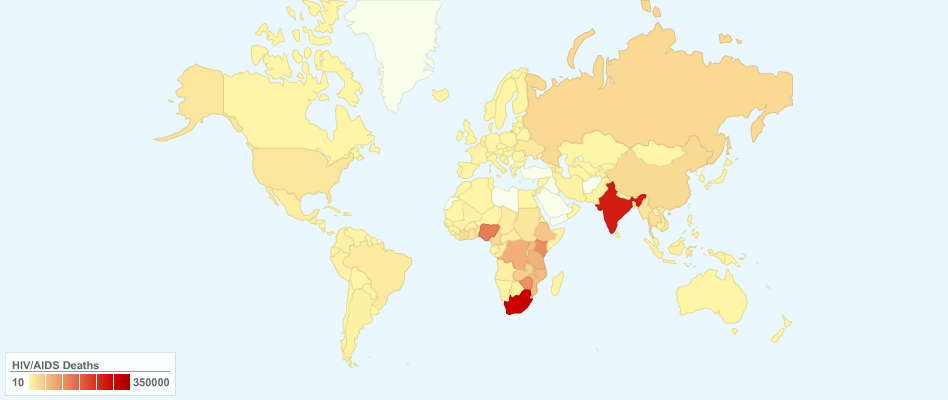
    Many people think that HIV/AIDs is something that only occurs in developing nations. While 95% of cases do occur in low and middle income countries (AIDS, 2014), at the end of 2010 over 21,000 people were diagnosed as HIV positive in Australia and 6,787 had died as a result of an AIDs-related illness. (HIV Test Australia, 2014)

    People Living with HIV/AIDS by Country
    People Living with HIV/AIDS by Country

    Research into HIV/AIDs in Australia has been strong since 1980. The most prominent research organisation is the Kirby Institute at the University of New South Wales. The highly regarded institute was one of the first to receive a grant from the Bill & Melinda Gates Foundation outside of the United States, and continues to do ground-breaking, world-class research.

    Prevention

    At the annual Conference on Retroviruses and Opportunistic Infections (CROI), held in Boston on 3-6 March 2014, there was a major focus on research into HIV prevention.  One presentation by the Microbicide Trials Network discussed the use of a vaginal ring that offered both anti-HIV and contraceptive properties. (MTN, 2014)

    Another interesting development that was announced in April 2014 was the use of Australian coral and bee venom as a potential HIV prevention treatment. The National Cancer Institute identified a protein located in Australian coral reefs that is capable of blocking the HIV virus from interfering with human T cells. (U.S. Finance Post, 2014)

    Treatment

    Unfortunately we’re not at the stage where prevention efforts are prevalent enough not to need to continue researching treatment methods. Finding treatments mean that people who are living with HIV can lead longer and more satisfying lives.

    One of the major breakthroughs this year for Australian HIV patients was the lifting of the PBS benefits restrictions for patients at the early stages of the disease. Since March 2014, people at any stage of the disease now have access to subsidised treatment. (NAPWA, 2014)

    In terms of research,  speakers at this year’s CROI emphasised that studies over the past three years had shown that antiretroviral drugs such as the commonly used tenofovir were definitely effective, but the problem lied in people not adhering to taking the drugs. The antiretroviral drugs must be taken for pre-exposure prophylaxis (PrEP), and are an essential part of treatment.

    This made it clear that adherence needed to be the focus of research. A drug called GSK-744LA has been shown to offer good HIV protection in monkeys, and is a long-term injectable that would mean PrEP would change from a daily pill to a three-monthly injection. The drug will soon be tested in humans. (Aidsmap, 2014)

    Cure

    Although prevention and treatment research is incredibly valuable and is helping to minimise the number of people who contract and die from HIV/AIDS, a cure is what everybody is hoping for. Fortunately, some very positive research has been conducted in recent years.

    South Australian researchers recently claimed they had developed a DNA vaccine that could potentially help cure HIV, as well as hepatitis C. Adelaide University’s Professor Eric Gowans, said that although DNA vaccines have been incredibly successful in small animals, they have had less success in large animals and humans – but things are improving. The DNA vaccines work by stimulating the body’s immune response and combining with the white blood cells to kill either HIV or hepatitis C cells. (ABC, 2014)

    Image Credit: NIAIDThiagarajan Vardharaju

  • The Science behind Architecture

    The Science behind Architecture

    Architecture, in various forms, dates back to early man. But it wasn’t until the late Renaissance period that modern architecture that we know today came about; when engineers, artists and architects separated and formal architecture training began in the 19th century. It became less focused purely on its artistic merit, and more on its quality and function.

    The Oxford Dictionary defines architecture as being: ‘the art and science of designing buildings and (some) nonbuilding structures’. (Shorter Oxford English Dictionary, 1993). And now, there is more science behind architecture than ever before – from earthquake and hurricane proof to advanced soundproofing and more, a building is no longer ‘just a building’, and the design needs to be more than just aesthetically pleasing – it needs to be functional too.

    Here, we take a look at some of the common problems faced by architects and the scientific developments that are used to overcome them.

    Sustainability

    The word sustainability has been a hot topic for several years now. Sustainable products are both environmentally friendly and more economical. From energy and transport to clothing and agriculture, engineers and scientists are constantly looking for ways to make things more eco-friendly and sustainable. Architecture is no different. There are several elements of building design and construction that can be more sustainable – including the materials used and machinery involved.

    In Australia, the Green Building Council of Australia gives green ratings to new buildings, based on the environmental impact that they have. Launched in 2002, the not-for-profit Green Building Council aims to help promote more sustainable and green property developments, such as those advocated by Dion Seminara, who is looking to promote what he calls ‘intelligent architecture’.

    The Queensland homes offered many advantages, particularly in terms of lower running costs for heating and cooling. The architectural design responded directly to the local climate using simple materials to create comfortable homes.

  • Market Research: Science vs. Art

    Market Research: Science vs. Art

    Market research – it’s the essential step that every business needs to take to maximise their chance of success. It’s a hugely complex study area, and market research companies are constantly trying to find new ways to get the best results. From online and field surveys to panel interviews and product testing, there are hundreds of ways to gather information about the market place.

    Naturally, there is a lot of science behind this research. With billions of dollars invested by businesses into market research, it’s essential that there is some science to back it up. But increasingly, art and creativity is playing a more prominent role.

    What is market research?

    Market research in itself is a science. At its core, it is about collecting qualitative and quantitative data about customers and the target markets of a particular product or service. The key purpose of market research is to ensure a business or product stays ahead of its competition. The goal once the data is collected is to analyse, interpret and assess what the market wants and needs; it also looks at competition and the size of the need. Using this assessment, businesses can work out how best to market their product. (Small Business Development Corporation, 2014)

    Despite the overall purpose of market research being quite simple, there is not just one way to achieve the end result. In the era of the internet, businesses are becoming more competitive than ever before – and at a much faster rate. Market research needs to be more innovative and creative to stay ahead.

    Psychology and market research

    Many of the world’s largest market research company hire psychologists to develop and analyse market research plans. Qualified consumer psychologists specifically look at the behaviours of shoppers and try to work out why they are making the decisions that they do.

    Psychologists are the perfect fit for market research, says psychologist Graham Chant. “Psychology training is extremely useful in market research. In fact, it could be argued that it is one of the few areas that make use of the board range of psychology skills,

  • Common Myths and Truths About Food

    Common Myths and Truths About Food

    It seems that a new study or experiment comes out on a weekly basis, claiming to expose a common food ingredient or simply to support a new fad diet. How do you if the claims are true, or if you’re being fed myths?

    It all comes down to due diligence. When you hear the latest claim, check out the scientific basis of the study and who was behind it. If McDonald’s comes out with a study that proves eating burgers all day is good for you, you may want to approach with a little caution.

    The following claims are some of the most common, with some having just hit the scene while others have been around for what seems like centuries. Each can either be debunked or proven with just a little bit of research – check out the results below.

    Claim: Carrots Improve Your Eyesight
    Reality: Myth (At Least in the Way You Think)

    This is probably one of the most widely believed myths out there. It’s rare to find a child who wasn’t encouraged to eat their carrots while at the dinner table, with improved vision as the promise. Sadly, the dream of developing x-ray vision just like Superman simply never came true.

    It’s easy to see why this myth has endured. Carrots are packed with beta carotene (aka Vitamin A), which is known to improve overall eye health. However, having healthy eyes doesn’t translate to 20/20 vision.

    Carrots will improve your vision if you’re highly deficient of Vitamin A. And carrots aren’t the only vegetable that can help you boost your intake – broccoli, pumpkin, and most leafy greens can do the job equally well.

    Claim: Peanut Butter Makes You Fat
    Reality: Myth

    Dieters these days are so obsessed with numbers that they don’t look at ingredients. This has unfairly lumped peanut butters in the ‘it makes you fat’ camp. While it’s true that peanut butter contains fat, it’s also the case that it comes packed with the good kind of fat. Monounsaturated fat will actually help keep your heart healthy, as illustrated by Harvard Medical School.

    Not only that, peanut butter also delivers a range of other benefits. For instance, you can protect yourself from developing benign breast disease. You’re also less likely to develop type-2 diabetes. Just make sure you get the good kind– avoid added fat or sugar if you can.

    Claim: Aspartame Causes Cancer
    Reality: Myth

    Aspartame and other artificial sweeteners are found in most diet drinks – it’s likely that if you don’t for the full-sugar version, you’re ingesting a hefty dosage of aspartame instead. The debate on whether it causes healthy problems is one of the most controversial.

    The fact is that there is no conclusive evidence. Most studies conducted thus far have not shown any links between cancer and the artificial sweetener. Studies that purportedly do establish causation simply do not have a large enough data set or have other inconsistencies.

    So should we discard the warnings and continue drinking diet sodas? We wouldn’t advise it, especially if you’re consuming soft drinks in large quantities – overdoing anything is never a good thing.

    Claim: Eat Fish to Boost Your Brain
    Reality: Truth

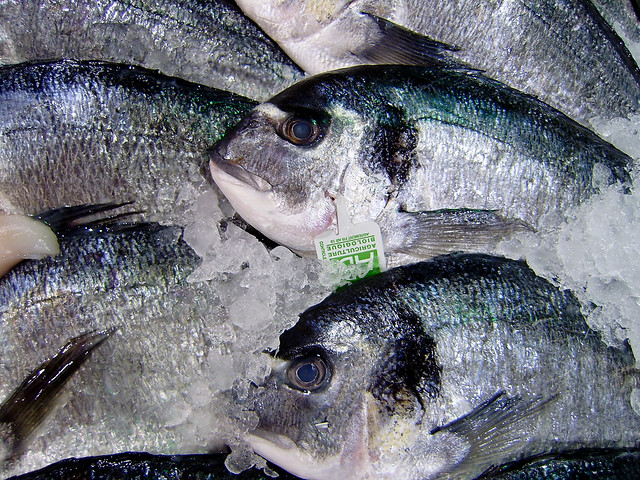
    Can fish really boost your brainpower? Yes, This is particularly applicable in those of us who are getting a bit long in the tooth. This study from Chicago’s Rush University Medical Center highlights the abundance of links between cognitive performance and the regular consumption of fish, including a 60% risk reduction of developing Alzheimer’s disease.

    So if you’re suspecting your brain of feeling the knocks of old age, try and add fish to your diet. Once a week is enough to make a difference. Considering the overall benefits of fish anyway, there’s no reason not to include it in your menu.

    Research Your Food

    Before you take our claims and run with them, do your own research and verify the studies yourself. It’s all about knowing what you’re adding to your diet and being aware of the benefits and downsides of a particular food item. Don’t believe hype or unfounded claims – always look for the numbers and the scientific proof before buying into the next fad.

  • Alternative therapies – the facts

    Alternative therapies – the facts

    People have been using alternative therapies for thousands of years, long before scientific-based medicine became the norm. Defined as any form of medical treatment not covered by top medical school courses, alternative therapies come under many guises, from acupuncture and chiropractic to homeopathy and naturopathy.

    Many people will only use alternative therapies whereas others believe in a complementary approach, whereby elements of conventional and alternative therapies are used to get the desired result.

    Are alternative therapies a safe and effective choice? Here are the facts.

    Types of alternative therapies

    There are dozens of types of alternative therapies, which range from practitioner-based to therapies that can be completed in the home. Many of these therapies are closely aligned with each other, whereas others have very different thoughts and methods of diagnosis and treatment.

    Some of the more common types of therapies used in the developed world, as listed by the National Centre for Complementary and Alternative Medicines, include acupuncture, hypnosis, diet-based therapies (e.g. Atkins diet, South Beach diet), massage, meditation, naturopathy, yoga, chiropractic and energy healing therapy.

    Alternative therapies today

    In an American study, the 2007 National Health Interview Survey, it was found that 38 per cent of adults and 12 per cent of children had used some form of complementary or alternative therapy in the 12 months prior to the survey.

    Additionally, the survey found that Americans had spent $33.9 billion on alternative therapy services and products. As an increasing amount of funding is put into researching the benefits of alternative therapies, more people, including medical doctors, are taking it seriously.

    As an example of the effects that research can have on the uptake of an alternative medicine in the general public, in 2002 the most commonly used natural product was echinacea. By 2007, echinacea had dropped to third place and omega 3 fish oil use had drastically increased. This came after several positive studies proved the benefits of fish oil and the mainstream media jumped on it (NCCAM, 2008).

    What can alternative therapies help with

    Alternative therapies can offer relief from a wide range of health problems, and can also assist in the prevention of illness. While many of the types of alternative therapies can offer a very broad spectrum of health benefits (e.g. naturopathy), others are much more specific (e.g. chiropractic for spine-related pain relief)

    The most commonly used alternative therapies are used to treat back and neck pain, largely through the use of a chiropractor. Arthritis, anxiety, insomnia and head or chest colds are also on the list of commonly treated illnesses. (NCCAM, 2008).

    Scientific evidence

    The main problem that has always inhibited the large-scale uptake of alternative therapies is the lack and quality of scientific evidence. Instead, a lot of the claims made by providers of services and products are anecdotal.

    The popularity of alternative therapies in recent years has demanded for a more serious, scientific look into their benefits. In a positive move for the industry, the National Centre for Contemporary and Alternative Medicines (NCCAM) was established in 1999 to help fund detailed scientific-based research into the safety and efficacy of alternative and complementary therapies.

    Since then, a range of therapies have been endorsed and scientifically proven. For example, several studies into the benefits of chiropractic therapy found that spinal manipulation could provide mild-to-moderate relief from low-back pain and was proven to be as effective as conventional medical treatments (Rubinstein et al, 2011).

    Additionally, women are turning to acupuncture as a fertility and miscarriage prevention treatment, even more so now after scientific evidence has proven it helpful. Manheimer et al (2008) found that women who are using IVF treatment could benefit from the use of specialist fertility acupuncture.

    5 Quick facts about alternative therapies

    1. Between 60 and 80 per cent of the world’s population rely on alternative therapies as their primary choice of health care (World Health Organization, 2005)
    2. Almost 20 per cent of Fortune 500 companies offer alternative therapies as part of their health care packages for employees
    3. The National Institute of Health (NIH) currently invests about $40 million per year in complementary and alternative medicine related research (NCBI, 2012)
    4. Studies have shown that regular yoga practice can improve a variety of health problems including back pain, headaches and stress, as well as improve quality of life (Lipton, 2008)
    5. Omega 3 is the most commonly used natural product among adults in the United States, followed by glucosamine and echinacea (NCCAM, 2008)

    Additional Sources:
    http://www.sciencebasedmedicine.org/the-facts-of-the-alternative-medicine-industry/

    http://report.nih.gov/nihfactsheets/ViewFactSheet.aspx?csid=85

     

  • Advances in health technologies: Saunas

    Advances in health technologies: Saunas

    For many, saunas are the epitome of health and wellbeing luxury. Originating in Scandinavia, they are now a staple in day spas and gyms around the world.

    However, new health technologies are coming out all the time, many offering similar health benefits to saunas but often at inflated prices. The question is, are we better off sticking to the tried and tested benefits of saunas or should we be seeking out more advanced technologies? Here are the facts.

    Health benefits of saunas

    With a sauna’s dry heat reaching temperatures of around 80C, pushing skin temperature up to 40C within minutes, are these warm, cosy rooms actually good for you?

    Studies by naturopathic physician, Dr Walter Crinnion, showed that sauna-induced sweating can help to lower blood pressure and assist with a range of chronic and acute health problems.

    Sauna therapy for chronic heart failure

    Several researchers and health practitioners praise the benefits of sauna therapy for a range of health problems.

    A study by Takashi Ohori (2011) and colleagues found that repeated sauna use could help patients with chronic heart failure. Heart failure occurs when the heart can’t pump enough blood around the body, resulting in fatigue and shortness of breath. Saunas help to increase the heart’s ability to pump blood.

    Common cold prevention

    A study by Ernst et al (1990) found that regular sauna use could probably help reduce the prevalence of the common cold. Although the authors concluded that more research was necessary, it was a good step forward in potentially preventing the thousands of deaths that occur each year from the common cold, most of which are elderly patients.

    Weight loss

    There are varying opinions on the benefits of saunas for weight loss. Most people will lose approximately one pint of sweat during an average sauna session, which can give the illusion of almost immediate weight loss. However, this weight will go back on as soon as you consume any food or fluids (JAMA, 1981).

    However, it can cause weight loss in another way. When the body is exposed to high heats, it causes the pulse rate to increase by 30 per cent or more. This causes an increase in metabolism, resulting in more calories being burned per minute than if you were sitting in front of the television, for example (Harvard University, 2005).

    Your increased metabolic rate will also continue after the sauna should you then exercise, meaning a better result from a workout.

    Muscle pain relief

    When put in a warm environment, a body’s blood circulation is increased causing strained muscles to relax.  After a workout, the heat of a sauna can help relax muscles and prevent the buildup of lactic acid and potential strains.

    Flushes toxins

    Toxins can build up in our bodies over time and one of the best ways to remove them is through deep sweating. While normal sweating will contain almost only water, deep sweating, which can be achieved in a sauna, may allow the release of chemicals such as lead, copper, zinc, nickel and mercury. These toxins get into the skin just by being surrounded by our everyday environment.

    However, some argue that although you sweat a lot in a sauna, the toxins stay in the body. Professor Donald Smith from the University of California said that almost all toxins are excreted through urine and feces, and only 1 per cent through sweat (LA Times, 2008).

    Neck and head pain reduction

    New Zealand researchers found that saunas could help ease neck and head pain in chronic sufferers. The study, led by Dr Giresh Kanji, concluded that not only could sauna sessions minimise the intensity of a headache, but could shorten its duration too.

    In his analysis, Dr Kanji said that saunas could be more effective than painkillers as they helped to treat the cause of the pain rather than mask it.

    Additional Sources:

    http://www.finnleo.com/pages/health-and-wellness.aspx#q4

    http://www.globalhealingcenter.com/natural-health/7-dangers-of-the-sauna/

    http://informahealthcare.com/doi/abs/10.3109/07853899009148930

  • Manipulating Memory in the Hippocampus

    Manipulating Memory in the Hippocampus

    Modifying the levels of tomosyn protein in the hippocampus of mice, researchers noted over production of the protein led to a sharp decline in the ability to learn and memorize information.

    In the brain, cell-to-cell communication is dependent on neurotransmitters, chemicals that aid the transfer of information between neurons. Several proteins have the ability to modify the production of these chemicals by either increasing or decreasing their amount, or promoting or preventing their secretion. One example is tomosyn, which hinders the secretion of neurotransmitters in abnormal amounts.

    Dr. Boaz Barak of Tel Aviv University’s Sagol School of Neuroscience, in collaboration with Prof. Uri Ashery, used a method for modifying the levels of this protein in the mouse hippocampus — the region of the brain associated with learning and memory. It had a significant impact on the brain’s activity: Over-production of the protein led to a sharp decline in the ability to learn and memorize information, the researchers reported in the journal NeuroMolecular Medicine.

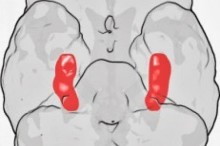
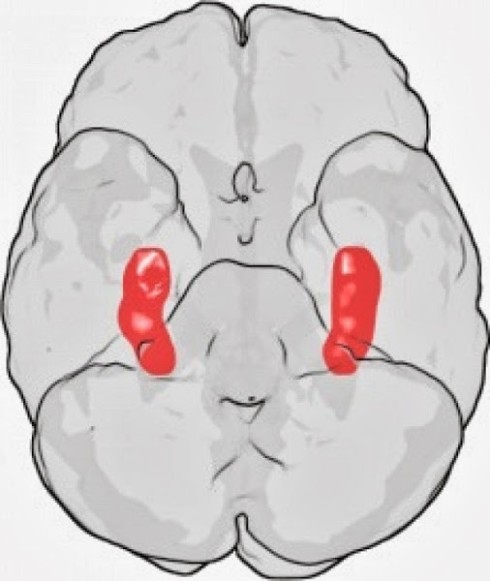
    Researchers created a virus which produces the tomosyn protein; a protein which hinders the secretion of neurotransmitters in abnormal amounts. Injecting the virus into the hippocampus region in mice,  researchers performed a series of behavioral tests designed to measure memory, cognitive ability and motor skills. The image shows the location of the hippocampi in the brain.
    Researchers created a virus which produces the tomosyn protein; a protein which hinders the secretion of neurotransmitters in abnormal amounts. Injecting the virus into the hippocampus region in mice, researchers performed a series of behavioral tests designed to measure memory, cognitive ability and motor skills. The image shows the location of the hippocampi in the brain.

    “This study demonstrates that it is possible to manipulate various processes and neural circuits in the brain,

  • Weekly Science Picks

    Weekly Science Picks

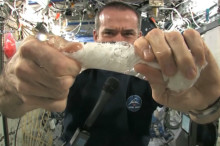
    At the top of my list this week would have to be the ISS Commander Chris Hadfield from Canadian Space Agency wringing out a wet towel in zero gravity. If you haven’t watched it yet. Do it now.

    The explanation behind what happens is more in depth than “magic”. Cmdr Hadfield is right when he mentions surface tension of water. Though it doesn’t explain the chemistry and physics of what is happening and also why he wasn’t worried about the exposed electronics in the ISS. I have to admit I was worried about droplets of water travelling out and into the wiring because water molecules are attracted to one another due to its molecular structure. I should have realised this being a chemist and all.

    The arrangement of oxygen and hydrogen of water results in a slightly positively charged area and a negatively charged area so water molecules arrange themselves where opposites attract. This even holds in zero gravity.

    What I especially like about Cmdr Hadfield is that he includes people on Earth in his daily routine on the ISS. He replies to people’s tweets. I personally got a kick when he retweeted one of my tweets. Real time communication with an astronaut on the ISS. That’s awesome. He also includes school students allowing them to ask him questions. If you’re on Twitter and he isn’t someone you’re following, go find him at @Cmdr_Hadfield.

    At the end of this week, a news story broke of how radioactive bacteria could potentially used to treat metastatic pancreatic cancer, that is where the cancer has spread to other parts of the body. The bacteria used was Listeria monocytogenes which is a member of a bacterial family that can cause serious infections and health complications. The good news though is that immune system normally gets rid of Listeria.

    One reason why tumours grow is that they suppress the immune system so scientists thought to exploit this hoping that introduced Listeria would concentrate in tumour sites and deliver targeted radiotherapy. They introduced Listeria bacteria dosed with radioisotopes in mice with pancreatic cancer.

    The results are really promising. The mice that received this treatment had 90% fewer cancer tumours in other areas of the body than those who had received radiotherapy and saline. The original cancer in the pancreas though was unaffected. It’s early days and it’s a long way from human trials. There is still the need to explain what was observed in this trial and what remains unknown is the effect of radiation on healthy organs.

    Pancreatic cancer is the 6th highest cause of death for all cancer types in Australia, and only about 6% of people with this cancer survive 5 years after diagnosis compared to a 5-year survival of 88% for breast cancer, 93% for thyroid cancer and 19% for lung cancer. Currently there are very few treatment options available.

  • The Oldest Fossils in the World

    The Oldest Fossils in the World

    Life has existed on planet Earth for a long time. Precisely how long, however, is a question which many are still searching for an answer to. The most recently discovered piece in that puzzle may put us another step closer to finally answering that. Discovered in Pilbara, Western Australia, are what are quite probably the oldest fossils discovered on Earth so far!

    At approximately 3.49 billion years old, these fossils come from a time long before complex organisms like us existed. Before evolution forged living things into the structures we recognise around us today, and before distinctions like “plant” and “animal” had even been drawn, our world was populated by bacteria and other single celled life. In fact, on a cosmological timescale, this wasn’t long after our planet had formed.

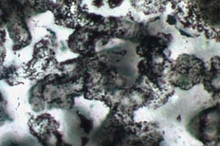
    Being left by bacteria, these fossils appear as little more than patterns left behind in sandstone, but after careful analysis they’ve been found to very definitely be fossils and not simply mineral formations. Discovered in some of the best preserved sedimentary rocks on Earth, at Strelley Pool in Pilbara, these fossils offer a fascinating glimpse at some of the oldest known life on Earth. Excitingly, as well as the discovery of this life, these is some evidence that it may have had some organisation to it as well.

    Found preserved in quartz sand grains, the fossils show several cell-like structures all of a similar size, much like bacterial colonies still found on Earth today. The age of these fossils can also be estimated with some precision, due to the rocks in which they were found. These particular rocks were formed between two volcanic successions, which means that their age can be determined down to a few tens of millions of years!

    Interestingly enough, any life this old would have been living without any oxygen – oxygen wasn’t abundant in Earth’s atmosphere until around 2.4 billion years ago. It’s quite likely then, that these bacteria had a metabolism based around sulfur, just like bacteria found in marshes and other oxygen-poor environments in the world today.

    The most exciting implications behind this find are those for life on other planets. If life could form so soon on planet Earth, it means that life might well have existed on other planets in the solar system too. Venus before it developed its hellish greenhouse effect and Mars before it lost all of its water, may have been home to similar primitive life. While few are hopeful of finding life on our neighbouring planets today, it still gives hope of discovering fossils as we continue to explore them. For astrobiologists hoping to find life on planets outside our solar system, it means that where life develops, it may occur quite soon after planets form.

    Some of the oldest rocks on Earth

    Image credits: Top – D. Wacey/UWA, Bottom – Abigail Ailwood

  • Remembering to forget

    Remembering to forget

    Memories influence our behaviour for better or worse. A traumatic incident, experienced once, can darken our lives for ever more. Drug or alcohol addiction – driven by remembered rewards – can render the idea of “normal life

  • The Higgs: An Unexpected Boson

    The Higgs: An Unexpected Boson

    The interesting thing about research is that the most interesting results are always the ones which are unexpected. This is particularly true out in the frontiers of physics where, frequently, no one really knows quite what to expect. While news reporters were swift to leap to the conclusion that the Higgs boson had been discovered back in July, the scientists at the CERN press conference were noticeably hesitant to make any such claims outright. Interestingly, it seems that they were wise to do so – in light of the more recent findings, their apprehension has been proven to be well advised. Simply but confusingly, the CERN experiments seem to have yielded two bosons for the price of one.

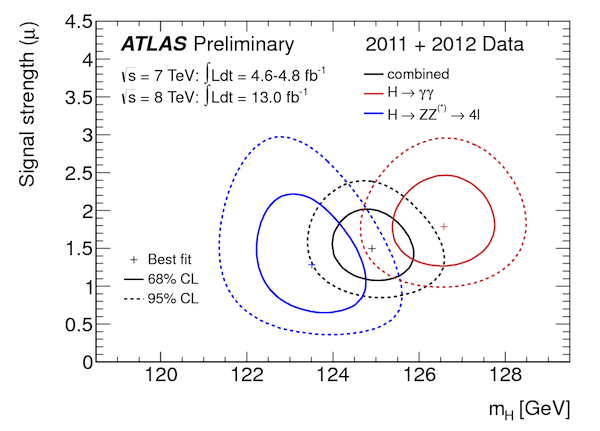
    A huge experiment like any of those taking place at the Large Hadron Collider (LHC) collects a lot of data, and believe me when I say that analysing and interpreting the data you can collect from any experiment is not an easy task. A lot of effort needs to be made in order to make sure you understand everything you’re seeing. Back in July, there were a few obvious things which were uncertain. For one, the “Higgs-like particles” observed at CERN appeared to be breaking up and decaying into photons more rapidly than predicted. This was the first clue that something unexpected was going on with the LHC data. However, on closer inspection, the results were so unexpected that there was thought to be a fault with the equipment. Everyone was hoping to find a peak for the Higgs boson, but no one expected there to be two! With one signal detected at 123.5 GeV and a second at 126.6 GeV, there’s a statistically significant difference of 3.1 GeV between the two. While the data have been checked and re-checked throughout November, they appear to be perfectly sound. As far as anyone can tell, these are two genuine detections of two particles.

    An unexpected boson?

    What exactly this means is very much an open question. Assuming these data are correct, aren’t any existing theories which explain why there would be two Higgs-like signals so close together. Some hypotheses predict multiple Higgs bosons, but none predict them to be so close together. What’s more, these two particles seem to fragment into different products – the 123.5 GeV particle decays into two Z-particles (a different, more familiar variety of boson), while the 126.6 GeV particle decays into photons. So what’s going on?

    Physicists are interesting folk, and I’m sure some would be fascinated if this turned out to be something new. Fabiola Gianotti, director of the ATLAS experiment at CERN has appeared noticeably excited before by the prospect of new and unknown physics being discovered. However, the other thing about physicists is that by their nature, they need to be highly skeptical, particularly when it comes to their own work. Adam Falkowski, a Paris-based particle physicist, states what most researchers are probably thinking on his blog Résonaances – that the result is most likely due to a “a systematic problem”. In other words, a problem in the apparatus such as a poorly calibrated detector. To date, there is no explanation from CERN for the unusual data. So is it a glitch, or could there really be two particles being detected here?

    Whatever is being seen here, it certainly appears to be at least subtly different to what the theories predict. Even if the second detection turns out to be a fault in the detectors at CERN, the fact that the original detection appeared to decay into photons more readily than it should is still unusual – though as noted by Matt Strassler in his blog, Of Particular Significance, “the excess is still not yet 3 standard deviations. Deviations of this size do come and go.  And we don’t have confirmation from CMS.  So the situation remains tantalizing but unfortunately not yet very convincing.” Right now, we still need to wait for official confirmation from CERN. Personally, I suspect that isn’t likely to happen until they know more about it themselves. A further announcement is currently scheduled for March 2013.