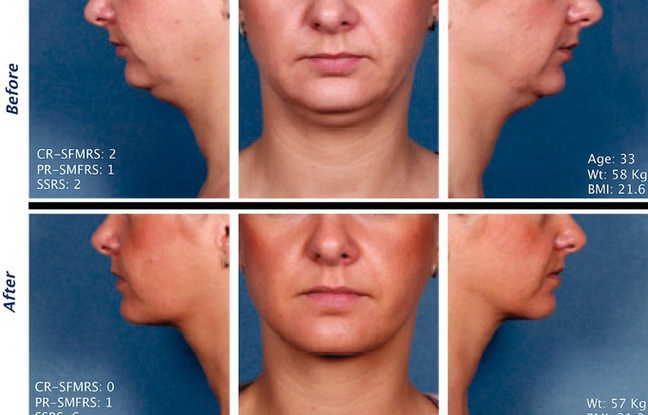
For many of us, trying to hide our double chin – perhaps under a scarf or turtleneck – is a daily battle. It’s a major cause of embarrassment for thousands of affected Australians, and is usually caused by obesity or other natural effects of aging. A double chin is actually just an extra layer of submental fat that forms around the neck and can sometimes sag, creating the impression of a second chin. Up until now, surgery was the only way to remove it.
However, there is now a surgery-free way to remove the dreaded double chin thanks to a recently FDA-approved drug called Kybella (or deoxycholic acid). Approved as a treatment for adults with moderate-to-severe submental fat below the chin, Kybella is an injectable drug that works by helping the body absorb fatty tissue. In essence, the drug dissolves the submental fat under the chin by destroying the fat cell’s membrane, causing it to burst. The remains of the cell are then reabsorbed by the body’s normal metabolic pathways.
According to the results of numerous clinical trials, injecting Kybella into the affected area can produce a noticeable reduction in submental fat in just 6 months. Patients can receive up to 50 injections in a single treatment (which usually lasts around 5 minutes), and sessions must be spaced at least 1 month apart for best results. No bandages are required, and recovery time is between 2 and 3 days.
There are some side-effects, however, that patients need to be made aware of before embarking on this journey. The most common side-effects reported in clinical trials were swelling, bruising, pain, numbness, redness and areas of hardness around the treatment area. However, most of these should disappear within a few days after treatment.
It’s important to understand that Kybella can also cause far more serious side-effects, such as possible nerve damage in the jaw. Although these side-effects are much less common, some patients have reported uneven smiles, weak facial muscles, and even trouble swallowing after receiving treatment. Indeed, according to Amy G. Egan of the FDA’s Center for Drug Evaluation and Research, “Treatment with Kybella should only be provided by a licensed health care professional, and patients should fully understand the risks associated with use of the drug before considering treatment.
It seems that a new study or experiment comes out on a weekly basis, claiming to expose a common food ingredient or simply to support a new fad diet. How do you if the claims are true, or if you’re being fed myths?
It all comes down to due diligence. When you hear the latest claim, check out the scientific basis of the study and who was behind it. If McDonald’s comes out with a study that proves eating burgers all day is good for you, you may want to approach with a little caution.
The following claims are some of the most common, with some having just hit the scene while others have been around for what seems like centuries. Each can either be debunked or proven with just a little bit of research – check out the results below.
Claim: Carrots Improve Your Eyesight
Reality: Myth (At Least in the Way You Think)
This is probably one of the most widely believed myths out there. It’s rare to find a child who wasn’t encouraged to eat their carrots while at the dinner table, with improved vision as the promise. Sadly, the dream of developing x-ray vision just like Superman simply never came true.
It’s easy to see why this myth has endured. Carrots are packed with beta carotene (aka Vitamin A), which is known to improve overall eye health. However, having healthy eyes doesn’t translate to 20/20 vision.
Carrots will improve your vision if you’re highly deficient of Vitamin A. And carrots aren’t the only vegetable that can help you boost your intake – broccoli, pumpkin, and most leafy greens can do the job equally well.
Claim: Peanut Butter Makes You Fat
Reality: Myth
Dieters these days are so obsessed with numbers that they don’t look at ingredients. This has unfairly lumped peanut butters in the ‘it makes you fat’ camp. While it’s true that peanut butter contains fat, it’s also the case that it comes packed with the good kind of fat. Monounsaturated fat will actually help keep your heart healthy, as illustrated by Harvard Medical School.
Aspartame and other artificial sweeteners are found in most diet drinks – it’s likely that if you don’t for the full-sugar version, you’re ingesting a hefty dosage of aspartame instead. The debate on whether it causes healthy problems is one of the most controversial.
The fact is that there is no conclusive evidence. Most studies conducted thus far have not shown any links between cancer and the artificial sweetener. Studies that purportedly do establish causation simply do not have a large enough data set or have other inconsistencies.
So should we discard the warnings and continue drinking diet sodas? We wouldn’t advise it, especially if you’re consuming soft drinks in large quantities – overdoing anything is never a good thing.
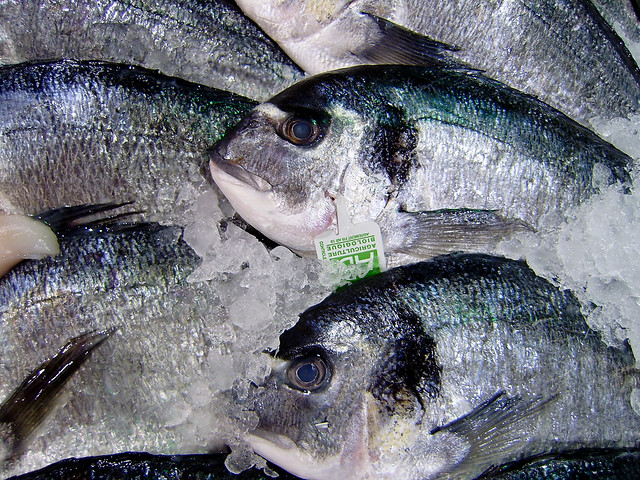
Claim: Eat Fish to Boost Your Brain
Reality: Truth
Can fish really boost your brainpower? Yes, This is particularly applicable in those of us who are getting a bit long in the tooth. This study from Chicago’s Rush University Medical Center highlights the abundance of links between cognitive performance and the regular consumption of fish, including a 60% risk reduction of developing Alzheimer’s disease.
So if you’re suspecting your brain of feeling the knocks of old age, try and add fish to your diet. Once a week is enough to make a difference. Considering the overall benefits of fish anyway, there’s no reason not to include it in your menu.
Research Your Food
Before you take our claims and run with them, do your own research and verify the studies yourself. It’s all about knowing what you’re adding to your diet and being aware of the benefits and downsides of a particular food item. Don’t believe hype or unfounded claims – always look for the numbers and the scientific proof before buying into the next fad.
People have been using alternative therapies for thousands of years, long before scientific-based medicine became the norm. Defined as any form of medical treatment not covered by top medical school courses, alternative therapies come under many guises, from acupuncture and chiropractic to homeopathy and naturopathy.
Many people will only use alternative therapies whereas others believe in a complementary approach, whereby elements of conventional and alternative therapies are used to get the desired result.
Are alternative therapies a safe and effective choice? Here are the facts.
Types of alternative therapies
There are dozens of types of alternative therapies, which range from practitioner-based to therapies that can be completed in the home. Many of these therapies are closely aligned with each other, whereas others have very different thoughts and methods of diagnosis and treatment.
Some of the more common types of therapies used in the developed world, as listed by the National Centre for Complementary and Alternative Medicines, include acupuncture, hypnosis, diet-based therapies (e.g. Atkins diet, South Beach diet), massage, meditation, naturopathy, yoga, chiropractic and energy healing therapy.
Alternative therapies today
In an American study, the 2007 National Health Interview Survey, it was found that 38 per cent of adults and 12 per cent of children had used some form of complementary or alternative therapy in the 12 months prior to the survey.
Additionally, the survey found that Americans had spent $33.9 billion on alternative therapy services and products. As an increasing amount of funding is put into researching the benefits of alternative therapies, more people, including medical doctors, are taking it seriously.
As an example of the effects that research can have on the uptake of an alternative medicine in the general public, in 2002 the most commonly used natural product was echinacea. By 2007, echinacea had dropped to third place and omega 3 fish oil use had drastically increased. This came after several positive studies proved the benefits of fish oil and the mainstream media jumped on it (NCCAM, 2008).
What can alternative therapies help with
Alternative therapies can offer relief from a wide range of health problems, and can also assist in the prevention of illness. While many of the types of alternative therapies can offer a very broad spectrum of health benefits (e.g. naturopathy), others are much more specific (e.g. chiropractic for spine-related pain relief)
The most commonly used alternative therapies are used to treat back and neck pain, largely through the use of a chiropractor. Arthritis, anxiety, insomnia and head or chest colds are also on the list of commonly treated illnesses. (NCCAM, 2008).
Scientific evidence
The main problem that has always inhibited the large-scale uptake of alternative therapies is the lack and quality of scientific evidence. Instead, a lot of the claims made by providers of services and products are anecdotal.
The popularity of alternative therapies in recent years has demanded for a more serious, scientific look into their benefits. In a positive move for the industry, the National Centre for Contemporary and Alternative Medicines (NCCAM) was established in 1999 to help fund detailed scientific-based research into the safety and efficacy of alternative and complementary therapies.
Since then, a range of therapies have been endorsed and scientifically proven. For example, several studies into the benefits of chiropractic therapy found that spinal manipulation could provide mild-to-moderate relief from low-back pain and was proven to be as effective as conventional medical treatments (Rubinstein et al, 2011).
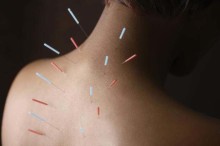
Additionally, women are turning to acupuncture as a fertility and miscarriage prevention treatment, even more so now after scientific evidence has proven it helpful. Manheimer et al (2008) found that women who are using IVF treatment could benefit from the use of specialist fertility acupuncture.
5 Quick facts about alternative therapies
Between 60 and 80 per cent of the world’s population rely on alternative therapies as their primary choice of health care (World Health Organization, 2005)
Almost 20 per cent of Fortune 500 companies offer alternative therapies as part of their health care packages for employees
The National Institute of Health (NIH) currently invests about $40 million per year in complementary and alternative medicine related research (NCBI, 2012)
Studies have shown that regular yoga practice can improve a variety of health problems including back pain, headaches and stress, as well as improve quality of life (Lipton, 2008)
Omega 3 is the most commonly used natural product among adults in the United States, followed by glucosamine and echinacea (NCCAM, 2008)
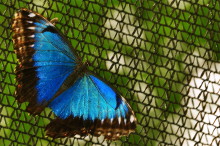
Morpho peleides is a tropical butterfly with a brilliant blue colour. Pilots flying over rainforests have been known to spot large collections of blue morphos above the treetops, warming themselves in the sunshine. The millions of tiny scales on its wings give it a shine and a glean that it uses to scare off predators. In the 115 days of its lifetime, the butterfly will need to fight off predators including birds — who are major predators of many insects including moths, crickets and cicadas. The blue tropical butterfly has ears which researchers believe it uses to avoid predation by birds.
Writing in the journal Biology Letters researchers provide evidence supporting the notion that the ears of an insect can function as “bird detectors
Russell Foster is a circadian neuroscientist: he studies sleep and its role in our lives, examining how our perception of light influences our sleep-wake rhythms. And he asks: What do we know about sleep? Not a lot, it turns out, for something we do with one-third of our lives. In this talk, Foster shares three popular theories about why we sleep, busts some myths about how much sleep we need at different ages — and hints at some bold new uses of sleep as a predictor of mental health.
Russell Foster studies sleep and its role in our lives, examining how our perception of light influences our sleep-wake rhythms. He and his team at the University of Oxford are exploring a third kind of photoreceptor in the eye: not a rod or a cone but a photosensitive retinal ganglion cell (pRGC) that detects light/dark and feeds that information to the circadian system. As Foster explains: “Embedded within our genes, and almost all life on Earth, are the instructions for a biological clock that marks the passage of approximately 24 hours.” Light and dark help us synchronize this inner clock with the outside world.
The research on light perception hits home as we age — faced with fading vision, we also risk disrupted sleep cycles, which have very serious consequences, including lack of concentration, depression and cognitive decline. The more we learn about how our eyes and bodies create our sleep cycles, the more seriously we can begin to take sleep as a therapy.
Student life can be a bit of a struggle – you are at your prime, young and energetic, and you need to balance studying, fun and work, all the while trying to make ends meet on an often limited budget. Be that as it may, Australia still has some of the best universities in the world, which offer great learning opportunities to their students. When it comes to science there are a lot of options to choose, but keeping in mind that students often have to make due on a tight budget I will look into some useful general textbooks that cover all the important basics and some cost-effective purchase options. These are all textbooks that offer great information on the core principles in their respective fields and can give students a very strong scientific foundation which they can expand upon as they progress in their studies. Within this article I am going to focus just on two science fields: Bioscience and Chemistry.
Biosciences Textbooks
Biosciences are particularly interesting scientific branches that offer deeper insights into the way we are built, how our bodies work and how our body chemistry can be manipulated to improve health and fight disease. They also offer great career opportunities. Some great bioscience textbooks include:
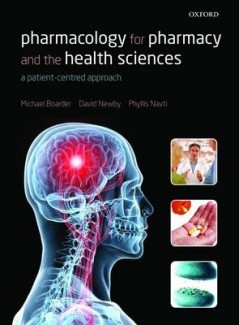
Pharmacology for Pharmacy and the Health Sciences – a great choice for those that want to learn about the clinical use of drugs and their effects on the human body on a cellular level. This textbook can help you built a solid knowledge base in pharmacology.
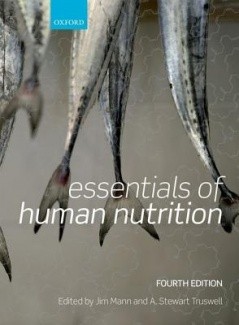
Essentials of Human Nutrition – a good overall choice for those who wish to familiarize themselves with the field of nutrition. The textbook gives a broad overview of the field.
Chemistry for the Biosciences – an overview of the core concepts of chemistry and how they affect the biological world. The textbook contains numerous analogies and real world examples which help those studying biological and biomedical science get a good understanding of this crucial information and allow them to later build upon this knowledge.
Chemistry Textbooks
Chemistry is an integral part of our daily lives and even laymen will cross paths with some of its laws during simple daily tasks. Some great textbooks every chemistry student should have by his or her side include:
Inorganic Chemistry, Sixth Edition – a comprehensive and easy to read textbook that covers all the fundamental principles as well as practical applications.
Organic Chemistry: a mechanistic approach – this textbook provides a great insight into the nature of organic compounds and their reactions and serves as an introduction into more complex subjects and deeper research.
Atkins’ Physical Chemistry, Tenth Edition – an easy to read textbook that will allow you to quickly find all the information you need on physical chemistry. It contains information on areas such as thermodynamics, quantum theory, molecular structure and chemical kinetics.
Many of these books you can find online and the best thing is that you can actually get used textbooks from older students, or you can get eBook versions which are significantly cheaper or you can even rent textbooks for a limited time, e.g. for a month when preparing an exam.
All in all, these textbooks will provide you with enough material to develop a strong understanding of the basic scientific principles that you will need to call upon many times during your studies.
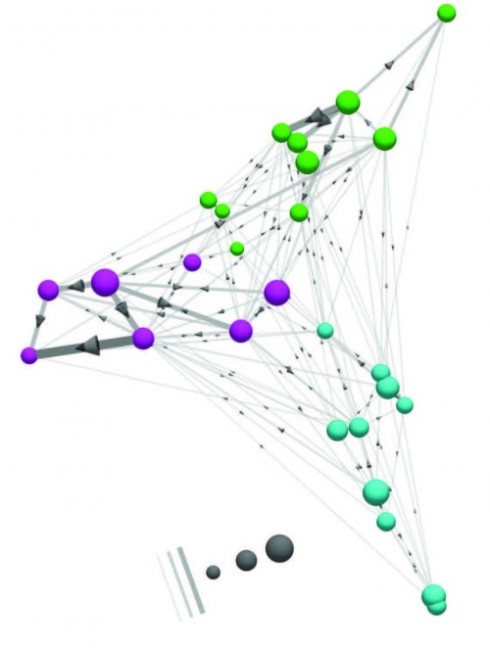
Connectomics as a 3D graph. Cell types with stronger connections are positioned closer to each other, using an algorithm. Three spatially segregated groups are observed that closely match the pathways identified through clustering (colouring of spheres). The dominant direction of signal flow is oriented into the page.
The human brain has 100 billion neurons, connected to each other in networks that allow us to interpret the world around us, plan for the future, and control our actions and movements. Mapping those networks, creating a wiring diagram of the brain could help scientists learn how we each become our unique selves. Understanding the brain and all its connections is Connectomics – a word soon to become as familiar as ‘genetics’.
In three papers appearing in Nature, scientists report their first step toward this goal: Firstly using a combination of human and artificial intelligence, they have mapped all the wiring among 950 neurons within a tiny patch of the mouse retina. While a second group look at a classic problem of neural computation – the detection of visual motion – in the eye of a fruitfly.
The eye of the mouse
The retina is technically part of the brain, as it is composed of neurons that process visual information. Neurons come in many types, and the retina is estimated to contain 50 to 100 types, but they’ve never been exhaustively characterised. Their connections are even less well known. Neurons in the retina are classified into five classes: photoreceptors, horizontal cells, bipolar cells, amacrine cells and ganglion cells. Within each class are many types, classified by shape and by the connections they make with other neurons.
In this study, the research team focused on a section of the retina known as the inner plexiform layer, which is one of several layers sandwiched between the photoreceptors, which receive visual input, and the ganglion cells, which relay visual information to the brain via the optic nerve. The neurons of the inner plexiform layer help to process visual information as it passes from the surface of the eye to the optic nerve.
By mapping all of the neurons in a 117-micrometre-by-80-micrometre patch of tissue, researchers were able to classify most of the neurons they found, based on their patterns of wiring. They also identified a new type of retinal cell that had not been seen before. To map all of the connections in this small patch of retina, the researchers first took electron micrographs of the targeted section generating high-resolution three-dimensional images of biological samples.
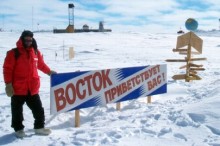
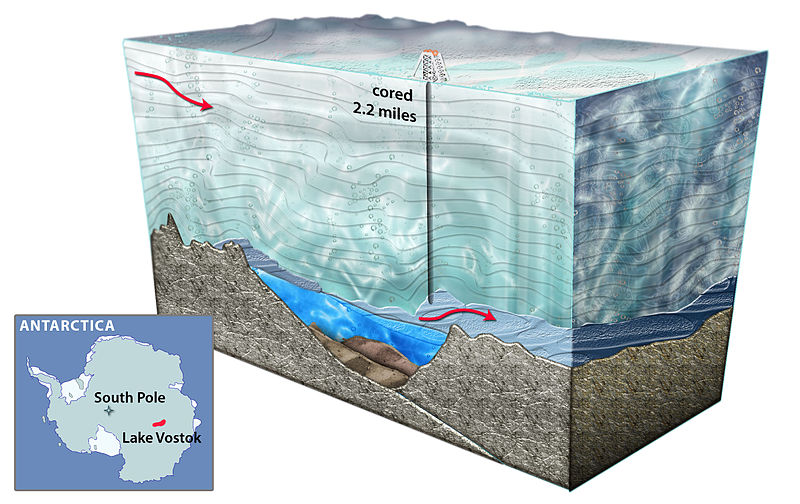
Imagine, Lake Vostok is covered by more than 3,700 metres of Antarctic ice. Devoid of sunlight, it lies far below sea level in a depression that formed 60 million years ago, when the continental plates shifted and cracked. Few nutrients are available. Yet scientist, led by Scott Rogers, a Bowling Green State University professor of biological sciences, have found a surprising variety of life forms living and reproducing in this extreme environment. A paper published June 26 in PLOS ONE details the thousands of species they identified through DNA and RNA sequencing.
What lies sealed beneath the glacial ice?
Antarctica, 35 million years ago, had a temperate climate and was inhabited by a diverse plants and animals. About 34 million years ago, a huge drop in temperature occurred and ice covered the lake, when it was probably still connected to the Southern Ocean. This lowered the sea level by about 100 metres, which could have cut off Lake Vostok from the ocean. The ice cover was intermittent until a second big plunge in temperature took place 14 million years ago, and sea level dropped even farther.
As the ice crept across the lake, it plunged the lake into total darkness and isolated it from the atmosphere, and led to increasing pressure in the lake from the weight of the glacier. While many species probably disappeared from the lake, as indicated by Rogers’ results, some seem to have survived.
Rogers and his colleagues examined core sections from the ice above Lake Vostok that were extracted in 1998. At the time, no one had reached the actual lake, a feat that was achieved only last year. But the drilling had gone deep enough to reach a layer of ice at the bottom of the sheet that formed as lake water froze onto the bottom of the glacier where it meets the lake. The team sampled cores from two areas of the lake, the southern main basin and near an embayment on the southwestern end of the lake. The embayment appears to contain much of the biological activity in the lake.
By sequencing the DNA and RNA from the ice samples, the team identified thousands of bacteria, including some that are commonly found in the digestive systems of fish, crustaceans and annelid worms, in addition to fungi and two species of archaea, or single-celled organisms that tend to live in extreme environments. Other species they identified are associated with habitats of lake or ocean sediments. Psychrophiles, or organisms that live in extreme cold, were found, along with heat-loving thermophiles, which suggests the presence of hydrothermal vents deep in the lake. Rogers said the presence of marine and freshwater species supports the hypothesis that the lake once was connected to the ocean, and that the freshwater was deposited in the lake by the overriding glacier.
These results, however, are not without controversy.
Other claims and other lakes
Long before he began using these techniques to study the ice, Rogers and his team had developed a method to ensure purity. Sections of core ice were immersed in a sodium hypochlorite (bleach) solution, then rinsed three times with sterile water, removing an outer layer. Under strict sterile conditions, the remaining core ice was then melted, filtered and refrozen.
Sergey Bulat has doubts about the results, despite the careful sample preparation. Bulat, a Lake Vostok expert at the Petersburg Nuclear Physics Institute in Gatchina, Russia, is quoted as saying, “that it is very probably that the samples are heavily contaminated with tissue and microbes from the outside world.”
Bulat and Rogers have both studied Vostok ice samples taken in the 1990s by a consortium of Russian, French and US Antarctic researchers. In the past, the pair pondered a close collaboration. But their scientific relationship broke over enduring disagreement about the level of contamination of samples.
In March, Bulat himself faced criticism over an unknown species of bacterium his team had discovered in a Lake Vostok ice core drilled last year. Sceptics said that this finding was due to contamination from drilling fluid.
The two researchers’ claims are probably the first in what will no doubt be an interesting period of discovery in Lake Vostok and other Antarctic lakes. The first samples of water from Lake Vostok itself, collected in early 2013 are currently being analysed. The Russian team has said that it hopes to have results within the next year. Bacteria, of known species, have been recovered from the smaller Antarctic Lakes, Whillans and Vida. Lake Vida has been sealed off for around 2,800 years. Ice cores drilled in 2005 and 2010 have recently revealed life, but at about one-tenth of the abundance usually found in freshwater lakes in moderate climate zones. Similarly in Lake Whillans the bacteria levels were roughly one-tenth the abundance of microbes in the oceans.
These results are glimpses into the the sub-glacial world of Antarctica. Glimpses that may change how we not only view this continent but also providing clues to how extra terrestrial life may exist on icy moons such as Jupiter’s Europa and Saturn’s Enceladus.
What exactly is a liquid? It’s a seemingly basic question with an answer which may seem obvious to any of us. But as with so many things in science, it may not be as straightforward as you think. Of course you know what a liquid is, and the answer which may have come to mind as you read this paragraph is most certainly the truth – but it may not be all of it.
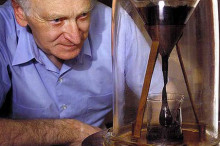
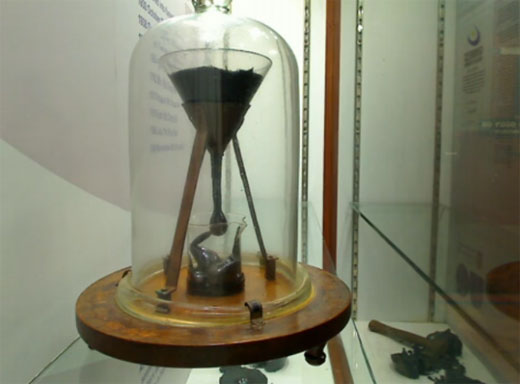
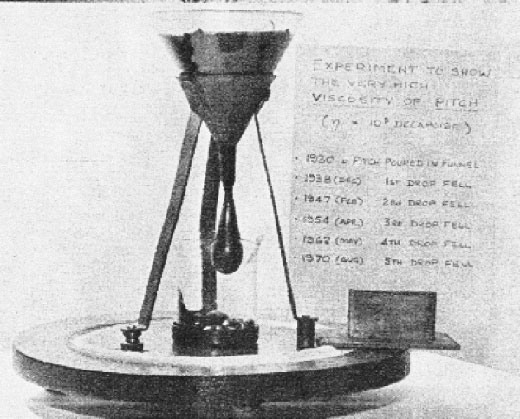
This curious looking setup is the pitch drop experiment. Some people reading this will undoubtedly know of it. Set up at the University of Queensland in 1927 by Professor Thomas Parnell, this experiment may take a few of your ideas about what a liquid actually is and turn them on their heads.
Pitch, you see, is a liquid. But if you were to see some of it up close, you might not think so. To our eyes and senses, it appears to be a solid. It’s a black, waxy looking substance, a derivative of tar which ship builders used to use to waterproof boats. You can think of it more or less like a liquid which moves in slow motion. Extremely slow motion! Pitch is so viscous and flows so slowly that you can quite easily pick up a piece of it and hold it in your hands. You can snap pieces of it off, and if you hit it with a hammer, it will even shatter. But make no mistake – pitch is not a solid.
Perhaps a better word to use here is not liquid, but “fluid.” A fluid is, simply, any substance which is able to flow. Everyday liquids like water are fluids, as are gasses like the air around us. So too are the thicker, more viscous liquids you may encounter, like treacle or tomato ketchup. But pitch is quite possibly the most viscous fluid in the whole world, an average 100 billion times as viscous as water.
Parnell’s pitch drop experiment, presently looked after by Professor John Mainstone, was set up to demonstrate this bizarre fact. In 1927, Parnell heated a sample of pitch and poured it into a sealed glass funnel. He gave the black tarry fluid three full years to “settle” before cutting open the stem of the funnel and leaving it to its own devices, kept in relatively inert conditions under a large glass bell jar. I say relatively inert. This experiment is really more of a demonstration, and how fast the pitch flows depends on the seasons – it moves ever so slightly faster in warm weather, though still never so fast as to be actually noticeable. In the 83 years since, this slow moving tarball is currently forming it’s ninth drop.
In material science terms, pitch is a “viscoelastic polymer”. You may be familiar with some other, similar liquids without realising it. There are, you see, a few materials which very slowly flow over time. The effect is so slow that it takes a significant fraction of your lifespan to notice any motion, but it is there. Certain types of varnish actually have similar, very slowly flowing properties, which can be a concern in the art world. Paintings are often handed down through generations, and anyone wishing to preserve them must be careful not to use varnishes which may slowly flow and spoil the artwork.
On the other hand, there’s a common misconception that glass flows this way. This is absolutely not true. Glass, you see, is not viscoelastic. It’s what’s termed, an “amorphous solid”. Amorphous materials have no order at the atomic level. Many plastics, like the type which makes up the bottles you may buy drinks in, are amorphous this way. If you were to look at a piece of glass on a very, very small scale, you’d find that it’s made up of a web of molecular chains, made from silicon and oxygen atoms. But amorphous solids are not fluid. You can leave a piece of glass alone for centuries, and it will not flow at all.
Actually, glass is quite a generic term, referring to a whole variety of materials. Any material which is rigid and brittle, with a disordered structure, is technically a glass. As well as the glass in windows, many types of plastic, such as polycarbonate and perspex, are technically glasses. Even metals can be made into a glass. If you shave, the razorblade you use is probably made from a glassy metal. Glasses can be pulled and stretched (this is one way in which fibre optics are made), but if you leave them alone, they’ll remain perfectly solid.
Viscoelastic polymers are not like glass. They may have a disordered structure, like a glass, but they behave rather differently, even though you may not realise this at first glance. The word viscoelastic itself, gives away what’s really going on. These materials are both viscous, and elastic. Being elastic, you can stretch them, and they will try to return to their original shape. Leave them alone, and they’ll behave like viscous liquids, and slowly flow. This is because unlike glasses, the molecular chains which make them up aren’t tightly interconnected. Instead, they’re a tangled mess, looking, if I’m honest, not unlike my hair does when I wake up some mornings. Because those chains aren’t joined together, they can slowly slip past each other, which is what gives these materials their fluid properties. Anyone who’s used gloss paint may have noticed how a surface which appears to be smooth will sometimes have visible drops running down it hours later, where the paint flowed before it had time to dry. Unlike pitch, however, most types of paint do eventually dry and harden. Viscoelastic materials, like amorphous materials, are also defined by how they behave at the molecular level – any material can only move as fast as its molecules allow. If you take a highly viscous fluid like pitch and try to move it too quickly, the molecular chains which make it up won’t be able to move fast enough, and it will simply snap. It’s only if you leave it alone for long enough, that you can see it’s fluid behaviour.
This is precisely what Parnell did with the pitch drop experiment all those years ago. To date, it’s already managed to prove his point. The pitch in that funnel, kept at Queensland University, is very definitely flowing just like a liquid. It’s just an excruciatingly slow liquid.
To date, no one has been around to actually witness a drop falling. I’ve no doubt, this must be very frustrating for people like John Mainstone (who actually missed one drop in 1988 because he’d just stepped out to get some coffee). So far, the pitch has dropped just over once a decade.If you’re feeling lucky, you can watch a live webcam feed at the Queensland University website, where three webcams now monitor it at all times. Though I should warn you that it’s possibly even less exciting than watching paint dry. Some are beginning to say that the ninth drop may fall soon. But then, they’ve already been saying that for years…
Laughing rats, name-calling wild parrots, archer-fish with a sense of humour, and educated ants; the naturalist Charles Darwin would have loved this book. The philosopher Rene Descartes would equally have found it deeply troubling. Both with good reason.
In Descartes’ dualist philosophy the mind and body are two separate entities. There is the material body and the immaterial mind or soul. The latter linking humans to the mind of God, making us, in his philosophy, different to animals. Descartes famously reasoned animals are composed only of material substances and therefore have no capacity to reason. More importantly for how we see animals, Descartes wrote that a human person, such as you or I, is something distinct from that person’s body. Therefore an animal, being material only, could in this way of thinking, never have a mind – never have a concept of “I”.
This stance was extended by the behaviorist paradigms of the mid 20th century associated with the psychologist B F Skinner.
Darwin on the other hand thought differently. He was a natural philosopher who got up out of his armchair and voyaged the world, most notably aboard the Beagle. Darwin attributed emotions to many animals and even argued that earthworms are cognitive beings. In his classic The Descent of Man he argued, most persuasively, that we and the other animals differ in our mental powers by degree, not in kind.
Today the discussion is no different, researchers still debate not only advanced claims of intelligence in animals but also how to test whether their abilities reflect human-like cognition.
This brings me to what I liked so much about this book.
Each chapter focuses on an animal in a particular observational or experimental setting. Virginia Morell introduces us to the scientist and the animals, explaining the studies, the results and some of the trials and triumphs along the way to building an understanding of what the scientists find. The animal and settings we may already have a prejudice about; captive dolphins, elephant memories, chimpanzees and language, dogs and humans, are very carefully presented to ensure that the most compelling results are well presented. The more novel animals, ants and fish for example, are also carefully presented, their novelty makes for an easier presentation. For example I had no preconceived ideas regarding the ability of ants to teach – with no mental hurdle of my to overcome – that chapter was very illuminating. The examples and researchers chosen for these chapters succinctly illustrate what we have learnt about the emotions and intelligence of these animals.
Yes I did say chosen. It does not pretend, nor claim to be, encyclopaedic, academic nor ‘balanced’ presentation of the entire field. This is a lively, non-fiction tour of the cutting edge of animal cognitive science. Virginia Morell translates the scientific jargon of the field into words that all can engage with.
Each chapter is a separate story, reflecting that some of the chapters were adapted from previously published articles from 2008 to 2012. These are neatly book-ended with chapter that frame these quite succinctly. This I think is a strength of the book. Each chapter, each story, is self-contained that you can read it, look at the references and ponder what the researchers and Virginia are conveying to you. Not only do you get an appreciation of the scientific significance of the various studies – you get that rare glimpse into the scientific process and personality that is often missed in science communication writing.
For example, consider the archer-fish and neuroscientist Stefan Schuster. I learnt that Stefan has spent more than forty years investigating how fish think and make decisions. I learnt that the idea of seeing life from the mind of a fish was something that grabbed him as a child. Stefan’s story is more than just his careful experimentation on fish behaviour. Along the way he has made key discoveries about the sophisticated mental abilities of the archer-fish. The archer-fish is well-named for it is the sharpshooter of the piscine world.
In the chapter discussing his work I learnt that Schuster owes his success to curiosity, fun and serendipity – as well as careful experimentation. Schuster and his students had discovered that archer-fish learnt how to shoot at difficult and novel targets by watching another skilled fish perform the task. That means they had taken the viewpoint of the other fish. Did they copy or imitate? Let the philosophers debate the definitions. What the archerfish do involves cognition. Although we don’t understand the relationship between cognition and sentience, scientists know that one informs the other.
Each chapter is replete with great stories, good science and probing philosophy. Morell displays her ability to write engagingly for a general audience, while presenting the science at a suitably intriguing level. If you view animals the same after reading this book – then give it a second read – it will be worth it.
I’ll leave the last words to the late Douglas Adams:
Man had always assumed that he was more intelligent than dolphins because he had achieved so much – the wheel, New York, wars and so on – while all the dolphins had ever done was muck about in the water having a good time. But conversely, the dolphins had always believed that they were far more intelligent than man – for precisely the same reasons.
When Russian geographer and Antarctic explorer Andrey Kapitsa travelled to Vostok Station in 1959 he was looking for evidence of a subglacial lake that was first proposed by Russian scientist Peter Kropotkin at the end of the 19th century. Whilst Kropotkin was not able to specify the location of subglacial lakes, he theorised that masses of fresh water could be trapped far below the Antarctic ice sheets. He believed that the massive pressure of thousands of meters of solid ice would mean that temperatures at the bottom of the ice sheet would be high enough to create isolated water lakes.
Lake Vostok (Image courtesy of the National Science Foundation)
During expeditions to the region around Vostok Station in 1959 and 1964 Kapitsa took numerous seismic readings of the thickness of the Antarctic ice sheet. When Kapitsa analysed his measurements he was able to confirm that he had found a subglacial lake – just as Kropotkin predicted.
It wasn’t until the 1970s that further tests were conducted on Lake Vostok. British scientists performed numerous tests including airborne ice-penetrating radar surveys over the site. Results confirmed the presence of a liquid, freshwater lake far below the icy surface. In the 1980s and 1990s subsequent studies confirmed the details of the lake and revealed that it was the largest of 140 known Antarctic subglacial lakes (about 400 subglacial lakes exist worldwide). Measurements showed that the lake was more than 250km long, 50 km wide, about 400m deep, and was submerged more than 4km under the surface. In 2005 it was discovered that Lake Vostok had a number of islands, and that it’s likely that Lake Vostok is connected to other Antarctic subglacial lakes by a series of subglacial rivers. Unfortunately, scientists are still unsure how water might travel between the lakes, however it appears that the water in Lake Vostok may have been trapped under the ice for 15 – 25 million years. Lake Vostok is interesting to astronomers and astrobiologists, who theorise that if life exists somewhere in the cold murky depths of the lake, then perhaps it could also survive in the cold icy moons of our outer solar system.
Since 1989 there have been various efforts to drill down into the lake to obtain samples to test for microbes. However, drilling Lake Vostok has proven to be a very difficult exercise due to the remote location, freezing temperatures (the coldest recorded temperatures on Earth were recorded at Lake Vostok at -89 degrees Celsius), and long dark winters that reduce drilling times. Samples were taken from an ice core that reached within 100m of the lake in 1998, 2011 and 2012 but these results were inconclusive.
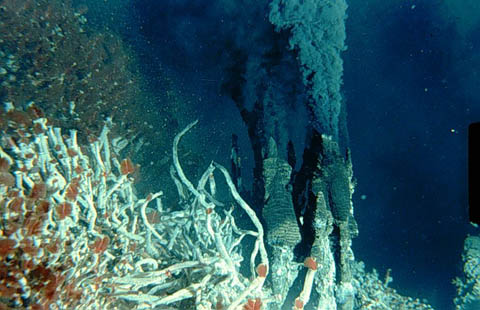
Black Smoker Hydrothermal Vent (Image Courtesy University of Victoria)
Recently researchers announced that they had penetrated the ‘surface’ of Lake Vostok and had analysed samples taken from the drill head in the borehole. Results indicated a type of bacteria that was ‘unknown’ – a result that initially excited scientists. However, the next day, it was announced that the bacteria in the sample was found to use kerosene as an energy source. This was problematic for the team, as they use significant amounts of kerosene and freon at the site to stabilise the borehole (54 tonnes over the last few years). This result pointed to a likely contamination of the sample. Researchers advised they would be conducting further tests in order to collect ‘clean’ samples.
So – why are we so interested in Lake Vostok?
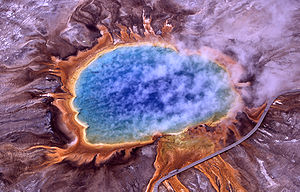
Until the mid 1980s we had a very narrow idea of where life could survive on our planet. We essentially applied the ‘Goldilocks’ theory; in order to foster ‘life’ the environment had to be not too hot, not too cold, must have water, sunlight etc… In the 1980s and 1990s, scientists discovered that microbial life has an amazing ability to survive in what we would consider extreme environments, niches that are blisteringly hot, dry, acidic, or even extremely cold. The discovery of these microbes, known as extremophiles has shown us that the boundaries of where life can exist, and even thrive are far wider than previously imagined. The image above shows a ‘black smoker’ hydrothermal vent – deep in the ocean spewing out water anywhere from 60 – 400 degrees Celsius. Typically these objects are surrounded by life forms, including Thermophiles, microbes that thrive in extremely hot temperatures. Until these deep sea hydrothermal vents were discovered in the early 1980’s we had no idea that life could survive, let alone thrive in such an inhospitable environment without sunlight and under such enormous pressure. The Grand Prismatic Spring in Yellowstone National Park in the U.S. is also home to various types of thermophiles, which thrive in the Grand Prismatic hot spring, despite it’s average 70 degree Celsius temperature.
Grand Prismatic Spring – Yellowstone National Park (Image courtesy of Wikimedia)
By looking at sites such as Lake Vostok we hope that we will discover something that will confirm our understanding of the boundaries for life or perhaps give us new information! We hope to find a new type of bacteria, similar perhaps to the psychrophile, or cryophile, extremophiles that can grow and reproduce in temperatures as low as -15 degrees Celsius. These organisms are currently found on Earth in small pockets of briny water surrounded by sea ice, alpine and arctic soils, deep ocean waters, glaciers and snowfields.
Although the Russians have been working on Lake Vostok for some time, they aren’t the only ones taking a good look at sub glacial lakes. Researchers from Britain and the U.S. are also working on Antarctic sites. The Americans have drilled more than 800m to reach Lake Whillans, whilst British researchers have stalled testing on Lake Ellsworth while they test new hot-water drilling methods.
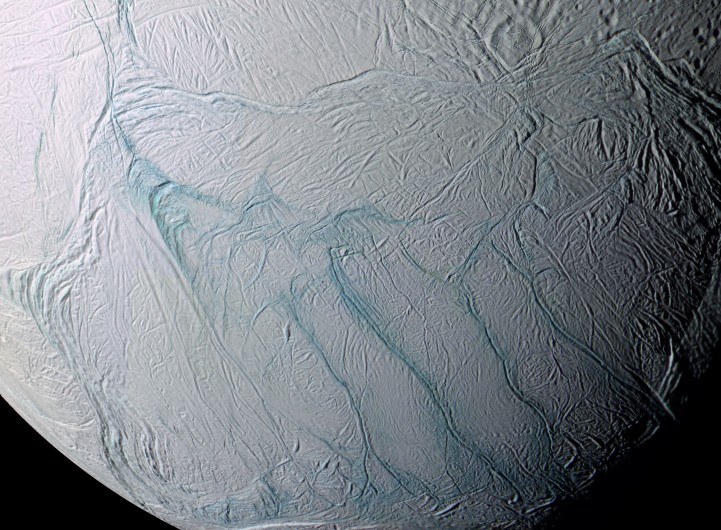
If we find microbes surviving in the waters of Lake Vostok, or another subglacial lake that has been subject to enormous pressure, freezing conditions, lack of sunlight – that suggests that life could exist on one of the icy moons of the solar system. With the knowledge gained from sites like Lake Vostok we can plan missions to the icy moons in search of life. Research has shown that subsurface oceans may exist on a number of solar system moons including Enceladus (Saturn), Titan (Saturn), Europa (Jupiter), and Triton (Neptune). Each of these moons may have an environment capable of harbouring life.
It just may not be life as we know it.
Enceladus and it’s ‘tiger stripes’ – an area near the south pole of the moon that may cover a sub surface ocean (Image courtesy of NASA)
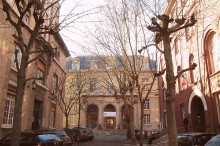
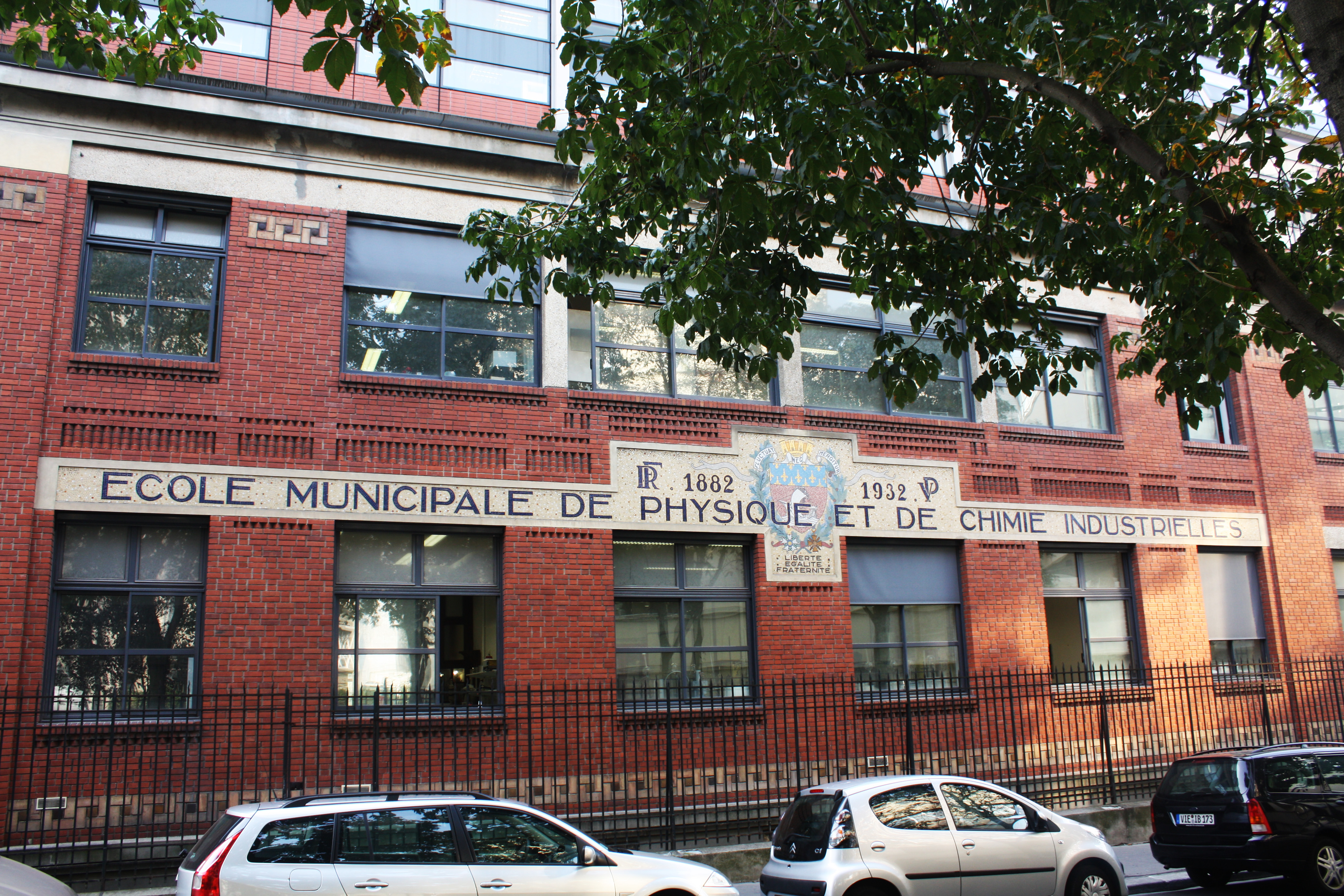
Last week, after I spent a couple of days in Brest, Brittany at a ESF, EU workshop/seminar brainstorming with other internet and scientific researchers on interesting topics related to internet science and innovation, I got myself back to Paris. I visited a French national institute with an international reputation for scientific excellence – ESPCI (École supérieure de physique et de chimie industrielles) and the CNRS department of Physics, Quantum Foundations – a group dedicated to research on quantum effects in materials. Also, I took the opportunity to meet up with two Australian Science writers who reside in Paris: Rayna, and Charles.
ESPCI Paris Tech stands for Physics and Chemistry Higher Educational Institution (a French “Grande École d’ingénieurs”). Founded in 1882, ESPCI is a major institution of higher education – an internationally renowned research center, gathering leading scientific innovatorslike Nobel Prize laureates Pierre and Marie Curie, Paul Langevin, Frédéric Joliot-Curie, Pierre-Gilles de Gennes, and Georges Charpak.
ESPCI ParisTech
At ESPCI, I met with Arjen Dijksman, a physicist and researcher interested in tiny semiconductive nanoparticles, known as “quantum dots
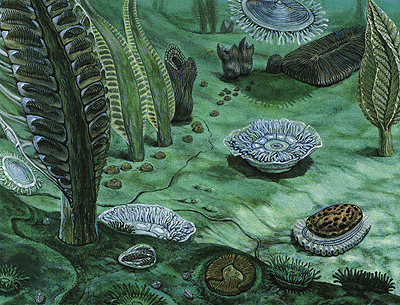
The Ediacara Hills, north of the city of Adelaide in South Australia are a tumbling mass of ancient rocks. Sunbaked now, 580 million years ago they were a sea alive with soft-bodied organisms. These organisms varied greatly: from millimetres to metres in size; from “blob-like” to intricate in complexity; and from sturdy and resistant to a jelly-soft rigidity. They are all prosaically named the Ediacaran biota. A mundane name for what are the earliest known multicellular organisms on Earth.
Turning over rocks and finding fossils
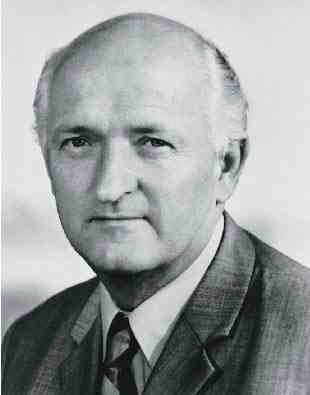
In 1946, an Australian mining geologist named Reginald Sprigg was inspecting abandoned mines the Ediacara Hills. These hills take their name from the aboriginal Idiyakra, “water is present”. Serendipitously, while eating his lunch, Sprigg found fossilized imprints of soft-bodied organisms on the undersides of slabs of quartzite and sandstone. Most were round, disc-shaped forms that Sprigg dubbed “medusoids” from their seeming similarity to jellyfish. Others, however, resembled worms, arthropods, or even stranger things; quilted mattresses and mud-filled bags.
Reginald Sprigg. Photo credit: Wiki commons.
Sprigg thought that these fossils were ancient and dating from the Cambrian era (541-485 million years ago). He submitted a paper to the journal Nature, but it was refused. Sprigg travelled to London and presented his findings to the 1948 International Geological Congress, but failed to excite either interest or belief.
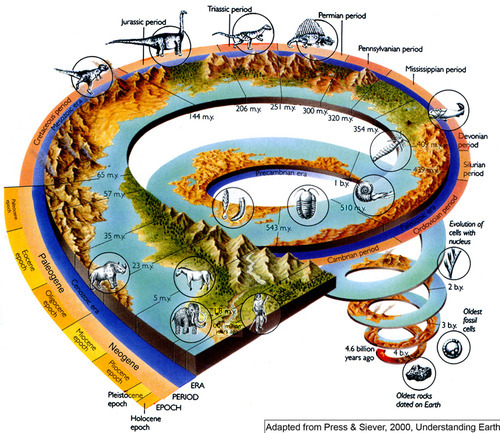
A time-coil of the Earth’s ages from formation to the present age. Adapted from Press and Siever (2000) Understanding the Earth.
These were not the first Precambrian soft-bodied fossils to be found and described — scattered reports of them had appeared in the scientific literature as far back as the mid-nineteenth century.
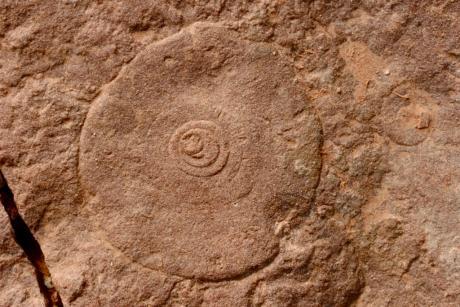
The first Ediacaran fossils discovered were the disc-shaped Aspidella terranovica in 1868. Their discoverer, Scottish geological surveyor Alexander Murray, found them to lay below the the Cambrian strata that were then thought to contain the very first signs of life. It took a further four years for anybody to dare propose they could be fossils. Elkanah Billings‘ 1872 proposal was dismissed by his peers on account of their simple form. They were instead declared gas escape structures, inorganic concretions, or even tricks played by a malicious God to promote unbelief.
Aspidella. Image source Wikipedia.
This one-sided debate soon fell into obscurity as no similar structures elsewhere in the world were then known. In 1933, Georg Gürich discovered specimens in Namibia. They were assigned to the Cambrian Period by the firm belief that life originated in the Cambrian, and no link to Aspidella was made.
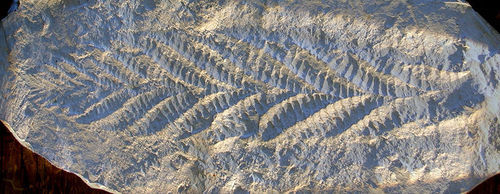
It was not until the 1957 British discovery of the frond-shaped fossil Charnia in England’s Charnwood Forest that the pre-Cambrian was seriously considered as containing life. Due to the detailed geological mapping of the British Geological Survey there was no doubt that these fossils sat in Precambrian rocks.
The iconic Ediacaran Charnia. Image source Wikipedia.
University of Adelaide palæontologist Martin Glaessner finally, in 1959, made the connection between this and the earlier finds. With a combination of improved dating of existing specimens and an injection of vigour into the search many more fossils were recognised.
The naming the “Ediacaran” period
Due to this punctuated discovery a plethora of different names existed for this pre-Cambrian period and its biota. In 1960 the French name “Ediacarien” was added to the competing terms “Sinian” and “Vendian” for late-Precambrian rocks, and these names were also applied to the life-forms. “Ediacaran” and “Ediacarian” were subsequently applied to the epoch or period of geological time and its corresponding rocks. In March 2004, the International Union of Geological Sciences ended the inconsistency by formally naming the terminal period of the Neoproterozoic after the Australian locality.
The rise of the soft-bodied Ediacaran
It took almost 4 billion years from the formation of the Earth for the Ediacaran organisms to first appear, 655 million years ago. Fossils of single-cell organisms are reported from an age 3,460 million years ago. The first uncontroversial evidence for life though is found 2,700 million years ago. Cells with nuclei certainly existed by 1,200 million years ago.
The reason why it took so long for forms with an Ediacaran grade of organisation to appear is uncertain. A primary size-limiting factor is the amount of atmospheric oxygen. With the low oxygen levels in the early Earth, as low as 0.1% of today’s levels, organisms had to be simple. The oxygen cannot reach the centre of a complex organism quickly enough to supply its metabolic demand. So without sufficient oxygen life could only be very simple.
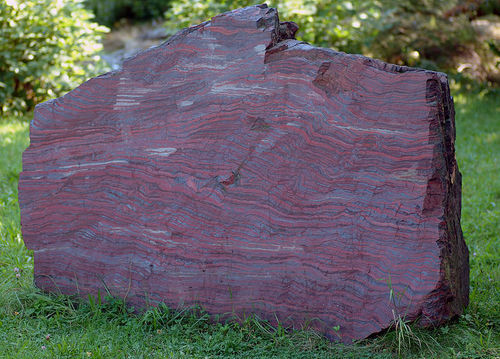
On the early Earth, reactive elements such as iron and uranium existed in a reduced form, which would react with any free oxygen produced by photosynthesising organisms. Oxygen would not be able to build up in the atmosphere until all the iron had rusted and other reactive elements had also been oxidised.
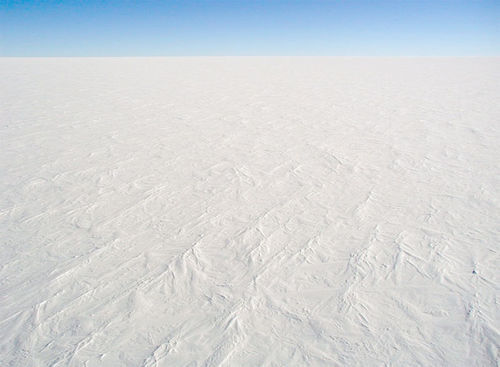
Periods of intense cold have also been suggested as a barrier to the evolution of multicellular life. The period preceeding the Ediacaran is known as the Cryogenian. The greatest ice ages known to have occurred on Earth, possibly covering the entire planet, occurred during this period. These ‘snowball earth‘ events are still the subject of much scientific controversy, whether these glaciations were truly global or merely localised events. The diversity of life in modern Antarctica has also sparked disagreement over whether cold temperatures increase or decrease the rate of evolution.
Antarctica snow dome. Image source Wikipedia.
Oxygen, is still seen as key to enable cells to cluster and differentiate. It seems to have accumulated in two pulses; the rise of small, sessile (stationary) organisms seems to correlate with an early oxygenation event, with larger and mobile organisms appearing around the second pulse of oxygenation – the rise of the Endiacaran.
Life, but not exactly as we know it
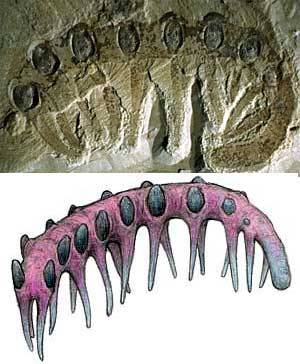
The advantages of multicellularity include increased size and specialisation, physical protection and conditions for the development of complex behaviour. Unfortunately the soft-bodied physiology of the organisms have meant that fossil remains make their nature speculative and seem quite alien.
Microdictyon, fossil and artists impression. Image source Wikipedia.
While some can be likened to modern jellyfish, corals and lichens, many others remain more enigmatic. For example the Charnia are lacking any mouth, gut, reproductive organs, or indeed any evidence of internal anatomy, their lifestyle was somewhat peculiar by modern standards; the most widely accepted hypothesis holds that they sucked nutrients out of the surrounding seawater by osmosis.
The demise of the Ediacaran
The Cambrian period is marked by the appearance of organisms who evolved the ability to precipitate minerals used for skeletons and hard shells. Organisms which are more easily preserved as fossils than soft-bodied ones. This “Cambrian Explosion
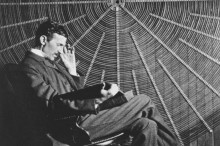
There is a dominant theme in the life of Nikola Tesla. His undoubted genius. Tesla pioneered, if not invented; AC motors, AC power generation and transmission, high voltage generation (Tesla coil), wireless transmission of power and information, radio controlled boats, cold discharge fluorescent lighting, and the ‘death-ray’.
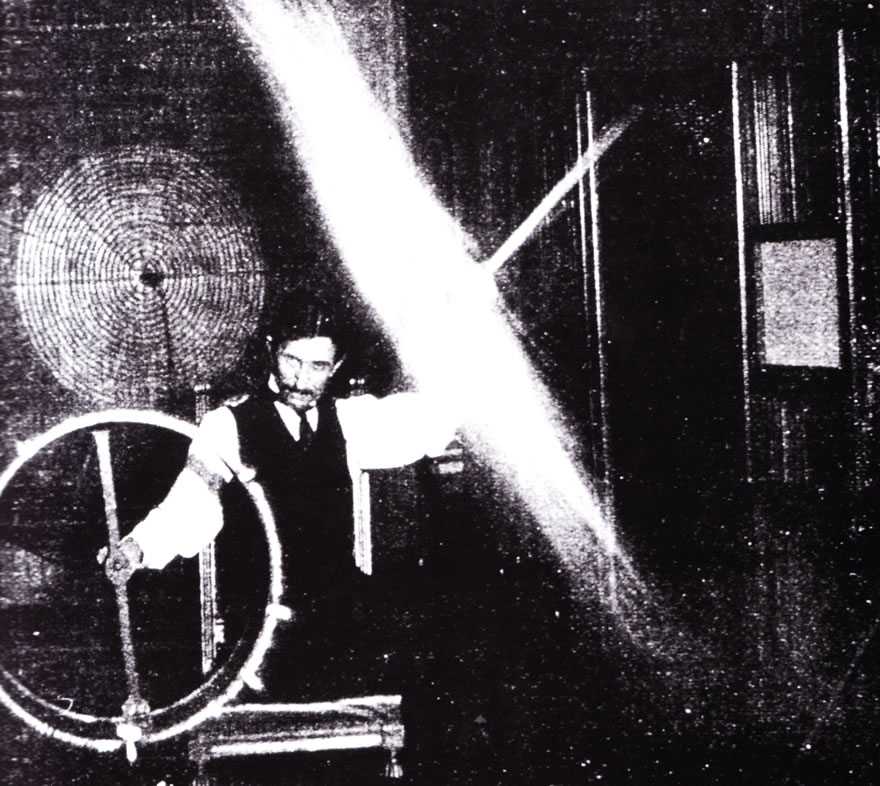
Tesla at his Houston street laboratory in 1898, sending 500,000 volts through his body to light a wireless fluorescent light. Image source Wiki commons.
It also meant that he was ahead of his time, in many cases unable or disdainful to translate what to him was now obvious to those of lesser vision or ability. This resulted in tempestuous clashes with entrepreneurial inventors in three major technologies, technologies that defined this as the ‘Age of Electricity’. Tesla’s was no ordinary progression in life and its colorful and quirky story continues to determine his eccentric place in history – from near invisibility to cult figure.
Two books: many stories
My prompt for this writing this essay was my recent reading of two books on Tesla’s life. His autobiography; My Inventions and other writings, first published serially in 1919 when he was 63, is a technicolour, frenetic meditation on his major discoveries and innovations. It is autobiographical, mixing his life stories with his inventions, the narrative leaping around in time and place as Tesla seemed to in real life. Worth reading to obtain some of the character of Nikola Tesla – even if coloured by his own deliberate self mythologizing.
The second book Wizard: the life and times of Nikola Tesla (by Marc Seifer) captures much of the excitement of this early age of electricity. This book is a chronology of Tesla’s life, informative in its research and illuminating with its vignettes drawn from contemporary memoirs. At the same time its chronological presentation provides a misleading sequential perception of his life.
Seifer also lacks the engineering or science competence to describe in simple terms the genius of Tesla’s inventions. An essential for a biography of someone whose whole life revolved around his work. In the concluding chapters Seifer’s writing starts to take on the ludicrous credulity of the conspiracy theorist – which is a pity the rest of the book is clear of this nonsense.
In defense of Seifer I think it would be challenge for any biographer to tell the whole Tesla story. Tesla was completely consumed by his ideas and inventions, eschewing most intimate contact – to the extreme of apparently being celibate his whole life. To make credible his fantastic life is a challenge. Furthermore, a modern reader, it most cases will struggle in comprehending the archaic technical descriptions and ideas.
The dawn of the Electric Age
This was an age when electricity and magnetism had only recently been linked by the arcane mathematics of James Clerk Maxwell and electricity was still thought to propagate by vibrations of an aether. Tesla was one of the few people alive who understood the physics of what we now call electromagnetism, and could also translate this into tangible inventions.
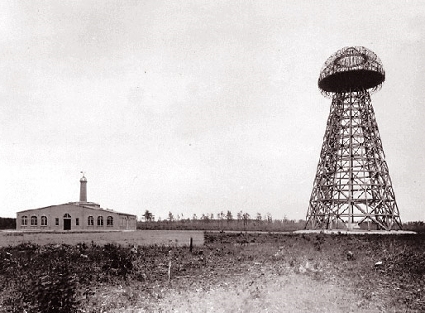
Wardenclyffe, circa 1903. Source Wiki commons.
Tesla’s name is associated with the invention of the rotating magnetic field and the ability of such a field to produce an electric current. By 1882 Tesla had invented and patented the AC polyphase motor – giving the ability to transfer electrical energy into mechanical energy. The reverse of this creates a turbine that converts mechanical energy, from say a waterfall, into electrical energy.
Tesla’s move, in 1884, from Europe to the USA was to develop his own inventions and contribute to Edison’s commercial interests. This collaboration parted ways over what became the AC-DC power war. Edison’s commercial interests were firmly focused on his incandescent lamps and the use of DC power (direct current; such as we get from a battery). Tesla had correctly intuited from first principles that alternating current (AC power as we now operate our homes and industries on), as different to DC power, could be transported by wires over great distances with minimal power loss.
Ultimately Tesla was proved both scientifically and commercially correct. It was his turbine designs that Westinghouse used in the first major hydroelectric power station in the world – the 1894 powering of Buffalo by the might of Niagara falls.
This was a tumultuous period of commercial expansion. The ability to power industry by electricity rather than steam was arguably a bigger leap than from manual to steam power – certainly in commercial terms. The ensuing law-suits and counter-suits over patent precedence in motors, generation and transmission, roiled across the US and Europe, making and breaking reputations and fortunes. These actions bringing Edison General Electric to its knees and forcing it to join with others to become General Electric.
Westinghouse prevailed, at the same time neglecting to pay Tesla royalties that he deserved – despite he not bothering to ensure he had written agreements. This disdain for the corporate conventions of the time cost Tesla both wealth and reputation. He moved onto other new ideas whilst others claimed his inventions in the law and popular press.
Father of the wireless
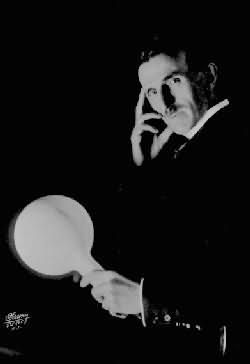
This was repeated in the next huge modernisation trend – the invention of the wireless transmission of information. By 1893 Tesla was demonstrating the transmission of electric power by wireless means most notably at the Chicago World fair. He delighted in amazing audiences with fantastic high-voltage discharge displays, passing millions of volts through his body and remote lighting of fluorescent tubes by radio frequency.
Already in 1891 he had discussed his “wireless telegraphy” and demonstrated the technology required in 1892. It was 1894 before Guglielmo Marconi would begin his teenage tinkering in the wireless field. So why do we remember the name of Marconi as synonymous with radio? Why did he share the 1909 Nobel Prize with Karl Braun rather than with Tesla?
It would appear from historical evidence that Tesla, in his own mind, had already proved it – and moved on. Whereas the entrepreneur in Marconi, much like Edison, was tenacious in development of his inventions. Tesla at this time had formed a company with the financier Pierpont Morgan to commercialise his wireless technologies. Morgan knew their was a fortune in wireless telegraphy and fluorescent lighting; provided they were developed sufficiently to present to investors as near commercial realities.
Nikola Tesla illuminated by one of his wireless powered cold arc lamps. Source Wiki commons.
To this end Morgan had tasked him with demonstrating the fluorescent light technologies and maturing their manufacture and demonstrating his wireless by covering off-shore yacht races. The latter would have been a tangible demonstration for both the rich and the Navy. Tesla did neither. he scorned the triviality of the public demonstration – despite his very public earlier electric demonstrations. This left the field of wireless telegraphy (radio) for Marconi and other to develop. instead Tesla squandered the Morgan money on his other big dream – providing wireless transmission of electric power by radio.
Radio power, transmission and weapons
Tesla’s greatest dream was sure to be one not funded by the likes of Morgan. He envisaged a world where power and information were transmitted world-wide – for free. To this end he he used the money from Morgan to plan and start building a gigantic transmission tower, Wardenclyffe, in 1902. His philanthropic ideals and profligate spending meant that by 1906 his funding from Morgan had dried up, and his dream never realised. The tower was destroyed in 1917 by US Government orders to ensure that it was not used by enemies of the state.
In developing this idea he correctly understood the physics of wireless transmission both through the atmosphere and the ground. Laying down the principles that would guide the subsequent invention of both AM and FM radio.
A combination of creditors, stock market upheavals, World War 1 and the stock market collapse of 1930 ensured that Tesla could never raise the money required to bring about this revolutionary idea. A idea revolutionary even by the social standards and upheavals of the time.
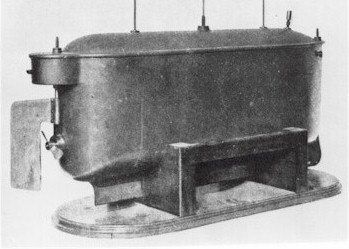
Tesla’s radio controlled boat. Source Wiki Commons
At the same time Tesla was a continuing fountain of new ideas. Perhaps given the turbulent times these included the world’s first radio controlled boat in 1898 which he continually and unsuccessfully tried to interest the US Navy in, improvements on dirigibles, a helicopter plane called a flivver and at the age of 78 a ‘death-ray’.
This latter ‘invention’ was never built nor even prototyped but harked back to experiments of Tesla in the 1890’s that were only a small step away from the invention of the laser. The ideas were sufficiently developed though to serve as mental prototypes for particle-beam weapons and strategic defense shields loved by science fiction writers and some politicians.
Modern nonsense
Apart from the tangible technological legacies left by Tesla’s prodigious genius there are also quixotically hare-brained modern legacies. These Tesla, if he were alive today, would scoff at. None more so than the Tesla “free-energy-generator”
This modern scam is based on the misrepresentation of Tesla’s laudable Wardenclyffe dream and his idea that you could use his generator as a receiver of the, at the time, newly discovered cosmic rays. The radio sophistication and development of radar during and subsequent to WW11 demonstrate the impracticality of large transmitters and receivers of radio power at the levels envisaged by Tesla. We now use networks of smaller powered repeaters (many of these satellites) to ensure uninterrupted radio/telephone/television coverage on a world-wide basis. As for cosmic rays, they are energetic, however of such low density (thankfully for life) that collecting sufficient power from them is impracticable.
That scams based on Tesla exist in this modern age is testament not to conspiracy theories as maintained by these swindlers. Rather it is testimony to Tesla being truly ahead of his time – a time of tumultuous technological growth, which he partially created without ever seeming to inhabit.
A complete biography of Nikola Tesla is still to be written. I believe it will require a writer who understands the science and engineering of Tesla’s age and who has the artistry to weave the many threads of his life into the dynamic, parallel genius of his life – teetering on the precipice of chaos – that was Nikola Tesla.