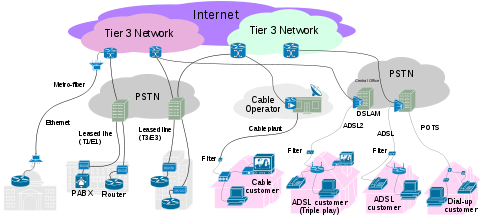
Blog

  • WWW12 Conference: Transformation of the Social Web

    WWW12 Conference: Transformation of the Social Web

    This year the World Wide Web conference (or WWW12) is taking place in Europe (Lyon, France) . It was first conceived as an idea in 1989 by Tim Berners-Lee at CERN in Geneva while the first conference of the series was held in 1994. Ever since  then World Wide Webn has became an annual event changing location between North America, Europe, and Asia. The official keynote speakers are announced,  and we can expect interesting forum for researchers and practitioners in Web technologies to discuss and exchange positions on current and emergent Web topics.

    The WWW Conference series aims to provide the world a premier forum for discussion and debate about the evolution of the Web, the standardisation of its associated technologies, and the impact of those technologies on society and culture. The conferences bring together researchers, developers, users and commercial ventures – indeed all who are passionate about the Web and what it has to offer;  it is stated as the primary mission of the conference. The series provides an open forum in which all opinions can be presented, subject to a strict process of peer review.

    What is interesting for WWW12 is that this year the specific focus is the most important topics on a global concern in information-communication and web technologies in our society.  The focus is on the social evolution on how web changes our world (World Digital Solidarity), how to reduce digital divide and social inequalities using the web (remember previous discussions of mine on digital divides and what I said). Another is Web Accessibility initiative that aims on “web for all

  • The Elevator of the Future

    The Elevator of the Future

    vacuum-elevator-1A home elevator is set to become a practical transportation alternative to staircases with the development and production of vacuum elevators. Owning a home elevator is more feasible and cost effective with vacuum elevators because they take up a smaller amount of space compared to a traditional elevator and offer easy installation at an affordable price.


    Vacuum elevators are built from lightweight aluminum and polycarbonate material. Installing one inside a home is a simple task because these elevators do not require excavation for a pit or hoist. A vacuum elevator occupies just one square meter of floor space and can easily fit inside any two story home. It only takes a few hours to install and does not require the same degree of maintenance that a traditional home elevator needs. The best part is that a vacuum elevator can be installed in a home at a much lower cost than a traditional elevator.

    Using a vacuum elevator is completely safe. It is designed to use a difference in air pressure to move the elevator cab up and down. There are separate atmospheric pressure and low pressure zones and a vacuum pump moves the air to make the lift elevate or descend. No cables are needed to control it. Using air instead of mechanical components to start and stop the elevator creates a smooth starting and stopping motion. The elevator also uses locks to hold the cab exactly at floor level each time it stops.

    vacuum-elevator-2vacuum-elevator-3Residential vacuum elevators hold much less weight than traditional commercial elevators. They are only rated to carry up to 450 pounds, which is more than enough for residential use. This type of elevator operates just as safely as a traditional elevator.
    Daytona Elevator is the leading distributor of these new residential vacuum elevators. The Florida based company already offers a whole range of home transportation devices. These products include stair lifts, curved stair lifts, vertical stair lifts, dumbwaiters and traditional home elevators. With this latest offering of vacuum elevators, Daytona Elevator is helping the future meet the present in a way that benefits consumers looking for home transportation solutions.

    Go to http://www.daytonaelevator.com for more info…


  • The Development of Mobile Phones

    The Development of Mobile Phones

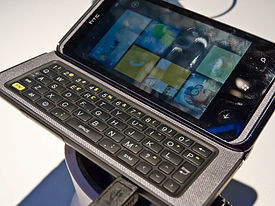
    HTC_7_ProThe developement of mobile phones has become so fast that it is difficult to keep up with it. If we look back at how it looked like in the past and where it is nowadays it is incredible to see how it has changed. With all their benefits they have become an irreplacible parts of our lives.
    Basics:

    A mobile phone (also known as a cellular phone, cell phone and a hand phone) is a device which can make and receive telephone calls over a radio link whilst moving around a wide geographic area. It does so by connecting to a cellular network provided by a mobile network operator. The calls are to and from the public telephone network which includes other mobiles and fixed-line phones across the world. By contrast, a cordless telephone is used only within the short range of a single, private base station. [1]
    The history of mobile phones charts the development of devices which connect wirelessly to the public switched telephone network. Early devices were bulky and consumed high power and the network supported only a few simultaneous conversations. Modern cellular networks and microprocessor control systems allow automatic and pervasive use of mobile phones for voice and data communications. [2]
    Before cellular phones existed there where several mobile solutions available for example Push to Talk(PTT) Mobile Telephone System(MTS) and Advanced Mobile Telephone Service(AMTS) to name a few. The …As far back as the late 1930’s Radiophones where a very important and vital means of mobile communication for the armed forces. When Analogue mobile phones where first launched they quickly became known as cellphones because they allowed the mobile phone user to travel between cell sites. Motorola the american corporation is widely believed to be the first manufacturer in the world to produce portable mobile phones that did not rely on a motor vehicle for its power. The first mobile phone call to be made on a portable phone was early in the 1970’s.
    When did mobile phones enter the consumer market place?Once the strong far Eastern manufacturers saw how rapidly mobile phone usage was growing and being taken up by the consumer as well as being a ‘must have’ business tool, they lost no time in mounting a serious challenge including such manufacturers as Sony Ericcson, Sharp, LG. Panasonic, Samsung, NEC and many more.
    Since the early 1990’s researchers have realised the potential of incorporating other devices into mobile phones. The camera was recognised as a very beneficial device to include. The first patent was filed as far back as 1994 by AT&T and it is claimed that the first mobile camera phone was invented in 1997 by Phillipe Kahn. By 2007 85% of mobile phones manufactured had a camera included and they are now referred to as camera phones. [3]
    As early as 1947, it was realized that small cells with frequency reuse could increase traffic capacity substantially and the basic cellular concept was developed. However, the technology did not exist.
    1953 -AT&T proposed to the FCC a broadband mobile telephone system to operate in the 800 MHz region.
    1970 -FCC announced a tentative allocation of 75 MHz in the 800 MHz region and invited industry to submit proposals for achieving communication objectives and demonstrating feasibility.
    1971 -AT&T responds with a technical report asserting feasibility by detailing how a “cellular system” might be composed. No other proposed systems were submitted to the FCC.
    1974 -FCC makes a firm allocation of 40 MHz for mobile telephone service and solicited applications for developmental Systems to prove the feasibility of so-called “Cellular Systems” but because of the beginnings of Bell Systems divestiture proceedings, ruled that Western Electric could not manufacture cellular terminal equipment. This was because Western Electric makes the network equipment and the restriction from selling both terminal and network products was to prevent further monopolization.
    1975 -AT&T applied for authorization to operate a developmental cellular system in Chicago.
    1977 -License granted in March of 1977. Illinois Bell Telephone constructs and operates a developmental cellular system.
    1978 -Mid 1978 the Equipment Test phase commenced. The Service Test-phase started in late 1978. Twenty-one hundred mobile sets were procured from three suppliers for the test and the system served over 2000 trial customers.
    1981 -FCC issues standard rules and due to the direction already taken, In the Bell System divestiture proceedings, now rules that Western Electric is permitted to manufacture cellular terminals as well as the network equipment.
    In the years between 1974 and 1981, AT&T Bell Labs worked with all other cellular terminal vendors to develop their cellular phones so that consumers would have quality products available to use on the cellular network. [4]
    The definition of an approach supporting an End-User in the development of mobile applications is a hard task because of the characteristics and the limitations of mobile device interfaces. In this paper we present an approach and a tool to enable End-Users to visually compose their own applications directly on their mobile phone. To this aim, a touchable interface and an ad-hoc visual language have been developed, enabling the user to compose simple focused applications, named MicroApps. The user has not in charge the creation of the user interface that is automatically generated. [5]

    Conclusion:

    It is amazing to observe the development of mobile phones  considering their from where they started. The technology experts’ ideas are running wild bringing us some mobile phone novelties constantly and we are left only to keep imagining what is next to come.

    References:

    [1] http://en.wikipedia.org/wiki/Mobile_phone
    [2] http://en.wikipedia.org/wiki/History_of_mobile_phones
    [3] http://www.ukphoneshop.com/news/general-interest/the-history-and-the-development-of-mobile-phones-mobile-phone-networks-and-mobile-ph/829/
    [4] http://inventors.about.com/gi/dynamic/offsite.htm?site=http://www.wave-guide.org/archives/waveguide_3/cellular-history.html
    [5] ”MicroApps Development on Mobile Phones” Stefania Cuccurullo, Rita Francese, Michele Risi and Genoveffa Tortora

  • The Influence of Mobile Phones on Teenagers

    The Influence of Mobile Phones on Teenagers

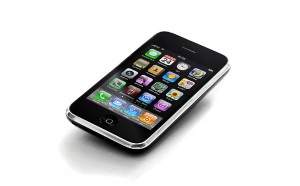
    iphoneMobile phones have become very popular in recent years and their development has been amazing. It is no wonder why they have become irreplacible. With all applications which go with them they have gained a huge popularity with teenagers.



    Basics:

    A mobile phone (also known as a cellular phone, cell phone and a hand phone) is a device which can make and receive telephone calls over a radio link whilst moving around a wide geographic area. It does so by connecting to a cellular network provided by a mobile network operator. The calls are to and from the public telephone network which includes other mobiles and fixed-line phones across the world. By contrast, a cordless telephone is used only within the short range of a single, private base station. [1]
    The quality of sleep of almost half of 16 year olds may be affected by text messaging on mobile phones, a study from Belgium says.
    The sleep of one in four 13 year olds could be affected too, says the researchers, who looked at the effects of text messaging on sleep interruption in teenagers (Journal of Sleep Research (2003:12:263).
    In the research, about 2500 first and fourth year children (aged 13 years and 16 years respectively) in the Leuven study on media and adolescent health (SOMAH) based in Flanders, Belgium, were asked how often they were awoken at night by incoming text messages on their mobile phone.
    In the first year students, 13.4% reported being woken up one to three times a month, 5.8% were woken up once a week, 5.3% were woken up several times a week and 2.2% were woken up every night. In the fourth year group, 20.8% were woken up between one and three times a month, 10.8% were woken up at least once a week, 8.9% were woken up several times a week, and 2.9% were woken up every night. The teenagers were also asked to indicate how tired they felt at various times.
    “These preliminary findings suggest that mobile telephones may be having a major impact on the quality of sleep of a growing number of adolescents. It affected a quarter of the youngest to almost half of the eldest children in the sample,” says Jan Van den Bulck of the Katholieke Universiteit Leuven, who reports the findings in a letter to the journal. [2]
    Cell phones are a great invention and a popular way to communicate—half of all Americans and Europeans use one. They allow us to work on the go and stay in touch. When put in the hands of a teenager, however, they can have some effects of which adults should be aware.
    Cell phones provide security for teens and parents who worry about them; help is never out of reach and parents can check on their children easily.
    Young people’s ability to communicate is extended—they can reach more people (including family) on a daily basis with cell phone speech and texting.
    Teens’ natural tendency to follow trends may result in an emotional attachment to a cell phone (in its latest model) that is out of scale with its actual value. Some teens may even develop an “addiction” to the device that excludes anything not viewed or heard.
    Cell phones allow only verbal, disembodied relationships at a time when adolescents should be working on developing a sense of their own—and others’—physical space. [3]
    The acquisition of a cell phone appears to influence the communication choices of teens. In particular, cell phone users are much less likely to choose to use email than teens without cell phones. When asked which medium teens used to send written messages to friends most often, teens with cell phones were much more likely to select instant messaging and text messaging than email, while teens without mobile phones were more likely to choose email or instant messaging as their most favored textual method of communicating with friends. And while all teens are more likely to say they most often talk on the phone when communicating with their friends, teens with cell phones are more likely than teens without to say that they most often communicate with friends by written messages rather than the phone. Sixty-seven percent of teens without cell phones say they use a phone most often when communicating with their friends, compared to 58% of teens with a cell phone. So even though they potentially have more opportunities to talk on the phone than teens without cell phones, cell phone owners prefer to communicate with friends via written communication. [4]
    It is a common sight – cell phones (mobile phones) in the hands of people, especially teenagers. Literature has provided in-depth evidence of the uses, advantages, disadvantages, impact, consequences and concerns about the use of mobile phones. Why teenagers fancy this device, is an interesting observation where the experts attach its significance to teenagers’ identity factor. The usage of mobile phones has re-shaped, re-organised and altered several social facets. Particularly focussing on teenagers’ mobile phone usage, literature has provided evidence of them being used for both positive purposes and negative reasons. Teenagers possessing mobile phone/s were 96.5% (n=111). A further breakup of age groups indicated that all the 17-19 olds had mobile phones. In addition, not possessing mobile phone/s is higher in the age bracket 15-16 year olds when compared to 13-14 olds. [5]
    The spread of mobile communication among Finnish teenagers has been markedly rapid during the latter half of the 1990s. Young people have created and developed a communication culture that incorporates many special features, such as a rise in the use of text-based communication channels. Teenagers’ intersecting and selective use of communication channels has generated multimedial communication. From the theoretical standpoint provided by symbolic interactionism, we can ask whether communication through new media technologies generates new forms of social interaction. If this is the case, how could we describe and analyse these new forms of interaction? The media landscapes created by teenagers serve to articulate their personal space, as well as enabling their presentation of self and defining their relationships to others.[ 6]

    Conclusion:

    The influence of mobile technology on our lives is huge and even greater on teenagers. In the age in which they’re developing as individuals all that mobile phones birng leaves a strong trace on their growing up. The usage of mobile phones in their age should be controlled but they shouldn’t be discouraged from using them as they bring many benefits.

    References:

    [1] http://en.wikipedia.org/wiki/Mobile_phone
    [2] ”Text messaging is spoiling teenagers’ sleep” by Roger Dobson
    [3] ”The Effects of Cell Phones on Teenagers” by Laura Reynolds
    [4] ”Teens and Technology” by Amanda Lenhart, Paul Hitlin, Mary Madden
    [5] ”Mobile phones and teenagers: Impact, consequences and concerns – parents/caregivers perspectives” by Ravidchandran, Shanthi
    [6] ”Mobile Communication as a Social Stage Meanings of Mobile Communication in Everyday Life among Teenagers in Finland” by Virpi Oksman

  • Social and physical influences of sports and exercise

    Social and physical influences of sports and exercise

    training
    Image source: www.ontrackretreats.com.au

    Since the beginning of time sport has had a great importance. It is good for health and fitness, it is great fun and pastime and is great for learning how to win and dealing with the loss. Many factors influence sports activities and the study of them has gone to such an extent that today there is even a branch of sociology studying sports.

    Sport is all forms of physical activity which, through casual or organised participation, aim to use, maintain or improve physical fitness and provide entertainment to participants. Sport may be competitive, where a winner or winners can be identified by objective means, and may require a degree of skill, especially at higher levels. Hundreds of sports exist, including those for a single participant, through to those with hundreds of simultaneous participants, either in teams or competing as individuals. Some non-physical activities, such as board games and card games are sometimes referred to as sports, but a sport is generally recognised as being based in physical athleticism. [1]

    Promoting physical activity is a public health priority, and changes in the environmental contexts of adults’ activity choices are believed to be crucial. However, of the factors associated with physical activity, environmental influences are among the least understood.
    Method: Using journal scans and computerized literature database searches, we identified 19 quantitative studies that assessed the relationships with physical activity behavior of perceived and objectively determined physical environment attributes. Findings were categorized into those examining five categories: accessibility of facilities, opportunities for activity, weather, safety, and aesthetic attributes.
    Results: Accessibility, opportunities, and aesthetic attributes had significant associations with physical activity. Weather and safety showed less-strong relationships. Where studies pooled different categories to create composite variables, the associations were less likely to be statistically significant.
    Conclusions: Physical environment factors have consistent associations with physical activity behavior. Further development of ecologic and environmental models, together with behavior-specific and context-specific measurement strategies, should help in further understanding of these associations. Prospective studies are required to identify possible causal relationships. [2]

    bicycles
    Image source: www.reidcycles.com.au

    Results of the studies continue to support a growing literature suggesting that exercise, physical activity and physical-activity interventions have beneficial effects across several physical and mental-health outcomes. Generally, participants engaging in regular physical activity display more desirable health outcomes across a variety of physical conditions. Similarly, participants in randomized clinical trials of physical-activity interventions show better health outcomes, including better general and health-related quality of life, better functional capacity and better mood states.
    The studies have several implications for clinical practice and research. Most work suggests that exercise and physical activity are associated with better quality of life and health outcomes. Therefore, assessment and promotion of exercise and physical activity may be beneficial in achieving desired benefits across several populations. Several limitations were noted, particularly in research involving randomized clinical trials. These trials tend to involve limited sample sizes with short follow-up periods, thus limiting the clinical implications of the benefits associated with physical activity. [3]

    Little is known about possible determinants of children’s participation in physical activity. In particular, the role of adults has not been clearly identified. This study investigated contemporary social cognitive variables, in combination with likely adult influence factors, in predicting intended and self reported vigorous physical activity for young adolescents. A questionnaire was administered to 147 boys and girls ages 13–14. Questions assessed physical activity levels, including vigorous activity, intention to take part in sports or vigorous physical activity, social cognitive variables, and adult encouragement of physical activity. A structural equation modeling analysis showed a good fit for a model in which vigorous physical activity was predicted by direct paths from adult encouragement and intention, with adult encouragement also predicting vigorous activity indirectly through perceived competence. Intention itself was predicted by adult encouragement and a task achievement goal orientation. [4]

    Mental disorders are of major public health significance. It has been claimed that vigorous physical activity has positive effects on mental health in both clinical and nonclinical populations. This paper reviews the evidence for this claim and provides recommendations for future studies. The strongest evidence suggests that physical activity and exercise probably alleviate some symptoms associated with mild to moderate depression. The evidence also suggests that physical activity and exercise might provide a beneficial adjunct for alcoholism and substance abuse programs; improve self-image, social skills, and cognitive functioning; reduce the symptoms of anxiety; and alter aspects of coronary-prone (Type A) behavior and physiological response to stresses. The effects of physical activity and exercise on mental disorders, such as schizophrenia, and other aspects of mental health are not known. Negative psychological effects from exercise have also been reported. Recommendations for further research on the effects of physical activity and exercise on mental health are made.[5]

    Conclusion:

    The significance of sport is great. Not only that it effects our physical well-being but our state of mind as well. Various things effect how we experience sports activities however their benefits mustn’t be forgotten and neglected.

    References:

    [1] http://en.wikipedia.org/wiki/Sport
    [2] ‘Environmental factors associated with adults’ participation in physical activity’ by Nancy Humpel BPsyc, Neville Owen PhD and Eva Leslie MHN
    [3] ‘Exercise and well-being: a review of mental and physical health benefits associated with physical activity’ by Penedo, Frank Ja; Dahn, Jason Ra,b
    [4] J Sch Health. 1996;66(2):75–78
    [5] ‘The relation of physical activity and exercise to mental health’ by C B Taylor, J F Sallis, and R Needle

  • The Future of Internet Search

    The Future of Internet Search

    emotivWhat does the future hold for search engines? Is Google as far as the realm of Internet search will go? According to the Technological Singularity hypothesis, Internet search has not yet reached the apex. A technological singularity occurs when the intellectual capacity of humans has been so greatly augmented by technology that it facilitates a hyperintelligence. Under this hypothesis, Internet search is bound to succumb to knowledge in the next few decades.
    Theoretically, the human capacity for learning and knowledge acquisition is endless. A human could conceivably store and parse more information than Watson, the artificial intelligence computer system developed by IBM. Watson’s 15 terabytes of human knowledge and superfast algorithmic processing power came in handy when it beat the whip-smart champions of the television quiz show Jeopardy! in February, 2011.

    The human processes of learning, teaching and knowledge acquisition have been significantly augmented by the Information Age. While the advances in Internet technology have come a long way from the days of dial-up modems, bulletin board systems and America Online, the search interface paradigm basically remains the same: users need some sort of input device and an Internet connection to access information. Whether it’s a keyboard, touch screen or voice command, humans are dependent on external hardware input devices.

    What if the external interfaces could be eliminated, or at least minimized so that they can no longer be classified as hardware? The current answer to that question lies in the world of brain-computer interfaces, which are commercially available and open to developers. Brain-computer interfaces are wonders of electroencephalography (EEG) technology that allow true wireless, hands-free and voiceless interaction between humans and external devices. The Emotiv EPOC is such a device. While it may sound -and look- like something out of a William Gibson cyberpunk novel, the Emotiv EPOC is able to recognize thought patterns via electrodes and translate them into actions.

    The Emotiv EPOC is mostly used for computer gaming these days, but the day will soon come when brain-computer interfaces can execute a Google search. Think about the SEO and marketing possibilities: custom search results and advertising based on the user’s thoughts, emotions and general state of mind. What is your opinion about neural SEO? What can be accomplished in terms of Internet marketing? Please leave your comments and ideas.

  • Information technology and its impact on productivity

    Information technology and its impact on productivity

    PCIT-information technology is one of the fastest developing branches of technology. It has become an important part of our every-day lives and doing serious business has become impossible without using IT. The question on everybody’s lips is: is it really improving workers’ productivity?

    Basics:

    IT is the area of managing technology and spans wide variety of areas that include but are not limited to things such as processes, computer software, information systems, computer hardware, programming languages, and data constructs. In short, anything that renders data, information or perceived knowledge in any visual format whatsoever, via any multimedia distribution mechanism, is considered part of the IT domain. IT provides businesses with four sets of core services to help execute the business strategy: business process automation, providing information, connecting with customers, and productivity tools.[1]

    Productivity is a measure of the efficiency of production. Productivity is a ratio of what is produced to what is required to produce it. Usually this ratio is in the form of an average, expressing the total output divided by the total input. Productivity is a measure of output from a production process, per unit of input.[2]

    The impact of information technology on work life has been one of the most talked about issues over the recent years. Chief executive officers spending millions of dollars on information technology face the critical issue of assessing the impact of this technology on work. Information system managers are increasingly required to justify technology investment in terms of its impact on the individual and his/her work. Measures of impact of information technology have narrowly focused on productivity impacts. This study uses a broader concept that is based on the impact of technology on the nature of work literature. This literature recognizes the multiple impacts of technology on work at the level of the individual. A review of the literature enabled us to generate thirty-nine items that were grouped into four constructs. In a pilot study, these constructs were assessed by observers in structured interviews with eighty-nine users to provide a criterion measure. Next, the users completed the thirty-nine item questionnaire. The unidimensionality, internal consistency and criterion-related validity of each construct were assessed. The pilot results suggest a four factor 12-item instrument that measures how extensively information technology applications impact task productivity, task innovation, customer satisfaction and management control. In a large scale study, a sample of 409 respondents was gathered to further explore this 12-item instrument and its relationships with other constructs (user involvement, user satisfaction, system usage). The results support the four factor model. Evidence of reliability and construct validity is presented for the hypothesized measurement model and future research is discussed.[3]

    For over a decade, empirical studies in the information technology (IT) value literature have examined the impact of technology investments on various measures of performance. However, the results of these studies, especially those examining the contribution of IT to productivity, have been mixed. One reason for these mixed empirical findings may be that these studies have not effectively accounted for the impact of technology investments that increase production efficiency and improve product quality on firm productivity. In particular, it is commonly assumed that such investments should lead to gains in both profits and productivity. However, using a closed-form analytical model we challenge this underlying assumption and demonstrate that investments in certain efficiency-enhancing technologies may be expected to decrease the productivity of profit-maximizing firms. More specifically, we demonstrate that investments in technologies that reduce the firm’s fixed overhead costs do not affect the firm’s product quality and pricing decisions but do increase profits and improve productivity. In addition, we demonstrate that investments in technologies that reduce the variable costs of designing, developing, and manufacturing a product encourage the firm to improve product quality and to charge a higher price. Although this adjustment helps the firm to capture higher profits, we show that it will also increase total production costs and will, under a range of conditions, decrease firm productivity. Finally, we show that the direction of firm productivity following such investments depends upon the relationship between the fixed costs of the firm and the size of the market.[4]

    257 studies met the inclusion criteria. Most studies addressed decision support systems or electronic health records. Approximately 25% of the studies were from 4 academic institutions that implemented internally developed systems; only 9 studies evaluated multifunctional, commercially developed systems. Three major benefits on quality were demonstrated: increased adherence to guideline-based care, enhanced surveillance and monitoring, and decreased medication errors. The primary domain of improvement was preventive health. The major efficiency benefit shown was decreased utilization of care. Data on another efficiency measure, time utilization, were mixed. Empirical cost data were limited.
    Four benchmark institutions have demonstrated the efficacy of health information technologies in improving quality and efficiency. Whether and how other institutions can achieve similar benefits, and at what costs, are unclear.[5]

    As more information technology (IT) is deployed in organizations, it is important to understand its impact on individual performance and organizational productivity. Most past research has concentrated on identifying determinants of computer acceptance. This may be inadequate in determining the value and return on investment due to IT. Organizations are able to deploy IT more effectively if the consequences of its acceptance are obviously valuable. This study seeks to investigate the implications and consequences of IT acceptance by examining the relationships between IT acceptance and its impact on the individual user. The research model involves three components: user satisfaction, system usage, and individual impact. It is hypothesized that user satisfaction and system usage affect individual impact and that usage partially mediates the effect of satisfaction on individual impact.
    A comprehensive questionnaire on computer acceptance was used to collect data from 625 employees of a large organization in Singapore. The results suggest that user satisfaction is an important factor affecting system usage and that user satisfaction has the strongest direct effect on individual impact. The results also demonstrate the importance of system usage in mediating the relationship of user satisfaction on individual impact.[6]

    Based on previous empirical research, there seems to be little relation between investment in information technology (IT) and financial performance (often referred to as the `productivity paradox’). We hypothesize that this is due to the fact that many companies implement IT projects ineffectively. Like any other asset, IT must be utilized effectively to result in increased financial performance. By comparing successful users of IT and less successful users of IT, we show that successful users of IT have superior financial performance relative to less successful users of IT. However, any financial performance advantage is short-lived, possibly due to the ability of competitors to copy IT projects.[7]

    Technology products are a means to an end, not an end in themselves. When thinking about your IT needs, always begin by thinking about your strategy and business goals.
    Ask: how can I improve my business? Where can I get the jump on competitors? What are my biggest costs and where would I benefit most from efficiency gains?
    Remember that IT can be a powerful source of competitive advantage. Do with IT what your competitors can’t, and customers will take note.
    Only once you’ve decided exactly what it is that your businesses wants to achieve with technology, should you start looking for the solutions themselves.

    Conclusion:

    It cannot be said that information technology has a direct impact on productivity. It does help iproductivity in many cases and improve it, however, it does not have a direct influence on it.

    References:

    [1] http://en.wikipedia.org/wiki/Information_technology
    [2] http://en.wikipedia.org/wiki/Productivity
    [3] “The development of a tool for measuring the perceived impact of information technology on work” by G Torkzadeh and W.J Doll
    [4] “The Impact of Technology Investments on a Firm’s Production Efficiency, Product Quality, and Productivity” by Matt E. Thatcher and Jim R. Oliver
    [5] “Systematic Review: Impact of Health Information Technology on Quality, Efficiency, and Costs of Medical Care” by: Basit Chaudhry, MD; Jerome Wang, MD; Shinyi Wu, PhD; Margaret Maglione, MPP; Walter Mojica, MD; Elizabeth Roth, MA; Sally C. Morton, PhD; and Paul G. Shekelle, MD, PhD
    [6] “The consequences of information technology acceptance on subsequent individual performance” by M. Igbaria and M. Tan
    [7] “Does successful investment in information technology solve the productivity paradox?” by Theophanis Stratopoulos and Bruce Dehning

  • Cruise Ship Pollution

    Cruise Ship Pollution

    Cruise shipBesides being a great touristic attraction and money makers cruise ships also have their bad sides one of them being pollution. Tourists are often unaware of how serious the pollution is. Environmentalists are trying to fight it with all means.


    Basics:

    The environmental impact of shipping includes greenhouse gas emissions and oil pollution. Carbon dioxide emissions from shipping is currently estimated at 4 to 5 percent of the global total, and estimated by the International Maritime Organisation (IMO) to rise by up to 72 percent by 2020 if no action is taken.[1]
    The cruise ship industry is a significant and growing contributor to the United States economy, providing more than $32 billion in benefits annually and generating more than 330,000 U.S. jobs, but also making the environmental impacts of its activities an issue to many. Although cruise ships represent a small fraction of the entire shipping industry worldwide, public attention to their environmental impacts comes in part from the fact that cruise ships are highly visible and in part because of the industry’s desire to promote a positive image. [2]

    Cruise tourism continues to be a major international growth area. In terms of achieving sustainable tourism it is, therefore, a sub-sector within which socio-economic, cultural and environmental considerations need to be continually analysed, addressed and monitored. The environmental impacts of cruise tourism are categorised in this paper and potential strategies that can be employed by both cruise line operators and cruise tourism destinations are explored. Secondary evidence of action by both parties suggests that the industry is taking a number of belated positive steps. However, decision-makers in cruise tourism destinations, particularly those outside North America, need to work closely with operators to facilitate both integrated waste management and intergenerational and intra-societal equity rather than merely accept the prospect of short-term economic gain.[3]
    Bulk metal analyses of surficial sediments collected around the Norwegian Crown cruise ship grounding site in Bermuda indicated significant but localized contamination of reef sediments by copper and zinc, caused by the stripping of the tri-butyltin (TBT)-free antifouling (AF) paint (Intersmooth 460) from the underside of the hull. Highest copper and zinc values were found in heavily compacted and red-pigmented sediments inside the impact scar and were comparable to levels found close to slip ways of local boat yards where AF paints from hull stripping and cleaning processes are washed into the sea. The re-distribution of AF contaminated sediments by storms and deposition on nearby reefs constitutes a significant ecological risk that could delay recovery processes and reduce the effectiveness of remediation efforts. Whilst the ecotoxicological effects of AF paint particles interspersed with sediment is unknown, and in need of further study, it is argued that the significance of AF paint contamination of grounding sites has been overlooked.[4]
    Cruise ships represent less than 1% of the global merchant fleet yet it has been estimated that they are responsible for 25% of all waste generated by merchant vessels. This volume of waste produces pressures on the environment, particularly with respect to ship-generated waste disposal at home ports and ports of call. Southampton, home port for both Cunard and P&O, and a port of call for Royal Caribbean Cruises, is the focus of this study. This paper investigates current waste management and disposal options for cruise ship generated waste and the associated impacts of this waste for ports. It is concluded that all cruise vessels should vigorously pursue a waste reduction strategy and for ports to provide adequate recycling, reduction and re-use facilities for cruise ship generated waste, optimising use of local facilities whenever possible.[5]

    Conclusion:

    Cruise ship pollution ranges from chemical contamination to ship-generated waste. In recent times the big ships have their own recycling facilities but that is not enough to lower the effects of all cruise ship pollution. This is the topic that should be dealt with more seriously and as soon as possible.

    References:

    [1] http://en.wikipedia.org/wiki/Environmental_impact_of_shipping
    [2] http://en.wikipedia.org/wiki/Cruise_ship_pollution_in_the_United_States
    [3] ‘Environmentally sustainable cruise tourism: a reality check’ by David Johnson
    [4] ‘Chemical contamination of a coral reef by the grounding of a cruise ship in Bermuda’ by Ross J Jones
    [5] ‘The impact of cruise ship generated waste on home ports and ports of call: A study of Southampton’ by Nickie Butt

  • Endangered Species in Indonesia

    Endangered Species in Indonesia

    Indonesia the fourth most populous country in the world and with its amazing nature is a popular destination for tourists. Its breathtaking beaches and impressive shrines leave no man indifferent. Unfortunately, there is the dark side to this story of a beautiful country – the endangered species in Indonesia.

    Introduction

    Indonesia has the greatest biological diversity in Asia.  A vast mosaic of 13,667 islands, Indonesia links two biogeographic regions known as the Sunda subregion, an area stretching from southern Burma and Thailand south to northern Indonesia and Borneo, with Oceania to the south and east.  The political boundaries of Indonesia have little to do with ecosystems or ethnic cultures.  The giant island of Borneo, for example, has been divided among several Asian countries. Indonesia claims the southern twothirds, known as Kalimantan, while Malaysia rules two states in the north and west, Sabah and Sarawak, and the small independent country of Brunei lies on the northwestern coast.  Likewise, New Guinea, whose Melanesian tribes have inhabited the island for thousands of years, has been divided between Indonesia, which rules with a strong military presence in the western half, Irian Jaya, and Papua New Guinea in the east, an independent nation.  Politically, Indonesia has been in turmoil for decades, with a series of presidents who have grown rich on foreign aid and siphoning off profits from exploitation of timber, oil and minerals. [1]

    Endangered Species in Indonesia

    Southeast Asia, which includes Indonesia, has the highest relative rate of deforestation of any major tropical region, and could lose three quarters of its original forests by 2100 and up to 42% of its biodiversity. Here, we report on the current state of its biota and highlight the primary drivers of the threat of extinction now faced by much of the unique and rich fauna and flora of the region. Furthermore, the known impacts on the biodiversity of Southeast Asia are likely to be just the tip of the iceberg, owing to the paucity of research data. The looming Southeast Asian biodiversity disaster demands immediate and definitive actions, yet such measures continue to be constrained by socioeconomic factors, including poverty and lack of infrastructure. Any realistic solution will need to involve a multidisciplinary strategy, including political, socioeconomic and scientific input, in which all major stakeholders (government, non-government, national and international organizations) must participate.[2]

    Asian golden catIndonesia is famous for its great biodiversity. It is estimated that as many as 300,000 animal species are inhabit its many ecosystems. This equates to 17% of worldwide fauna species, these across only 1.3% of the world’s landmass. With 515 species, Indonesia has more species of mammal than any other nation. There are 1539 bird species and 50% of all the world’s fish species can be found in its marine and freshwater systems.
    However, Indonesia also has the most endangered species. The World Conservation Union (IUCN, 2003) lists as endangered 147 mammals, 114 birds, 91 fish and 2b invertebrate species. Major conservation efforts are vital if these species are not to become extinct in the near future.
    Trade in wild animals is a serious threat to many species in Indonesia. Over 95% of animals sold in markets are taken directly from the wild and not from captive breeding stocks. More than 20% of animals sold at market die in transportation. Despite this, many endangered and protected species are traded freely, with the rarer species commanding higher prices.[3]

    The Endangered Species:

    Although Indonesia contains Asia’s most extensive tropical rainforests, the nation has lost 26 percent of its primary forest since the 1990s. Wildlife struggles to find habitat in the face of logging, mining and agriculture, especially oil-palm plantations. The following species are among the best-known endangered ones:
    Gibbons
    On Kalimantan and Sumatra, three subspecies of agile gibbons suffer decline due to habitat loss. Siamang gibbons struggle for habitat and are taken from the wild to be sold as pets.
    Asian Golden Cat
    Named for its shiny reddish-brown coat, Sumatra’s Asian, or Temmnick’s, golden cat hunts for habitat while it is hunted for its fur.
    Babirusa
    Indonesia’s islands house a hippopotamus relative, the babirusa, though it looks more like a pig. It is hunted for meat and often shot by farmers if raiding their fields.
    Javan Rhinoceros
    With only 60 left, the Javan rhinoceros is one of the most endangered animals on Earth. Indonesia’s Ujung Kulon National Park protects the species.
    Wondiwoi Tree Kangaroo
    Wondiwoi tree kangaroo are critically endangered and might already be extinct. No one has reported a sighting in recent years. Hunting has been the primary source of their decline.[4]

    Conclusion:

    All the information mentioned above are more than alarming. Indonesian government together with its scientists and inhabitants has to join in the efforts to save Indonesian flora and fauna. A huge responsibility lies on their back as the destruction of their nature could also have a significant influence on whole world’s environment.

    References:

    [1] http://www.endangeredspecieshandbook.org/forest_indonesia.php
    [2] http://www.sciencedirect.com/science/article/pii/S0169534704002666
    [3] http://www.profauna.org/content/en/indonesian_animal_facts.html
    [4] http://www.ehow.com/facts_5584897_endangered-animals-indonesia.html

  • Impact of wireless networks on human health

    Impact of wireless networks on human health

    In the modern days wireless technology has become indispensible and is a part of our every-day lives. We have it with remote controls, video cameras, baby monitors and of course mobile phones and wireless internet connections. Despite all its benefits many are concerned about its influence on our health.

    Basics:

    Wireless computer networks have become commonplace in our environment. Wireless hotspots are found in many public areas and, increasingly, in homes and schools. Wireless networks use low-powered radiofrequency (RF) transmitters called access points to communicate with other low-powered transmitters called client cards that are located in users’ laptop computers or other portable equipment. Nearly all of these wireless networks use Wi-Fi technology, although other wireless technologies are coming into use as well.[1]
    Mobile telephony is now commonplace around the world. This wireless technology relies upon an extensive network of fixed antennas, or base stations, relaying information with radiofrequency (RF) signals. Over 1.4 million base stations exist worldwide and the number is increasing significantly with the introduction of third generation technology.

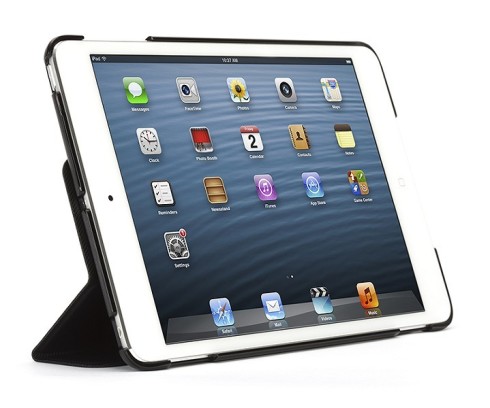
    ipad
    Image source: www.macfixit.com.au

    There has been concern about possible health consequences from exposure to the RF fields produced by wireless technologies. This fact sheet reviews the scientific evidence on the health effects from continuous low-level human exposure to base stations and other local wireless networks.

    Health concerns

    To date, the only health effect from RF fields identified in scientific reviews has been related to an increase in body temperature (> 1 °C) from exposure at very high field intensity found only in certain industrial facilities, such as RF heaters. The levels of RF exposure from base stations and wireless networks are so low that the temperature increases are insignificant and do not affect human health.
    In fact, due to their lower frequency, at similar RF exposure levels, the body absorbs up to five times more of the signal from FM radio and television than from base stations.

    Cancer:

    Scientific evidence on the distribution of cancer in the population can be obtained through carefully planned and executed epidemiological studies. Over the past 15 years, studies examining a potential relationship between RF transmitters and cancer have been published. These studies have not provided evidence that RF exposure from the transmitters increases the risk of cancer.
    Considering the very low exposure levels and research results collected to date, there is no convincing scientific evidence that the weak RF signals from base stations and wireless networks cause adverse health effects.[2]
    Also, the results, which are detailed in the Health Physics paper, show that in all cases the measured Wi-Fi signal levels were very far below international safety limits, specifically, those of the Institute of Electrical and Electronics Engineers and the International Commission on Nonionizing Radiation Protection (ICNIRP 2002). These limits were designed to protect against all known hazards of RF energy. [3]
    The World Health Organization has acknowledged that electromagnetic fields (EMFs) are influencing the environment (but not people), and that some people are worried about possible effects. In response to public concern, the World Health Organization established the International EMF Project in 1996 to assess the scientific evidence of possible health effects of EMF in the frequency range from 0 to 300 GHz. They have stated that although extensive research has been conducted into possible health effects of exposure to many parts of the frequency spectrum, all reviews conducted so far have indicated that exposures are below the limits recommended in the ICNIRP (1998) EMF guidelines, covering the full frequency range from 0–300 GHz, and do not produce any known adverse health effect.[4]

    Conclusion:

    After conducting numerous researches on the subject of impact of wireless networks on human health, the same conclusion was reached: there is no convincing evidence that exposure to RF causes any health problems. However, there are some limitations as to how high a level of frequency people can be exposed to and it should be respected.

    References:

    [1] http://www.hps.org/hpspublications/articles/wirelessnetworks.html
    [2] http://www.who.int/mediacentre/factsheets/fs304/en/index.html
    [3] http://www.hps.org/hpspublications/articles/wirelessnetworks.html
    [4] http://en.wikipedia.org/wiki/Wireless_electronic_devices_and_health


  • Future of education

    Read any science-fiction book from decades ago and you will likely be surprised by the ways that fantasy has met reality. However, not even the most creative mind got it right when it came to the advancements in education. “In fact nobody anticipated the end of the space exploration era and the start of the information revolution”. There are many ways that education has been impacted by technology. While it is easier now to see what the future of education looks like, there are still things even modern experts have not anticipated. (more…)

  • The Paradox of Digital Preservation

    The advent of the Internet as an easily accessible way to preserve and utilize digital information has led to large increase in funding in order to generate more digital information. While the expansion of digital information is implicitly believed to be a positive thing by individuals and institutions, both corporate and government, involved in the expansion of digital content, this attitude overlooks certain shortcomings inherent in digital information. Digital information may not be as permanent as once believed, due to old technologies becoming obsolete, difficulties in accessing old media, and web sites disappearing. Since there has been no precedent for this type of technology, there is no guarantee that our current digital information is reliable, or will even be able to be accessed by future generations. (more…)

  • [ youtube:http://www.youtube.com/watch?v=hD8MIHuI8vE]