Category: Research Grants & Programs

  • A Step Forward: APL’s Modular Prosthetic Limb

    A Step Forward: APL’s Modular Prosthetic Limb

    Les Baugh, a bilateral shoulder-level amputee from Colorado, US, entered history as the first man who simultaneously controlled two Modular Prosthetic Limbs (MPL) only with the help of his thoughts. Today, 40 years after the electrical accident that took both his arms, Baugh regained control over his limbs and successfully performed a series of tasks after a relatively short period of training. The Modular Prosthetic Limbs that Baugh used were developed by Johns Hopkins University Applied Physics Laboratory (APL) as part of the Revolutionizing Prosthetics Program.

    Before training, Baugh had to undergo a targeted muscle reinnervation, a surgical procedure pioneered by Todd Kuiken, MD, PhD, director of the Neural Engineering Center for Artificial Limbs (NECAL) at the Rehabilitation Institute of Chicago (RIC) in Illinois. This surgery enables patients to regain sensory feedback and control sophisticated, motorized prosthetic limbs and it’s especially beneficial for above-elbow amputees. The aim of the surgery is transferring nerves into separate regions of the muscle, recording and using the EMG signals to control a prosthetic device.

    Les-BaughAPL prosthetist Courtney Moran looks on as Les Baugh tests out the Modular Prosthetic Limbs

    Dr. Albert Chi, Johns Hopkins Trauma Surgeon, gave a detailed explanation of the procedure in the news release: “It’s a relatively new surgical procedure that reassigns nerves that once controlled the arm and the hand. By reassigning existing nerves, we can make it possible for people who have had upper-arm amputations to control their prosthetic devices by merely thinking about the action they want to perform. We use pattern recognition algorithms to identify individual muscles that are contracting, how well they communicate with each other, and their amplitude and frequency. We take that information and translate that into actual movements within a prosthetic.

  • Efficiency and Benefits of Massage Therapy

    Efficiency and Benefits of Massage Therapy

    When health is absent…Wisdom cannot reveal itself
    Art cannot become manifest
    Strength cannot be exerted
    Wealth is useless and reason is powerless.
    Heraphilies

    The advancements in medicine have provided numerous cures and treatments for diseases that were terminal just a hundred years ago. And while there is a pill that can solve many problems, there isn’t one that can give you what a simple old-fashioned massage can – a total relaxation. But, there is more to it.

    Massage is so simple: it is natural, there are no chemicals involved and the person receiving the treatment needs to do absolutely nothing in order to feel the full effect. It has become a part of various aspects of everyday life, from free time to medicine, sports and even beauty treatments.

    Illness is the most heeded of doctors:
    to goodness and wisdom we only make promises;
    pain we obey.
    Marcel Proust

    As one of the main alternative treatments, massage therapy is recommended and used for different problems, from coping with pain, cancer, fibromyalgia, HIV/AIDS and infant care to other conditions. Massage styles mostly performed today are Swedish, Deep tissue, Sports massage, Trigger point massage, Esalen, Pre-Natal, Acupressure, Shiatsu, Counterstrain, Ortho Bionomy, Reflexology and others.

    Endocrine System. It is scientifically proven that massage regulates and stimulates hormone levels in the organism. Hormones such as serotonin, dopamine, epinephrine, oxytocin, cortisol and growth hormone are released into the organism during a massage session and they affect metabolism, mood, body temperature, the pituitary, thyroid, parathyroid, adrenal, pancreas, reproductive glands, as well as kidneys, liver, heart and gonads. For example, high cortisol levels, associated with depression, are reduced while serotonin levels increase. More than 12 studies, mentioned in the Journal of Clinical Psychiatry in 2010, indicate that massage reduces anxiety levels, as well as symptoms of depression, up to 50%.

    Immune system. Massage enhances lymphocyte production, resulting in heightened immune response. Researchers in Cedars-Sinai’s Department of Psychiatry and Behavioral Neuroscience carried out a study with 29 participants. The results showed that a 45-minute session of deep-tissue Swedish massage decreases cortisol levels, while it increases white blood cells.

    Muscles. Another research, published in “Science Translational Medicine

  • Resuscitation through the ages

    Resuscitation through the ages

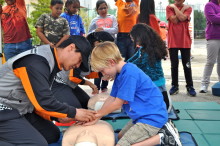
    Every 90 seconds, one person in the United States suffers from a cardiac arrest, and a large majority of those people will be given Cardiopulmonary Resuscitation (CPR) as a first aid method (Cooper et al, 2006). Since modern resuscitation has been around, it has become the only reliable way to keep a patient alive long enough while they await for further treatment.

    Despite it’s prevalence around the world, CPR as we know it today has own really been around for about 50 years. However, various forms of resuscitation have been in existence for centuries, with varying success rates.

    Here we take a journey back through the ages to see just how far resuscitation has come.

    Early Resuscitation

    Very early in human history, our ancestors made some observations about the human body in its dying stages. They noticed that the body became cold when it was dying, and so connected heat with life. This observation was the basis for their resuscitation attempts, and they would use hot material laid on the body to try bring it back to life.

    This early method is relatively tame compared to what came next over the following centuries.

    Flagellation Method – 1500 AD

    In one of the more extreme methods of resuscitation, the Flagellation Method was used – this involved whipping the victim to try and shock the body back to life (Gordon S., 1966). In some ways, the methods behind it are not completely dissimilar to the modern day defibrillators, however it rarely worked in resuscitating a patient.

    Bellows Method – 1530 AD

    In the 1530’s, the Bellows Method came about. At this stage they realised that air needed to reach the lungs, and developed a contraption called the bellows, which was actually used to put out fires in a fireplace. This method was not without its faults, however. Although used for over 300 years as the primary resuscitation method, the key problem it had was that few people would be carrying bellows with them at the right time. Doctors also had a much lesser understanding of the human respiratory system, and didn’t realise that the neck of the patient needed to be held back to open up the airways, minimise the life-saving effects. (Cooper J., 2006)

    The bellows method was discontinued in 1829, after Leroy d’Etiolles demonstrated – using an animal – that it could actually cause death by providing too much air to the patient.

    The method wasn’t completely lost in history, though – modern day bag-valve masks were based on the Bellows Method theory.

    Trotting Horse Method – 1812 AD

    One of the more unusual methods was the Trotting Horse Method. In the United States in 1812, lifeguards on beaches were equipped with a horse, which they would place a drowning victim on, and run them up and down the beach. The belief was that the movement would result in alternate compression and relaxation of the chest. It was banned just three years later due to complaints from the public about the cleanliness of the beaches. (Malek J., 2011)

    Other methods

    Other resuscitation techniques came and went throughout these years, too, including the fumigation method from 1711-1811, which involved blowing tobacco smoke into the victim’s rectum; the inversion method – first used by the Ancient Egyptians, but popularised again in the 1770’s – and had the victim hanging upside down.

    Modern Resuscitation

    Modern resuscitation, known as mouth-to-mouth resuscitation, was first proven to be an effective method of life saving in 1956, by James Elam and Peter Safar. Just a year later, the U.S. military adopted this method as it’s primary resuscitation technique.

    In 1960, cardiopulmonary resuscitation (CPR) was invented, and the American Heart Foundation were at the forefront of the the new method – training healthcare professionals and the general public across the USA. CPR went global and it is still the primary first aid method for resuscitation.

    CPR is a life-saving combination of mouth-to-mouth resuscitation and chest compressions. As well as getting much-needed oxygen into the lungs, it also triggers artificial blood circulation. (Better Health, 2014)

    Different countries and health organisations often recommend slightly varied methods of performing CPR – or more importantly, ways to remember CPR. In Australia, the New South Wales Ambulance Service recommends the acronym ‘DRS ABCD‘ : Danger, Response, Send for Help, Airway, Breathing, CPR, Defibrillation – as a way of remembering the CPR steps. Most other guidance is a variation on these key steps.

    Despite modern day resuscitation largely staying the same for the last half century, it is constantly being reviewed and tweaked. For example, health organisations are currently promoting hands-only CPR methods as opposed to a combination with mouth-to-mouth resuscitation. In 2008, the American Heart Foundation released guidelines on hands-only CPR, which advises the use of hard and fast chest compressions on a person who has gone into cardiac arrest.

    One of the most recent developments in hands-only CPR came off the back of a study from the University of Illinois College of Medicine that found that hands-only CPR is most effective when done to the beat of the Bee Gee’s aptly-named classic, ‘Stayin’ Alive’. The British Heart Foundation hired Vinnie Jones to front their effective television campaign to promote the method.

    https://www.youtube.com/watch?v=JR0aZX1_TD8

  • Alternative therapies – the facts

    Alternative therapies – the facts

    People have been using alternative therapies for thousands of years, long before scientific-based medicine became the norm. Defined as any form of medical treatment not covered by top medical school courses, alternative therapies come under many guises, from acupuncture and chiropractic to homeopathy and naturopathy.

    Many people will only use alternative therapies whereas others believe in a complementary approach, whereby elements of conventional and alternative therapies are used to get the desired result.

    Are alternative therapies a safe and effective choice? Here are the facts.

    Types of alternative therapies

    There are dozens of types of alternative therapies, which range from practitioner-based to therapies that can be completed in the home. Many of these therapies are closely aligned with each other, whereas others have very different thoughts and methods of diagnosis and treatment.

    Some of the more common types of therapies used in the developed world, as listed by the National Centre for Complementary and Alternative Medicines, include acupuncture, hypnosis, diet-based therapies (e.g. Atkins diet, South Beach diet), massage, meditation, naturopathy, yoga, chiropractic and energy healing therapy.

    Alternative therapies today

    In an American study, the 2007 National Health Interview Survey, it was found that 38 per cent of adults and 12 per cent of children had used some form of complementary or alternative therapy in the 12 months prior to the survey.

    Additionally, the survey found that Americans had spent $33.9 billion on alternative therapy services and products. As an increasing amount of funding is put into researching the benefits of alternative therapies, more people, including medical doctors, are taking it seriously.

    As an example of the effects that research can have on the uptake of an alternative medicine in the general public, in 2002 the most commonly used natural product was echinacea. By 2007, echinacea had dropped to third place and omega 3 fish oil use had drastically increased. This came after several positive studies proved the benefits of fish oil and the mainstream media jumped on it (NCCAM, 2008).

    What can alternative therapies help with

    Alternative therapies can offer relief from a wide range of health problems, and can also assist in the prevention of illness. While many of the types of alternative therapies can offer a very broad spectrum of health benefits (e.g. naturopathy), others are much more specific (e.g. chiropractic for spine-related pain relief)

    The most commonly used alternative therapies are used to treat back and neck pain, largely through the use of a chiropractor. Arthritis, anxiety, insomnia and head or chest colds are also on the list of commonly treated illnesses. (NCCAM, 2008).

    Scientific evidence

    The main problem that has always inhibited the large-scale uptake of alternative therapies is the lack and quality of scientific evidence. Instead, a lot of the claims made by providers of services and products are anecdotal.

    The popularity of alternative therapies in recent years has demanded for a more serious, scientific look into their benefits. In a positive move for the industry, the National Centre for Contemporary and Alternative Medicines (NCCAM) was established in 1999 to help fund detailed scientific-based research into the safety and efficacy of alternative and complementary therapies.

    Since then, a range of therapies have been endorsed and scientifically proven. For example, several studies into the benefits of chiropractic therapy found that spinal manipulation could provide mild-to-moderate relief from low-back pain and was proven to be as effective as conventional medical treatments (Rubinstein et al, 2011).

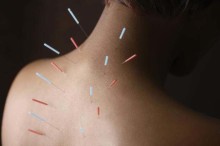
    Additionally, women are turning to acupuncture as a fertility and miscarriage prevention treatment, even more so now after scientific evidence has proven it helpful. Manheimer et al (2008) found that women who are using IVF treatment could benefit from the use of specialist fertility acupuncture.

    5 Quick facts about alternative therapies

    1. Between 60 and 80 per cent of the world’s population rely on alternative therapies as their primary choice of health care (World Health Organization, 2005)
    2. Almost 20 per cent of Fortune 500 companies offer alternative therapies as part of their health care packages for employees
    3. The National Institute of Health (NIH) currently invests about $40 million per year in complementary and alternative medicine related research (NCBI, 2012)
    4. Studies have shown that regular yoga practice can improve a variety of health problems including back pain, headaches and stress, as well as improve quality of life (Lipton, 2008)
    5. Omega 3 is the most commonly used natural product among adults in the United States, followed by glucosamine and echinacea (NCCAM, 2008)

    Additional Sources:
    http://www.sciencebasedmedicine.org/the-facts-of-the-alternative-medicine-industry/

    http://report.nih.gov/nihfactsheets/ViewFactSheet.aspx?csid=85


  • Advances in health technologies: Saunas

    Advances in health technologies: Saunas

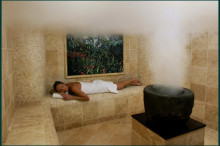
    For many, saunas are the epitome of health and wellbeing luxury. Originating in Scandinavia, they are now a staple in day spas and gyms around the world.

    However, new health technologies are coming out all the time, many offering similar health benefits to saunas but often at inflated prices. The question is, are we better off sticking to the tried and tested benefits of saunas or should we be seeking out more advanced technologies? Here are the facts.

    Health benefits of saunas

    With a sauna’s dry heat reaching temperatures of around 80C, pushing skin temperature up to 40C within minutes, are these warm, cosy rooms actually good for you?

    Studies by naturopathic physician, Dr Walter Crinnion, showed that sauna-induced sweating can help to lower blood pressure and assist with a range of chronic and acute health problems.

    Sauna therapy for chronic heart failure

    Several researchers and health practitioners praise the benefits of sauna therapy for a range of health problems.

    A study by Takashi Ohori (2011) and colleagues found that repeated sauna use could help patients with chronic heart failure. Heart failure occurs when the heart can’t pump enough blood around the body, resulting in fatigue and shortness of breath. Saunas help to increase the heart’s ability to pump blood.

    Common cold prevention

    A study by Ernst et al (1990) found that regular sauna use could probably help reduce the prevalence of the common cold. Although the authors concluded that more research was necessary, it was a good step forward in potentially preventing the thousands of deaths that occur each year from the common cold, most of which are elderly patients.

    Weight loss

    There are varying opinions on the benefits of saunas for weight loss. Most people will lose approximately one pint of sweat during an average sauna session, which can give the illusion of almost immediate weight loss. However, this weight will go back on as soon as you consume any food or fluids (JAMA, 1981).

    However, it can cause weight loss in another way. When the body is exposed to high heats, it causes the pulse rate to increase by 30 per cent or more. This causes an increase in metabolism, resulting in more calories being burned per minute than if you were sitting in front of the television, for example (Harvard University, 2005).

    Your increased metabolic rate will also continue after the sauna should you then exercise, meaning a better result from a workout.

    Muscle pain relief

    When put in a warm environment, a body’s blood circulation is increased causing strained muscles to relax.  After a workout, the heat of a sauna can help relax muscles and prevent the buildup of lactic acid and potential strains.

    Flushes toxins

    Toxins can build up in our bodies over time and one of the best ways to remove them is through deep sweating. While normal sweating will contain almost only water, deep sweating, which can be achieved in a sauna, may allow the release of chemicals such as lead, copper, zinc, nickel and mercury. These toxins get into the skin just by being surrounded by our everyday environment.

    However, some argue that although you sweat a lot in a sauna, the toxins stay in the body. Professor Donald Smith from the University of California said that almost all toxins are excreted through urine and feces, and only 1 per cent through sweat (LA Times, 2008).

    Neck and head pain reduction

    New Zealand researchers found that saunas could help ease neck and head pain in chronic sufferers. The study, led by Dr Giresh Kanji, concluded that not only could sauna sessions minimise the intensity of a headache, but could shorten its duration too.

    In his analysis, Dr Kanji said that saunas could be more effective than painkillers as they helped to treat the cause of the pain rather than mask it.

    Additional Sources:

    http://www.finnleo.com/pages/health-and-wellness.aspx#q4

    http://www.globalhealingcenter.com/natural-health/7-dangers-of-the-sauna/

    http://informahealthcare.com/doi/abs/10.3109/07853899009148930

  • The Most Useful Science Student Books for AU Universities

    The Most Useful Science Student Books for AU Universities

    Student life can be a bit of a struggle – you are at your prime, young and energetic, and you need to balance studying, fun and work, all the while trying to make ends meet on an often limited budget. Be that as it may, Australia still has some of the best universities in the world, which offer great learning opportunities to their students. When it comes to science there are a lot of options to choose, but keeping in mind that students often have to make due on a tight budget I will look into some useful general textbooks that cover all the important basics and some cost-effective purchase options. These are all textbooks that offer great information on the core principles in their respective fields and can give students a very strong scientific foundation which they can expand upon as they progress in their studies. Within this article I am going to focus just on two science fields: Bioscience and Chemistry.

    Biosciences Textbooks

    Biosciences are particularly interesting scientific branches that offer deeper insights into the way we are built, how our bodies work and how our body chemistry can be manipulated to improve health and fight disease. They also offer great career opportunities. Some great bioscience textbooks include:

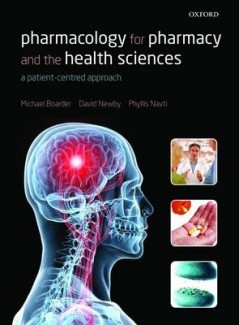
    • Pharmacology for Pharmacy and the Health Sciences – a great choice for those that want to learn about the clinical use of drugs and their effects on the human body on a cellular level. This textbook can help you built a solid knowledge base in pharmacology.
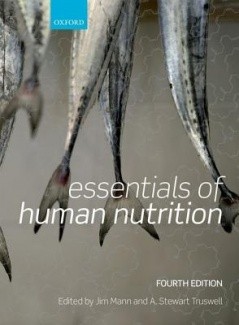
    • Essentials of Human Nutrition – a good overall choice for those who wish to familiarize themselves with the field of nutrition. The textbook gives a broad overview of the field.
    • Chemistry for the Biosciences – an overview of the core concepts of chemistry and how they affect the biological world. The textbook contains numerous analogies and real world examples which help those studying biological and biomedical science get a good understanding of this crucial information and allow them to later build upon this knowledge.

    jekkle1jekkle4jekkle2jekkle3

    Chemistry Textbooks

    Chemistry is an integral part of our daily lives and even laymen will cross paths with some of its laws during simple daily tasks. Some great textbooks every chemistry student should have by his or her side include:

    • Inorganic Chemistry, Sixth Edition – a comprehensive and easy to read textbook that covers all the fundamental principles as well as practical applications.
    • Organic Chemistry: a mechanistic approach – this textbook provides a great insight into the nature of organic compounds and their reactions and serves as an introduction into more complex subjects and deeper research.
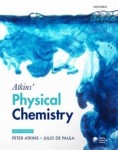
    • Atkins’ Physical Chemistry, Tenth Edition – an easy to read textbook that will allow you to quickly find all the information you need on physical chemistry. It contains information on areas such as thermodynamics, quantum theory, molecular structure and chemical kinetics.

    Many of these books you can find online and the best thing is that you can actually get used textbooks from older students, or you can get eBook versions which are significantly cheaper or you can even rent textbooks for a limited time, e.g. for a month when preparing an exam.

    All in all, these textbooks will provide you with enough material to develop a strong understanding of the basic scientific principles that you will need to call upon many times during your studies.

  • Turn Back Time

    Turn Back Time

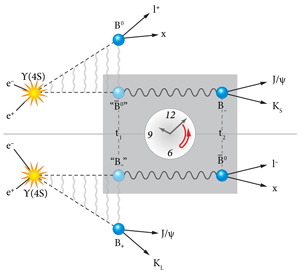
    Electron-positron collisions at SLAC produce a Υ(4s) resonance that results in an entangled pair of B mesons. Source: http://physics.aps.org/articles/v5/129

    Recall the outrageously cool movie from the 1980s, Back to the Future? Marty McFly and Doc Brown were stretching scientific boundaries, righting the future, all while making sure not to meet their future selves. Fast-forward and time travel may be closer than we think. (Close, relatively speaking of course.)

    If you like exceptions to the rule, well, you’re in luck because the Department of Energy’s (DOE) SLAC National Accelerator Laboratory has achieved something quite impressive – the BaBar experiment.

    The BaBar experiment investigates the most fundamental questions about the universe by getting back to basics with elementary particles. It’s a global collaboration of physicists delving into the nature of antimatter, the relationship of quarks and leptons and crossing over into areas of physics yet to be explored.

    Earlier this week, scientists working on the BaBar project made the first direct observation of a violation to the concept known as time reversal symmetry. Their work was published in Physical Review Letters if you want to journey into the world of  B mesons.

    How did they do it?

    Data from billions of particle collisions, nearly 10 years worth, were poured over and sifted through by researchers on this project. They examined a chain of particle transformations in which B mesons flipped between two different states called B-zero and B-even. This quantum entanglement of B mesons enables information about the first decaying particle to be used to determine the state of its partner at the time of the decay. This allowed the team to find that these transformations happened six times more often in one direction than the other.

    Largely by thinking there was something wrong with the picture they were looking at was how missing pieces of the puzzle were filled in, according to the physics coordinator for BaBar, Fabio Anulli of the National Institute for Nuclear Physics in Rome. The BaBar data they had showed evidence of change-parity symmetry violation, so this was a good place to start looking. In fact, just looking at the data in a slightly different way allowed them to the see time violation.

    Given the abundance of data the BaBar team had to work with, they were able to measure the T-violation to the 14 sigma level – a high level of statistical significance. Basically meaning there is only 1 chance in 1043 that this effect is not real. Recall the Higgs boson discovery this past summer; that was granted a 5 sigma level. The results demonstrate that the direction of time matters, at least for some elementary particle processes. This provides a strong confirmation that a few subatomic processes like to do things on their own schedule – they have a preferred direction of time, changing into one another much more often in one way, than they change in the other. Time does not run the same forwards as backwards.

    The findings – full of futuristic possibilities

    What does this mean for the future? This discovery may rock our world in ways we haven’t even conceived of yet. It could have implications for business, for communications, for me getting to Brisbane instantaneously without first stopping for a layover at LAX. We may have perhaps inched closer to that time travelling ease marvelously displayed in Star Trek. Stay tuned.

    Discoveries such as this make us think about the beauty of science. The vectors and numbers and B mesons – scientists work that stuff out to provide the beautiful possibilities that are so important to the human race. It may be small now, but we’re definitely on to something bigger. Think how many picture frames we may just be able to tilt to get the answers we seek.


  • Weekly Science Picks

    Weekly Science Picks

    It seems the rate of everything has increased exponentially. A very bold, vague, yet intriguing statement, you might say.

    During the course of the past 2 weeks, Hurricane Sandy devastated the East Coast of America, followed closely by a nor’easter. So my science picks for this week center on the themes of natural disasters, planning, global warming and Space, and the rate of which we have to increase our thinking and innovation in order to get ahead of these issues, before they become serious problems.

    So let’s get started.

    I was out of town when Hurricane Sandy struck. My neighborhood in Brooklyn was pretty much untouched. While I heard reports from friends not having power, and subways and airports being closed, it wasn’t until watching the hurricane relief telethon that I realized the magnitude of destruction. And I chose the following article by our very own Charles Ebikeme because it is important to remember that Haiti has yet to recover from several rounds of natural disasters. The U.S. will rebuild. Considering a large portion of the Haitian population still remains housed in tents from the earthquake, will they be able to rebuild? Before the next natural disaster strikes?

    Sandy’s aftermath by Charles Ebikeme

    While most of the focus of western media centred on the damage Sandy caused in America, especially this close to a Presidential election; there were few news outlets that reported what had passed in the Caribbean — outside the death tolls and damaged infrastructure. Indeed, as it is becoming more and more apparent, it is always the blogosphere that provides an adequate source of information. Hurricane Sandy’s progression was followed by bloggers on the ground, giving another side of the story we don’t often get to see.

    But it is in Haiti, a country that has yet to recover from tropical storm Isaac that hit in August of this year, as well as the earthquake of 2010, that felt the worst of Sandy’s wrath. 1.8 million people in Haiti are affected by the storm, according to the United Nations relief agency.

    This next story appears in the current issue of Scientific American and drives home the point why immediate action on climate change, energy and planning (community planning) is necessary to attempt to prevent incidences such as Sandy, or at least lessen the amount of destruction as much as possible. Obama won re-election this week. And while there is no shortage of issues to tackle, the President needs to implement an energy policy for this country. And it’s called global warming, so I hope the world can come together within the next four years and knock out a sound plan.

    Global Warming: Faster Than Expected? by John Carey

    The potential for faster feedbacks has turned some scientists into vocal Cassandras. Those experts are saying that even if nations do suddenly get serious about reducing greenhouse gas emissions enough to stay under the 450-ppm limit, which seems increasingly unlikely, that could be too little, too late. Unless the world slashes CO2 levels back to 350 ppm, “we will have started a process that is out of humanity’s control,

  • The Continuing Saga of the Genetically Modified Plant

    The Continuing Saga of the Genetically Modified Plant

    Mutant Fruits, Photo Source: Wikipedia

    GM (Genetically Modified) Foods

    “Jack! Did you see that potato move?! He’s a GM, that one, he’s sprouted eyes and I bet he’ll grow legs next! He’s gonna round up his buddies and take over the farm!

  • Weekly Science Picks

    Weekly Science Picks

    So much science, so little time… – Photo credit, Leo Reynolds

    Sigh, my photo caption sums it all up…

    But here are the news stories that caught my eye and I hope you find them interesting as well. Maybe reading them will inspire your own work or to dig deeper for answers. In any case, enjoy!


    This is one of my favorite topics because it offers up rampant debate on so many topics – society, education, cognition. You’re just going to have to read it for yourself.

    This Is Your Brain on the Internet (Maybe) by Kyle Hill

    So what is the Internet doing to our thinking? It is hard to say. Current research has a hard time keeping up with the break-neck pace of online culture, and only the more conventional mediums like television and newspapers have been evaluated in any rigorous sense.


    Newspapers might be old school, but they do have an online media presence as well these days. This article was published in The Australian this week and concerns Australia’s own CSIRO. Genetically modified crops and foods have been a part of our collective diet for many years, whether or not some want to admit it. And they are here to stay. I am of the opinion that they play an important role in our food security given a number of ever changing variables in our environment. The usual characters are depicted in this piece and it will be interesting to follow this story and hear the response from CSIRO.

    Scientists Wary of CSIRO GM Crop by Adam Cresswell

    SCIENTISTS from three countries are warning a CSIRO-led push to make Australia the first nation in the world to introduce genetically modified wheat crops could pose a significant health threat to humans and other animals.


    If you haven’t heard, NYC Mayor Mike Bloomberg has banned sugary soft drink sales in cups larger than 16 0z. in his efforts to personally tackle the obesity epidemic. I feel some disclaimers are in order: One, this story did appear on www.bloomberg.com, but you could have found it in a variety of online publications; and two, I serve on the Mayor’s Best Practices Partnership to identify strategies to combat childhood obesity. That being said, I find the details of the ban interesting as you can see in the quote below. I personally do not see the need for a a 32 oz. soda, but people who want their sugary fix will do some quick addition, carry more cans or bottles and walk to get more refills. Oh, how long must we wait for data on this?!

    NYC Health Panel Backs Bloomberg Ban on Super-Size Sodas by Henry Goldman and Leslie Patton

    Restaurants, movie theaters and other outlets have six months to comply or face a $200 fine each time there’s a violation, the health department said. The ban doesn’t apply to convenience stores and groceries that don’t act primarily as purveyors of prepared foods, which are regulated by New York state. The rules do allow consumers to buy as many of the smaller drinks as they want and to get refills.


    To continue with the discussion on obesity, this is an interesting read which once again highlights the genetics vs. environment debate.

    What’s the Main Cause of Obesity – Our Genes or the Environment? from ScienceDaily with resources from the BMJ (British Medical Journal)

    The ongoing obesity epidemic is creating an unprecedented challenge for healthcare systems around the world, but what determines who gets fat?


    And one last article that I thought was noteworthy, and a bit on the strange side by the title:

    Chemists Develop Nose-Like Array to ‘Smell’ Cancer from ScienceDaily, findings appear in the current issue of the journal ACS Nano

    The chemist says, “Smell ‘A’ generates a pattern in the nose, a unique set of activated receptors, and these are different for every smell we encounter. Smell ‘B’ has a different pattern. Your brain will instantly recognize each, even if the only time you ever smelled it was 40 years ago. In the same way, we can tune or teach our nanoparticle array to recognize many healthy tissues, so it can immediately recognize something that’s even a little bit ‘off,’ that is, very subtly different from normal. It’s like a ‘check engine’ light, and assigns a different pattern to each ‘wrong’ tissue. The sensitivity is exquisite, and very powerful.”

  • An outdated appetite control system in a rapidly evolving world?

    An outdated appetite control system in a rapidly evolving world?

    Imagine yourself for a moment waiting for a meal at your favourite restaurant, local takeaway store or at home counting down the time until the oven buzzer sounds. You know you’re hungry, but we seldom think or care about the complex series of processes that go on inside our bodies that drive that hunger.
    And why should we care?

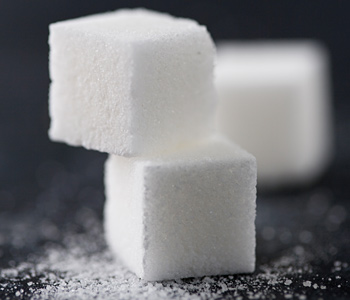
    In the developed world, for the lucky majority at least, calorie-dense food has never been more accessible. Want a pizza? Just use an app from your smartphone to order one delivered any time, day or night. The one big problem with this–human appetite has evolved over tens of thousands of years when food was tough to come by, and we had to work physically hard for a meal, now we just go to the fridge. However the series of long developed processes that drive appetite have not caught up in this time of plenty thereby contributing to the modern day upsurge in obesity.

    Obesity as a global problem

    Obesity is a global disease on the increase, the World Health Organisation estimates that by 2015 there will be an astounding 700 million adults classified as obese. From a health viewpoint this is particularly worrying as obesity is a major risk factor for cardiovascular diseases, Type-2 diabetes and some cancers.

    Also concerning, is the number of people in developing countries at risk, where the bane of obesity joins established under-nutrition. Dr Ranjan Yajnik, the director of the diabetes unit at King Edward Memorial Hospital in Pune, was recently reported by ABC News saying, “Populations which have faced under-nutrition for a long time are now exposed to the over-nutrition of the modern world through globalisation and westernisation”.

    In short, it’s the modern world and how we live in it which is driving up rates of obesity.

    An unbalanced system?

    In broad terms, the body is wired to protect against starvation and low food availability, by increasing biological and sensory processes that promote the need to eat. This makes sense, after all starvation is an immediate threat to survival and was by far one of the greatest concerns of our ancient ancestors. As excessive food was less of a concern, the regulatory processes to protect against excess consumption and weight gain appear less effective, leading to the body favouring weight gain over weight loss.
    Combine this with the increased availability of highly palatable foods, and the ability to stop eating when full is increasingly difficult. According to Dr. Joanne Harrold and colleagues, in a recent paper published in the journal Neoropharmacology, this may be especially true for many obese people, who may “possess an over-responsiveness to the reward effects of eating, which results in the appetite system of these people being effectively overwhelmed

  • A Tankful of Sugar

    A Tankful of Sugar

    E=Sugar^3

    Remember those toy trucks, the 18-wheelers (tractor-trailers) that gas companies manufactured? If you grew up in the 80’s, and were a boy or had a brother, or just loved trucks, your dad probably bought one for Christmas. My brother and I would build towns out of Lincoln Logs and Legos and we would wait for the weekly delivery of gasoline from my brother’s Amoco truck to our “town’s

  • The Devil’s Technology

    The Devil’s Technology

    Biotechnology is rarely considered to be good for the environment. In fact, environmental campaigners frequently claim that genetically modified organisms represent a major threat to biodiversity and ecosystems. However, the study of the Tasmanian Devil Facial Tumour disease (DFTD) using genetic technologies is an example where biotechnology has been used to create a definite environmental benefit.
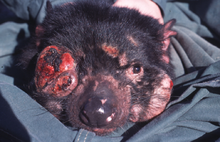

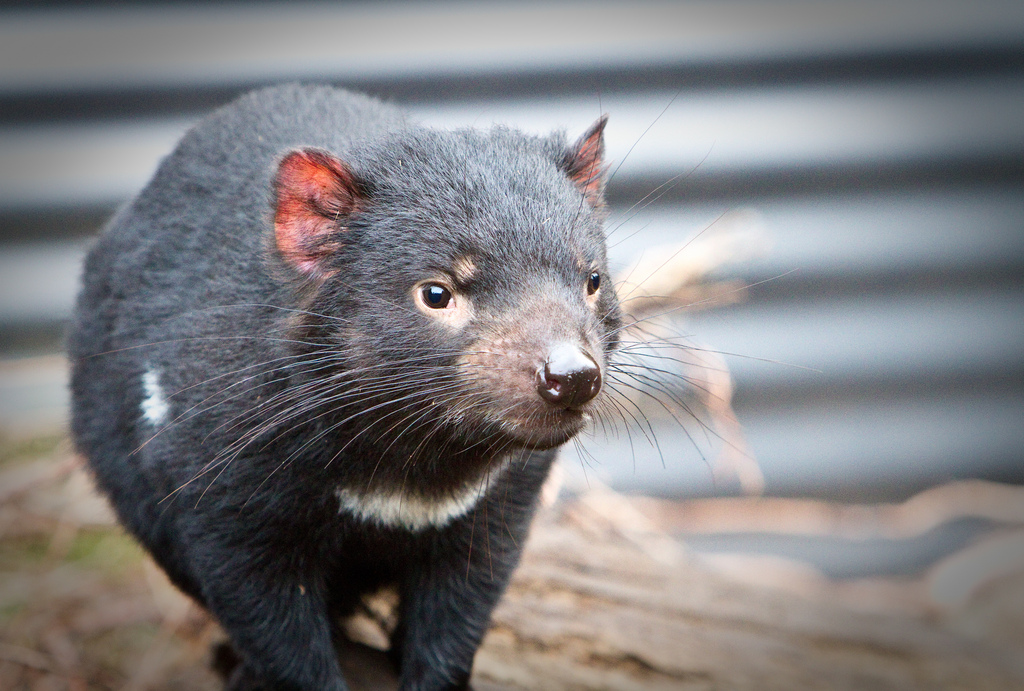
    The Tasmanian Devil (Sarcophilius harrisi) is Australia’s largest surviving carnivore and endemic to the island of Tasmania. DFTD induces cancerous tumours on the face and inside the mouth of affected animals which die within months. The condition was first observed in north-eastern Tasmania in 1996. DFTD, like other cancers, is caused when mutations within a cell prompt it to switch from normal function into tumorous growth. Cancers are considered non-contagious as the tumour is contained within the body and is unable to spread to alternative hosts. Furthermore, the immune system of any alternative host would normally recognise any foreign tumour cells that managed to invade the body, and quickly kill them before the disease becomes established. However, the DFTD is exceptional in that it is readily transmitted between individuals of the same species, and this has resulted in the disease rapidly sweeping across the island and threatening the entire species with extinction.

    In order to better understand the DFTD, an international team of scientists has sequenced the entire genome of the Tasmanian Devil and identified mutations underlying DFTD. The results were recently published in the scientific journal Cell. This biotechnological research surprisingly identified that none of the tumours originated in any of the hosts examined. Instead, they were able to trace them all back to one cancerous cell from within a female devil, possibly in the early 1990s. This radical and unusual tumour had developed the ability to jump from individual to individual in a uniquely contagious manner, so spreading the disease across the species.

    The Tasmanina devil facial tumour.

    Using the genetic sequence information, the researchers were able to discount the involvement of a virus in the transmission of DFTD. Instead they were able to identify a new and radical form of transmission. Devils often bite each other in the face during eating and feeding behaviours. During biting, fragments of tumour from an affected individual become implanted in an almost vampiric manner in a new and healthy individual.

    The scientists also discovered that the DFTD tumour carries a mutation in a gene that plays a critical role in regulating the host’s immune reaction. From this, they concluded that the tumour cells are able to interfere with the host’s immune system immediately after implantation, The disrupted immune system is unable to kill the tumour, thereby ensuring the survival of the disease in the new individual.

    The results of this study have provided valuable insight into the management of the DFTD and the conservation of the Tasmanian Devil. Because the condition is only transmitted through the bite from a diseased individual, the disease can be effectively controlled by quarantining healthy populations from diseased. The condition will then be naturally eliminated as diseased individuals die off from within the affected population. Such a policy has already been implemented with the Tasmanian Department of Primary Industries, Water and Environment who have been identifying and quarantining disease free populations within the island. Individuals from the protected population may then be re-introduced into the Tasmanian Devil’s former habitat once the disease threat has passed.

    Despite the frequently cited threats that biotechnology poses to the environment, the application of gene sequencing technologies to the DFTD is an example of how biotechnology might be adopted to solve major environmental problems. In fact, the outcome of this gene sequencing project has contributed to a management plan that might yet save the Tasmanian Devil from extinction and conserve an important component of Australia’s unique biodiversity.

    Image source

  • BioGrid Australia links data to show bowel cancer screening is making impact on patient survival rate

    BioGrid Australia links data to show bowel cancer screening is making impact on patient survival rate

    BioGrid Australia links data to show bowel cancer screening is making impact on patient survival rate.

    Victorian researchers have been able to confirm that the national bowel cancer screening program is making a major impact on patient survival.

    Using data made available through BioGrid Australia, the researchers have shown that patients diagnosed as a result of a positive screening test have a much higher survival rate than patients presenting with symptoms.

    Maureen Turner, CEO of BioGrid Australia, said today that recent analysis from six Victorian hospitals has shown an increased number of early stage cancers diagnosed via the bowel screening programs (43% versus 19%) and a reduced number of patients with advanced cancer (4% versus 18%),² she said.

    This research is further confirmation of the value of the national bowel cancer screening program and the valuable contribution that BioGrid Australia, an innovative medical research platform, is making to furthering our understanding of cancers and other diseases,² she said.

    Dr Peter Gibbs and colleagues analysed diagnosis and survival information for 103 patients (all of whom had no symptoms of cancer) diagnosed as the result of a positive stool screening test on the national program.

    The patients attended six hospitals in Melbourne: Royal Melbourne, Royal Melbourne Private, Western Hospital, Western Private, Box Hill and Epworth Eastern. These patients were diagnosed between May 2006 and 2012 and their results were compared to 793 patients of the same age presenting with symptoms over the same timeframe.

    ³This analysis confirms that patients with a bowel cancer detected by a screening test, long before any symptoms have appeared, have a much improved outcome, with a projected five year survival of 95% compared to 73% for patients of the same age who were diagnosed with symptoms² said Dr Gibbs.

    ³This research yet again emphasises the ongoing need for and value of Australia¹s national bowel screening program which is leading to better survival rates as a direct result of earlier diagnosis.² Data available through BioGrid Australia was previously used in a campaign to extend the Australian National Bowel Cancer Screening Program to 60 and 70 year olds, by demonstrating the potential savings of early bowel cancer diagnosis.

    The research released in 2010 showed that annual bowel cancer treatment costs was likely to increase four-fold to $1 billion over 10 years by 2011, strengthening the economic case for expanding the Government¹s National Bowel Cancer Screening Program. The study by Victorian researchers supported by BioGrid Australia combined Australian screening data with treatment costs and survival rates, providing new evidence of the program¹s economic and social benefits. The researchers determined the cost of treating any one patient with bowel cancer at about $55,000 a patient.

    Due to the cost of expensive new therapies treating stage 3 (more advanced) cancers tripled from $25,000 in 1999 to $75,000 and for stage 4 (most advanced), the cost has significantly escalated 10 fold from $6,000 to $61,000. By screening leading to the detection of early stage cancers which can be dealt with by surgery alone, the substantial cost of treating later stage cancers, including the use of expensive chemotherapy drugs, are avoided. The data available through BioGrid was able to show the cost effectiveness of screening.

    The free National Bowel Cancer Screening Program was introduced in 2006. In the 2012 ­ 2013 Federal Budget, the program was expanded to include Australians turning 60 years of age from 2013 and those turning 70 years of age from 2015.

    The expansion of the screening program means that an estimated 1,000 early cancers will be detected each year and between 300 and 500 lives saved annually. This will significantly reduce the burden of bowel cancer on Australians and their families. Bowel cancer is the second most commonly diagnosed cancer in Australia, with annually more than 13,000 cases and 4,100 deaths from this disease.

    BioGrid Australia

    BioGrid Australia (www.biogrid.org.au) is an innovative medical research platform that facilitates privacy-protected research across many hospitals and medical research institutes. BioGrid provides an online Access Request System by which researchers can apply for access to specific databases.  Through this system, the data custodians approve access to their data and a Scientific Expert Review Committee assesses the proposed investigation providing formal ethics approval. Once authorised, researchers can access de-identified data for specified research.

    Issued on behalf of BioGrid Australia.

    Image source.