Author: Editorial Board

  • Arctic sea ice extent is plummeting to a likely new record low

    Arctic sea ice extent is plummeting to a likely new record low

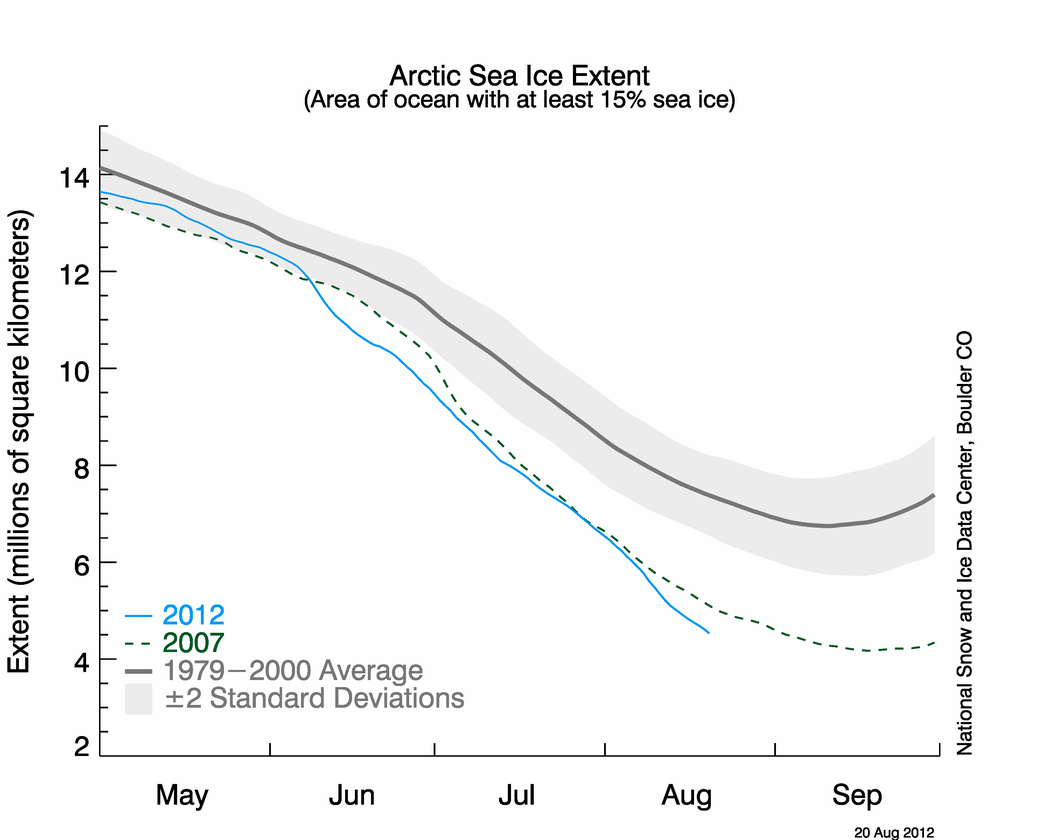
    The plot is from US National Snow and Ice Data Center (NSIDC) and shows the Arctic sea ice extent data for the melt seasons of 2007 and 2012 alongside the 1979-1999 average. 2007 was a record low year, but with about three weeks of melt season left it looks likely that 2012 will set a new and decisive record low. While individual years have a small degree of variation, overall the long term trend is quite markedly downwards.

    There is a design and principle on which to earth functions.
    The world needs to review its knowledge base, its functioning, in terms of energy to matter ratio that earth strives to maintain. Unless we awaken to understand the energy cycle in which we live and how earth is designed to sustain certain ratio of energy to matter, we are doomed for huge destruction. The increasing heat in the environment is creating disorder. Time earth gets to convert heat into biological mass is critically reduced. Consequently disorder is peaking stressing every ecological system and life in it. Noble Laureate James Lovelock has predicted destruction through increasing heat. We need to quickly evolve in our understanding of nature to survive on earth. Some organization or institution and the media should take up to awaken the world – read a small article and awaken and call the world’s attention – “Critical Thinking on Global Warming and Increasing Climate Catastrophes” by John Paily http://www.scribd.com/doc/101836445

    For more information, see http://nsidc.org/arcticseaicenews/ which is frequently updated.

    NSIDC’s calculations are echoed by those of other agencies, of which the most important is perhaps the Japanese Aerospace Exploration Agency (JAXA).

    See http://www.ijis.iarc.uaf.edu/en/home/seaice_extent.htm which is also frequently updated.

  • We Support the Petition to End the Faroe Islands’ Whale & Dolphin Slaughter

    We Support the Petition to End the Faroe Islands’ Whale & Dolphin Slaughter

    Thousands of signatures have now been presented in person to the Faroe Islands Government. Add your voice to this petition to keep up the demand until this cruel whale slaughter is banned.

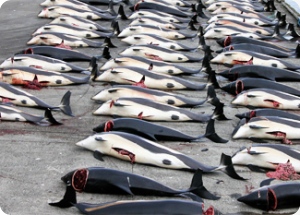
    Hundreds of pilot whales are slaughtered every year on the Faroe Islands, a small group of islands north of Europe. Faroe men go out with boats to drive these animals into a fjord using nets to block their way back to sea. The whales then beach themselves, or are pulled ashore with a blunt hook lodged in their blowholes. Once beached and defenceless these whales are killed by having their spinal cords and major blood vessels cut. It can take up to three and a half minutes for a whale to eventually die.

    Other than pilot whales, several species of dolphins are also killed using these same methods.

    Due to the harsh climate that makes it difficult to grow food on the Faroe Islands, the meat and blubber of these animals was once an important part of the diet of the Faroe people. But nowadays their food supply is diverse and plentiful, the cruel whale and dolphin hunt continues primarily for the sake of ‘tradition’.

    Please show the Faroe Islands that the international community is strongly opposed to this cruel slaughter by signing this petition to the Faroe Islands Prime Minister. Petition Tally by  August 16 2012: 81,718 signatures.

  • Internet Society’s African Peering and Interconnection Forum Provides Opportunities for Regional Internet Growth

    Internet Society’s African Peering and Interconnection Forum Provides Opportunities for Regional Internet Growth

    AfPIF-3 Highlights Regional Interconnection – Addressing Africa’s Internet Transit Deficit

    © Internet Society/Shoot the Earth/ Nyani Quarmyne

    [Washington, D.C. and Geneva, Switzerland –13 August 2012] – The third African
    Peering and Interconnection Forum (AfPIF-3), organized by the Internet Society, will
    be held 22-24 August 2012 in Johannesburg, South Africa. A multistakeholder forum,
    AfPIF aims to foster national and cross-border interconnection opportunities where
    key stakeholders, including infrastructure and service providers, Internet Exchange
    Points (IXPs), regulators, and policy makers can share experiences, hear from
    experts, and advance peering and interconnection arrangements.

    According to recent research, nearly all peering and interconnection agreements are
    forged at regional and global peering forums around the world. A unique regional
    forum, AfPIF facilitates discussions on infrastructure challenges, including
    terrestrial capacity issues, national and regional IXP development, local content
    development, and international peering. AfPIF provides a venue for productive
    technical discussions and business relationships that can be forged to augment
    Internet infrastructure and services in Africa.

    Keynotes and panel sessions will cover topics that address Africa’s Internet transit
    deficit, including Peering Negotiations and Strategies for Operators, Peering and
    Transit Economics, Landlocked Countries and Cross-border Regulatory Reality,
    Exploring the Content Business in Africa, and Attracting Global Content via Regional
    IXPs.

    “AfPIF has established itself as a strategic event for conducting business in
    Africa,

  • Adapting Drinking Water Resources to the Impacts of Climate change in Europe – ADWICE Stakeholder Exchange Conference 2012

    Adapting Drinking Water Resources to the Impacts of Climate change in Europe – ADWICE Stakeholder Exchange Conference 2012

    The ADWICE Stakeholder Conference will take place on 2 October 2012 in Brussels, Belgium. The event will offer a platform for dialogue for understanding the vulnerability of drinking water resources, water quality and water abstraction infrastructures to local, national and European decision makers, experts and researchers, water supplier and river basin authorities.

    The one-day conference represents a valuable opportunity to share knowledge and experiences and to reflect on what kind of measures may be taken to mitigate or to adapt to it.

    The one-day conference will present and discuss the draft results of the literature study conducted by a team led by BIO Intelligent Service, in collaboration with Cranfield University, Water Research Institute (IRSA), National Institute of Hydrology and Water Management (NIHWM) and ICLEI- Europe, for the European Commission (DG ENV). The event will offer a platform to share knowledge and experiences among scientific researchers, local government leaders, national policy-makers and representatives of European institutions and to receive feedback from stakeholder while gathering illustrations and best practices. 

    The morning session will provide inputs for further work while discussing the existing knowledge. The afternoon will be dedicated to highly interactive specific discussions with invited stakeholders and experts to explore different facets of this important topic in detail.

    The conference is free of charge, though early registration is recommended to secure a place.

    For further information, visit http://adwice.biois.com/conference or contact us at adwice-conference@biois.com

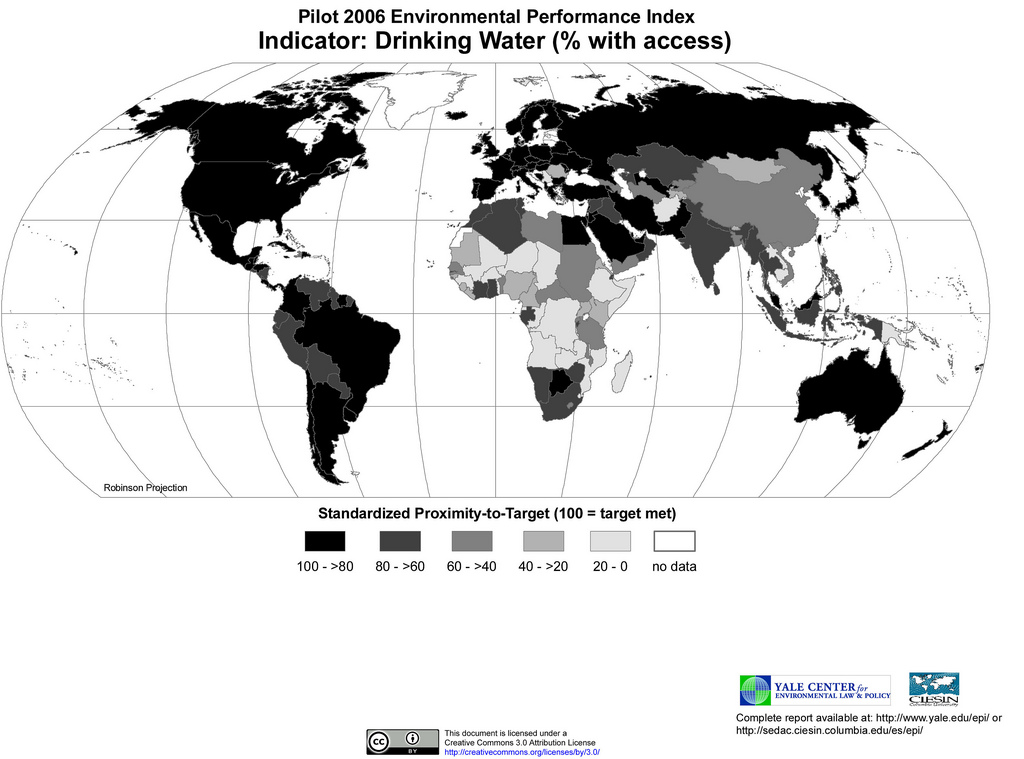
    Drinking Water expressed in % with access


    Image source

  • Gale Crater Vista on Mars

    Gale Crater Vista on Mars

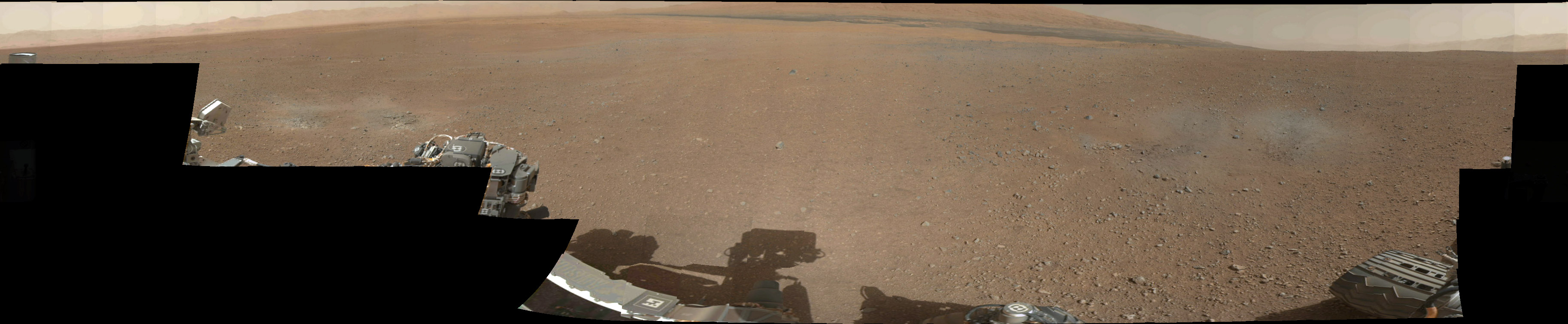
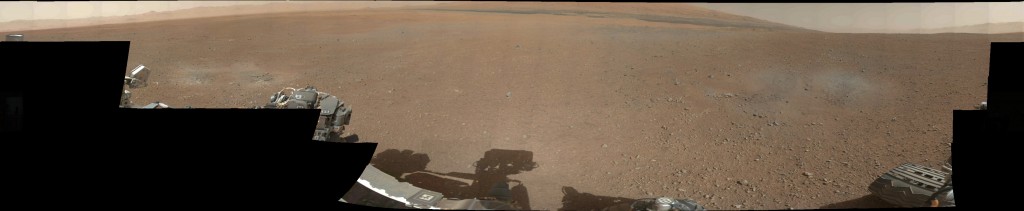
    This is the first 360-degree panorama in color of the Gale Crater landing site taken by NASA’s Curiosity rover. The panorama was made from thumbnail versions of images taken by the Mast Camera.

    Scientists will take a closer look at several splotches in the foreground that appear gray. These areas show the effects of the descent stage’s rocket engines blasting the ground. What appeared as a dark strip of dunes in previous, black-and-white pictures from Curiosity can be seen along the top of this mosaic, but the color images also reveal additional shades of reddish brown around the dunes, likely indicating different textures or materials.

    The images were taken on Aug. 9, 2012, by the 34-millimeter Mast Camera. This panorama mosaic was made of 130 images of 144 by 144 pixels each. Selected full frames from this panorama, which are 1,200 by 1,200 pixels each, are expected to be transmitted to Earth later. The images in this panorama were brightened in the processing. Mars only receives half the sunlight Earth does and this image was taken in the late Martian afternoon.

    Image Credit: NASA/JPL-Caltech/MSSS


  • Call for Papers “Big Data, Big Questions, or, Accounting for Big Data

    Call for Papers “Big Data, Big Questions, or, Accounting for Big Data

    Call for Papers “Big Data, Big Questions, or, Accounting for Big Data

  • First Color Image of the Martian Landscape from Curiosity

    First Color Image of the Martian Landscape from Curiosity

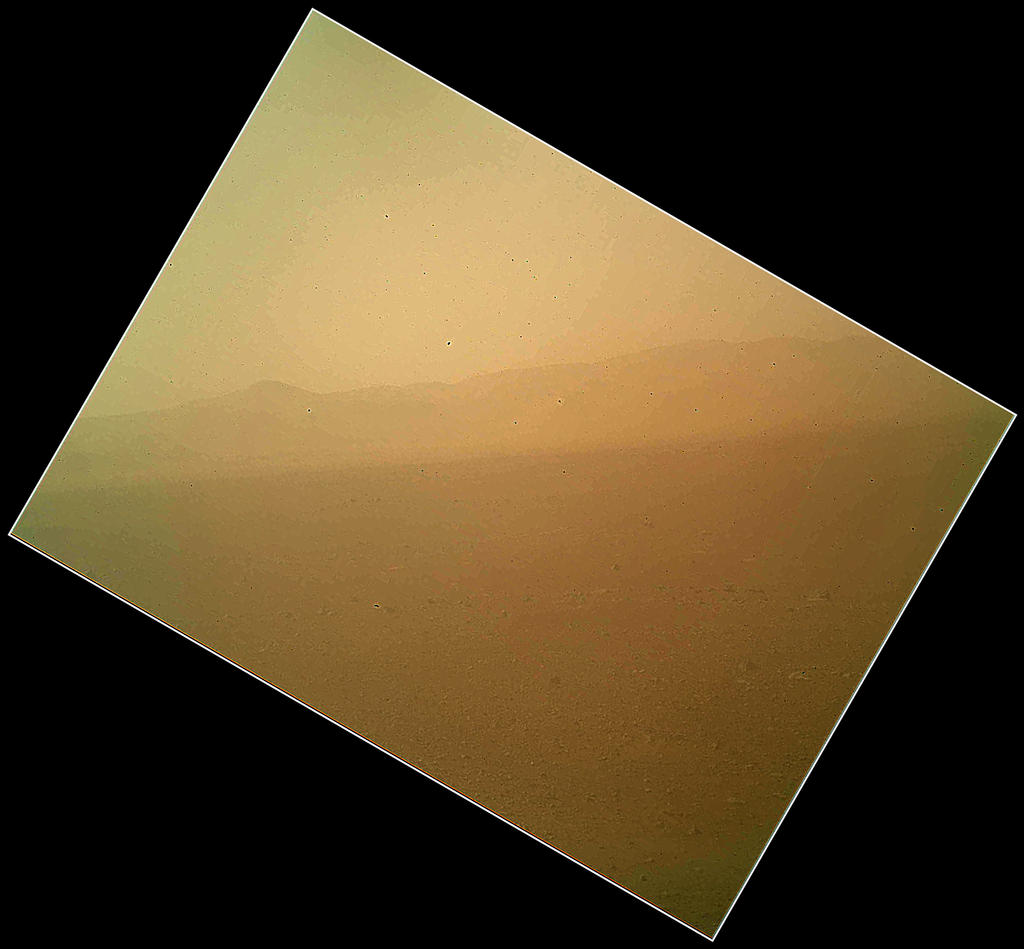
    This view of the landscape to the north of NASA’s Mars rover Curiosity acquired by the Mars Hand Lens Imager (MAHLI) on the afternoon of the first day after landing. (The team calls this day Sol 1, which is the first Martian day of operations; Sol 1 began on Aug. 6, 2012.)

    In the distance, the image shows the north wall and rim of Gale Crater. The image is murky because the MAHLI’s removable dust cover is apparently coated with dust blown onto the camera during the rover’s terminal descent. Images taken without the dust cover in place are expected during checkout of the robotic arm in coming weeks.

    First Color Image of the Martian Landscape Returned from Curiosity

    The MAHLI is located on the turret at the end of Curiosity’s robotic arm. At the time the MAHLI Sol 1 image was acquired, the robotic arm was in its stowed position. It has been stowed since the rover was packaged for its Nov. 26, 2011, launch.

    The MAHLI has a transparent dust cover. This image was acquired with the dust cover closed. The cover will not be opened until more than a week after the landing.

    When the robotic arm, turret, and MAHLI are stowed, the MAHLI is in a position that is rotated 30 degrees relative to the rover deck. The MAHLI image shown here has been rotated to correct for that tilt, so that the sky is “up” and the ground is “down”.

    When the robotic arm, turret, and MAHLI are stowed, the MAHLI is looking out from the front left side of the rover. This is much like the view from the driver’s side of cars sold in the USA.

    The main purpose of Curiosity’s MAHLI camera is to acquire close-up, high-resolution views of rocks and soil at the rover’s Gale Crater field site. The camera is capable of focusing on any target at distances of about 0.8 inch (2.1 centimeters) to infinity. This means it can, as shown here, also obtain pictures of the Martian landscape.

    Image Credit: NASA/JPL-Caltech/Malin Space Science Systems

    Source

  • Explore the World with Google Earth Engine

    Explore the World with Google Earth Engine

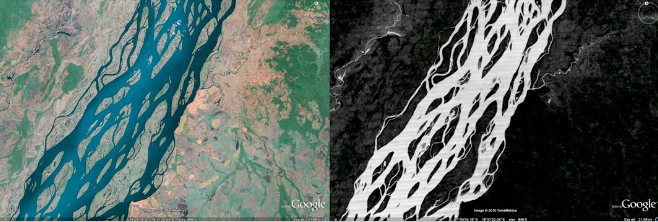
    Last week marked the 40th anniversary of the Landsat satellite program (http://landsat.gsfc.nasa.gov/) —now the longest-running continuous acquisition of satellite images of the Earth’s surface. The entire Landsat7 imagery archives are publicly accessible through Google Earth Engine (http://goo.gl/fjTZL), with a new and improved featured gallery, which includes zoomable time-lapse videos and a beautiful new interface: http://earthengine.google.org/#intro!

    Google Earth Engine enables scientists to use our extensive computing infrastructure—the Google cloud—to analyze an unprecedented amount of satellite imagery and data. The new gallery includes what may be the largest video frame ever created. At 1.78 terapixels, if you tried to view all at once, it would take 18 football fields’ worth of computer screens laid side-by-side.

    Google Earth Engine technology has already been used to compute the forested areas of Mexico (http://earthengine.google.org/#intro/MexicoTreeCover), identify deforestation in the Amazon (Monitoring Forests From the Ground to the Cloud) and map roadless areas of the world (http://earthengine.google.org/#intro/Roadless1km).

    We look forward to seeing the full potential of the Landsat archives revealed, as Google Earth Engine and other tools enable non-professionals to explore this valuable trove of data.

    Source.

  • Social networks and culture among dolphins

    Social networks and culture among dolphins

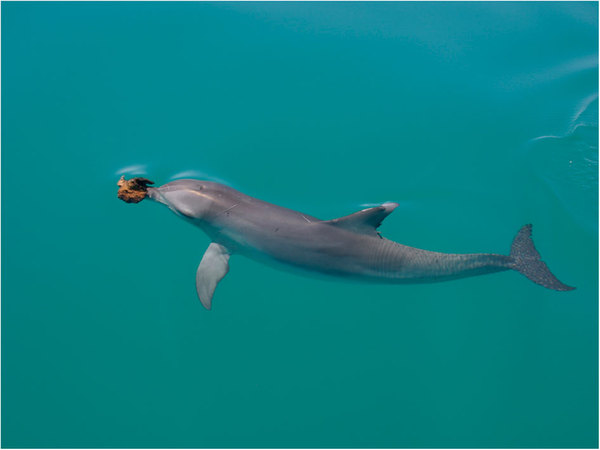
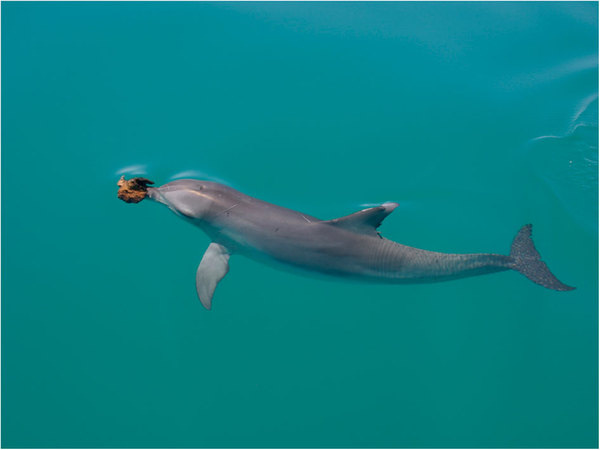
    Recently published research in Nature Communications ‘Social networks reveal cultural behaviour in tool-using using dolphins‘ is exploring social networks of dolphins. In particular, it finds evidence for homophily on a learned skill which leads that there’s an exclusion and cultural contagion even among cetaceans.

    Abstract

    Animal tool use is of inherent interest given its relationship to intelligence, innovation and cultural behaviour. Here we investigate whether Shark Bay bottlenose dolphins that use marine sponges as hunting tools (spongers) are culturally distinct from other dolphins in the population based on the criteria that sponging is both socially learned and distinguishes between groups. We use social network analysis to determine social preferences among 36 spongers and 69 non-spongers sampled over a 22-year period while controlling for location, sex and matrilineal relatedness. Homophily (the tendency to associate with similar others) based on tool-using status was evident in every analysis, although maternal kinship, sex and location also contributed to social preference. Female spongers were more cliquish and preferentially associated with other spongers over non-spongers. Like humans who preferentially associate with others who share their subculture, tool-using dolphins prefer others like themselves, strongly suggesting that sponge tool-use is a cultural behaviour.

    Photo by Ewa Krzyszczyk; http://www.monkeymiadolphins.org.
    For centuries, philosophers and scientists have debated whether cultural behaviour distinguishes Homo from all other taxa12. Whether non-human animals have at least rudimentary culture is contested, partly because scholars disagree on the definition of culture and/or what type of supporting evidence is needed2. To empirically investigate whether or not a given species has ‘culture,’ the term must be operationally defined. Regardless of discipline, scholars agree that some form of social learning is a prerequisite and that culture is a source of uniformity within groups and differences between groups3, but the consensus ends here. Social learning is defined as learning (behaviour matching) that is influenced by observation of, or interaction with another animal or its products45. Some definitions of culture require more complex cognitive social learning mechanisms, such as pedagogy, theory of mind and imitation67. In most animal culture studies, examination of behavioural variation within and between groups is fairly straightforward as animals are either geographically or socially segregated2. However, ‘group’ is not easily defined in all animal societies. Like humans, Shark Bay bottlenose dolphins live in an open community, characterized by high fission–fusion dynamics where members maintain long-term preferential bonds, but associations are temporally and spatially variable across minutes, days and years8. The question is therefore whether dolphins that use sponge tools (spongers) to extract prey910 exhibit homophily (the tendency to associate with similar others), based on this socially learned foraging tactic1011.

    In Shark Bay, Australia, a subset of the community of Indo-Pacific bottlenose dolphins (Tursiops sp.) procure and wear basket sponges on their beaks while lightly scouring the seafloor for prey in deep (8–13 m) channels (Fig. 1)9101112. Sponging is the best-documented case of tool use by wild cetaceans and is unique among wildlife in that only a small subset of the population uses tools. This exceptional case of tool-use heterogeneity allows us to test for preferential affiliation based on tool-use. To date, 55 dolphins have been documented habitually using sponges in the eastern gulf of Shark Bay12, although sponging also occurs in the western gulf13. Only calves of spongers become spongers (24 offspring to date), but 8 offspring of spongers never adopted sponging. Sponging is a solitary activity, but calves accompany their mothers during sponging and vertical social learning is strongly implicated as the primary mechanism of transmission101114, consistent with mitochondrial DNA analysis1315

    Full paper link.

  • Open Knowledge In Action: Open Data Academic Research #CfP

    Open Knowledge In Action: Open Data Academic Research #CfP

    The 2012 theme of OKFestival is Open Knowledge in Action, looking at the value that can be generated by opening up knowledge, the ecosystems of organisations that can benefit from such sharing, and the impacts that transparency can have in our societies. What kinds of new professions, ideas and community initiatives can emerge within our governments, markets, networks and neighbourhoods as a result of these engagements?

    Open knowledge is a comprehensive concept that involves sharing knowledge in all its forms – from genes to geodata, from literature to programming code – so that it can be freely used, modified and shared by anyone. This idea, based on the Open Definition, provides an opportunity for positive transformation within our information society, where old hierarchies are replaced by agile, diverse, networked and experimental progress and cooperation.

    In an era of global digital communications, significant benefits are gained in all sectors of the society by opening up knowledge, including science, culture, governance and economy.

    Academics and researchers can find the Open Data Academic research session at this year’s OKFestival very interesting, and  a great opportunity for those who are engaging with open data in academic environments to speak to new colleagues working on similar initiatives from around the world.

    **2nd Call for Papers: Open Data Academic Research at OKFest**

    The Open Data research session will focus on the impact of Open Data research within the academic environment. The session will bring together the latest research concerning Open Data and Open Government Data, forming an interdisciplinary mix of short presentations followed by a discussion panel.

    The panel will be 2 hours long, and invites submissions from a broad range of disciplines. See below for potential topic ideas.

    The aim of the workshop is to publish the accepted papers and outcomes in a relevant journal/proceedings – more information to follow.

    ## Submissions

    Submissions should consist of a 2 page extended abstract of a position paper of current research. Accepted authors will require to produce a 4-6 page paper and 15 minute presentation to be given at the workshop.

    Please send submissions to: academictrack.okfest@gmail.com
    Submission Deadline: 20th July
    Accepted Papers to be selected by 3rd August

    ## Possible Topics

    • Mapping the movement: What histories can illuminate current open data practice? How should we understand the idea of an open data movement? What can research tell us about the future directions a movement might take?
    • Open data impacts: What impact is open data having in different fields? What methods can be used to trace the impacts of open data?
    • Open data internationally: What impact is open data having in different countries? How is open data supporting transparency as well as participatory engagement?
     Open data and democracy: How is open data being used to support democratic engagement, or impacting upon the democratic sphere?
    • Open data as a tool for research: Exploring how open data can be used in research, and tools for open data-driven research.

    If you have any questions, please contact: academictrack.okfest@gmail.com

  • Sonification of the Higgs Boson – the Sound of Particle

    Sonification of the Higgs Boson – the Sound of Particle

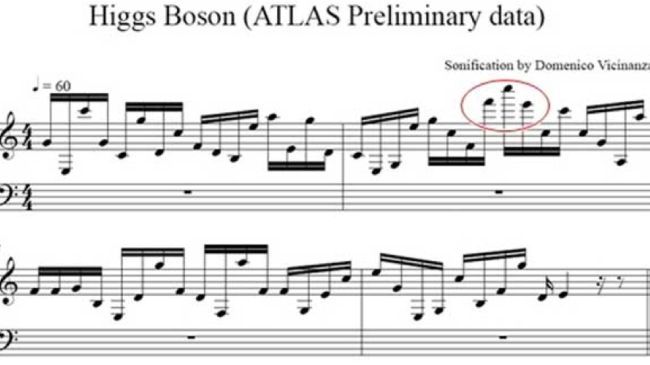
    The July 4 achievement and the discovery of Higgs Boson particle, created new possiblities for the researchers who have “sonified” the data from the Atlas experiment, by turning these scientific findings into music using data sonification. Working from results supplied by the Atlas experiment at the Large Hadron Collider (LHC), researchers have created melodies that make the results easier to understand.

    Sonification requires enormous amounts of networking and processing power to produce results, as the pan-European GÉANT network reports, it is the project coordinated by Domenico Vicinanza of DANTE (the UK-based organisation that operates the GÉANT network on behalf of European national research and education networks (NRENs)), in collaboration with Mariapaola Sorrentino of ASTRA Project, Cambridge, who contributed to the sonification process and Giuseppe La Rocca from INFN Catania, responsible for the computing framework.

    “In the music the peak of high notes in the second bar is the appearance of the Higgs-like particle (about 3.5 seconds into the recording). The researchers created two versions, one as a piano solo, and the second with added bass, percussion, marimba and xylophone.”

    Take a listen on a SoundCloud:

    “The discovery of the Higgs-like particle is a major step forward in our knowledge of the world around us,

  • Beautiful Barred Spiral Galaxy NGC 6872

    Beautiful Barred Spiral Galaxy NGC 6872

    Three-colour composite reproduced from one blue (B), one green-yellow (V) and one red (R) exposure, obtained with FORS1 at ANTU (VLT). The field size is again 6.8×6.8 arcmin 2. It shows the spectacular barred spiral galaxy NGC 6872 that is shaped like an “integral sign”. It is of type SBb and is accompanied by a smaller, interacting galaxy, IC 4970 of type S0 (just above the centre).

    The bright object to the lower right of the galaxies is a star in the Milky Way whose image has been strongly overexposed and exhibits multiple optical reflections in the telescope and instrument. There are also many other, fainter and more distant galaxies of many different forms in the field. They are particularly well visible on the “Normal” and “Full Resolution” versions of the photo.

    The upper left spiral arm of NGC 6872 is significantly disturbed and is populated by a plethora of blueish objects, many of which are star-forming regions. This may have been be caused by a recent passage of IC 4970 through it. This interesting system is located in the southern constellation Pavo (The Peacock). It is comparatively distant, almost 300 million light-years away. It extends over more than 7 arcmin in the sky and its real size from tip to tip is thus nearly 750,000 light-years. It is in fact one of the largest known, barred spiral galaxies.

    In order to image all of this extraordinary object within the available field of the FORS1 camera, the instrument was rotated so that the galaxy extends along the diagonal. For this reason, the orientation is such that North is to the upper right and East is to the upper left.
    Credit: ESO

  • Call for Participation: EuroNOG – an international meeting

    Call for Participation: EuroNOG – an international meeting

    Want to broaden your knowledge in ICT topics and meet other people working in this field? Take part in the second EuroNOG meeting on September 10th-11th in Budapest, Hungary.

    EuroNOG – an international meeting of experts responsible for the design, maintenance and development of ICT networks. The first edition was held on the 30th September 2011 in Krakow (Poland). The second edition will be organized on September 10th-11th, 2012 in Budapest (Hungary). Subsequent meetings are going to be held annually in various cities in Europe. Our main goal is to build a platform to exchange experience between the operators, ISPs and companies responsible for network implementation.

    National borders are becoming blurred, and increasing international cooperation is a key element of the Internet development. At the same time, due to various technical and economic conditions, in each of the European countries the development of networks diverged in a different way. Therefore it is difficult to compare and easily transfer ready-made solutions from one country to another – just look at the networks in Scandinavian countries compared with countries from Southern Europe– different solutions, architectures and equipment. It is best for us to exchange experience and learn from best practices used by local players on the European market.

    What sets us apart from the RIPE, TERENA and other IX meetings?

    Certainly, our conference is not academic, we do not want to focus only on the theoretical backgrounds of the IP world. We want to provide the greatest number of good practices and presentations including deployment case studies. Our point of view resembles NANOG, as we are looking at Europe through the prism of a global network, treating each country as a state – strong co-operation but also territorial autonomy. The EuroNOG conference will be a vendor-independent meeting place for experts.

    For Australian Science readers the organisers have prepared special discount code “as_10”. People registrating with this code will get 10% discount.

    Detailed information: Date: 10-11 September 2012

    Location: RamadaPlaza Hotel, Budapest (Hungary)

    Registration: http://registration.euronog.eu

    Conference website: http://euronog.eu

    If you have any questions, please contact: Emilia Staszczak

    EuroNOG main organizer mail: emilia.staszczak@euronog.eu


  • BioGrid Australia links data to show bowel cancer screening is making impact on patient survival rate

    BioGrid Australia links data to show bowel cancer screening is making impact on patient survival rate

    BioGrid Australia links data to show bowel cancer screening is making impact on patient survival rate.

    Victorian researchers have been able to confirm that the national bowel cancer screening program is making a major impact on patient survival.

    Using data made available through BioGrid Australia, the researchers have shown that patients diagnosed as a result of a positive screening test have a much higher survival rate than patients presenting with symptoms.

    Maureen Turner, CEO of BioGrid Australia, said today that recent analysis from six Victorian hospitals has shown an increased number of early stage cancers diagnosed via the bowel screening programs (43% versus 19%) and a reduced number of patients with advanced cancer (4% versus 18%),² she said.

    This research is further confirmation of the value of the national bowel cancer screening program and the valuable contribution that BioGrid Australia, an innovative medical research platform, is making to furthering our understanding of cancers and other diseases,² she said.

    Dr Peter Gibbs and colleagues analysed diagnosis and survival information for 103 patients (all of whom had no symptoms of cancer) diagnosed as the result of a positive stool screening test on the national program.

    The patients attended six hospitals in Melbourne: Royal Melbourne, Royal Melbourne Private, Western Hospital, Western Private, Box Hill and Epworth Eastern. These patients were diagnosed between May 2006 and 2012 and their results were compared to 793 patients of the same age presenting with symptoms over the same timeframe.

    ³This analysis confirms that patients with a bowel cancer detected by a screening test, long before any symptoms have appeared, have a much improved outcome, with a projected five year survival of 95% compared to 73% for patients of the same age who were diagnosed with symptoms² said Dr Gibbs.

    ³This research yet again emphasises the ongoing need for and value of Australia¹s national bowel screening program which is leading to better survival rates as a direct result of earlier diagnosis.² Data available through BioGrid Australia was previously used in a campaign to extend the Australian National Bowel Cancer Screening Program to 60 and 70 year olds, by demonstrating the potential savings of early bowel cancer diagnosis.

    The research released in 2010 showed that annual bowel cancer treatment costs was likely to increase four-fold to $1 billion over 10 years by 2011, strengthening the economic case for expanding the Government¹s National Bowel Cancer Screening Program. The study by Victorian researchers supported by BioGrid Australia combined Australian screening data with treatment costs and survival rates, providing new evidence of the program¹s economic and social benefits. The researchers determined the cost of treating any one patient with bowel cancer at about $55,000 a patient.

    Due to the cost of expensive new therapies treating stage 3 (more advanced) cancers tripled from $25,000 in 1999 to $75,000 and for stage 4 (most advanced), the cost has significantly escalated 10 fold from $6,000 to $61,000. By screening leading to the detection of early stage cancers which can be dealt with by surgery alone, the substantial cost of treating later stage cancers, including the use of expensive chemotherapy drugs, are avoided. The data available through BioGrid was able to show the cost effectiveness of screening.

    The free National Bowel Cancer Screening Program was introduced in 2006. In the 2012 ­ 2013 Federal Budget, the program was expanded to include Australians turning 60 years of age from 2013 and those turning 70 years of age from 2015.

    The expansion of the screening program means that an estimated 1,000 early cancers will be detected each year and between 300 and 500 lives saved annually. This will significantly reduce the burden of bowel cancer on Australians and their families. Bowel cancer is the second most commonly diagnosed cancer in Australia, with annually more than 13,000 cases and 4,100 deaths from this disease.

    BioGrid Australia

    BioGrid Australia (www.biogrid.org.au) is an innovative medical research platform that facilitates privacy-protected research across many hospitals and medical research institutes. BioGrid provides an online Access Request System by which researchers can apply for access to specific databases.  Through this system, the data custodians approve access to their data and a Scientific Expert Review Committee assesses the proposed investigation providing formal ethics approval. Once authorised, researchers can access de-identified data for specified research.

    Issued on behalf of BioGrid Australia.

    Image source.