Category: Science

  • Lighting the Imagination in Science

    Lighting the Imagination in Science

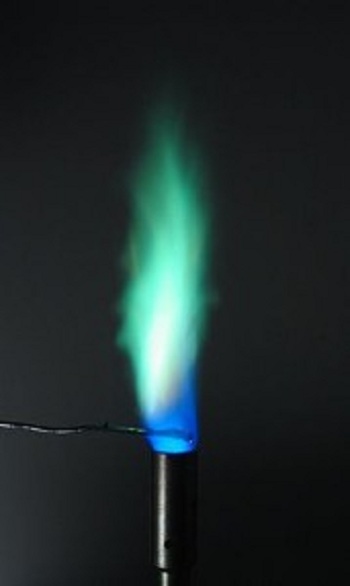
    Gas flame used for flame test of copper sulphate. Photo Credit: Søren Wedel Nielsen

    Imagination in Science

    In my policy work in early childhood education, I get to travel and observe a few child care centers in the NYC area every year as part of our Excellence in Teaching Awards. Well, I should say I did, until the funding for this awards program was cut. Minor point.

    In those visits last year, some really stellar (read well-funded) classrooms had water tables, sand boxes, aquariums, terrariums, birds, blocks, paints; tools to inspire and ignite the creativity of young minds as they explore and try to make sense of the world around them. Imagination is the most vivid and active during the early years. It must be cultivated and continued in practice.

    Let’s think about the role of imagination in science. The process of imagination is on display everywhere in an early childhood classroom. But by the time they reach middle school, students seem to burn out and tire of science. Tired of memorizing facts and figures they see no point in bothering to retain because they will never use that information again. They see no purpose for being able to regurgitate that Cu is the symbol for the chemical element of copper; that 454 grams equals 1 pound; that kinetic energy is defined as the work needed to accelerate a body of a given mass from rest to its stated velocity. All of this information could be looked up if it were required in the future. Where is the imagination? What is driving the curiosity?

    The United States is losing a great majority of future scientists as a result of its education system and the way it teaches science. It’s alarming when you hear the statistics: American students ranked 21st out of 30 in science, and 25th out of 30 in math compared to other students in developed countries (2006 PISA comparison). Or on the 2009 NAEP math test 4th graders showed absolutely no improvement in scores, while 8th graders showed modest progress at best. That’s why this emphasis on STEM – Science, Technology, Engineering and Mathematics – is so crucial. If we are to “stem” this brain drain of our youth, we must begin to see and teach science in a new light.

    Why We Should Care

    Science and math form the basis of our society. Who envisioned and built streets to make transportation easier, or built homes for improved shelter? That couldn’t have been done with basic principles and understanding of either science or math.

    Think about who designed your Starbucks cup containing your triple soy latte this morning.* Or the person who envisioned the design of the clothes you are wearing and the manufacturing process that went into producing the items that fit your style. Or the energy and transportation logistics required to get those Levi’s into the stores for you to purchase.

    Whether kids are interested in studying particle physics, fashion design, or aeronautical engineering in terms of a future career, doesn’t much matter. Society requires this mix of disciplines to function. And the teaching and promotion of science and technology, and the process we use in the curriculum to increase students’ interest and learning, is how we begin to turn this tide.

    We need to show the applications of science to connect with children. Give them the means to see the direction of their studies laid out in front of them so that they can understand the relevant connections between classroom content and career pathways, thus providing learning opportunities for students.

    I think we are not seeing the forest for the trees; we are more focused on getting to the endpoint – maintaining a competitive status, being a global leader, creating more jobs – than we are focused on how we get there along the way. Perhaps that is the missing component; something we should be sharing with children as we try and teach them about protons, electrons and neutrons. That if they can understand these concepts, understand the relationships, they may be better able to think about the application of these concepts into nuclear medicine and how it might lead to a career as in the field of molecular medicine, or they may apply this knowledge to working on nuclear-powered submarines.

    We start our kids in gymnastics, karate, soccer (football) and rugby when young; why isn’t the same emphasis placed on science education in schools? Science is fun! But I’m wired differently and a bit of a nerd, so you may differ with my opinion (but you probably do not, since you are reading Australian Science). Kids don’t just like winning at sports, they like winning. There’s more to competition than just winning, of course: learning what went right, what went wrong, how to improve, working with others, pulling your own weight, being a leader – these are things important to competition, whether it is athletics or academics. And a healthy balance of the two is important.

    Young muscle memory needs to be exercised early and often for excellence to take hold. But conditioning a young mind is different from pushing a young mind. Beginning down the path with the mindset that your young child is going to win the Nobel Prize in physics and anything less is unacceptable, probably isn’t ideal. But if parents and schools can start exposing kids to science at an earlier age – simple building blocks, water tables, modeling clay, activities requiring counting and measuring, nature trips. I’m talking things that are age appropriate of course, those activities that give kids a chance to explore on their own terms the world around them. Encouragement, support, resources – that’s how you grow a future scientist, that’s how you improve a nation, a society. Without science, what chance do we have as a species for survival?

    In the U.S., much time and resources are spent on “teaching to the test”. Meaning, teachers are prepping their students for standardized tests. Not munch learning is taking place as little information is retained that way. Would it be better to have a two-week “camp
  • Does my Science look big in this? August 2012 in review

    Does my Science look big in this? August 2012 in review

    August was a momentous month for science and technology. In my top five events are: NASA landed a car-sized rover on Mars; the first man to walk on the Moon, Neil Armstrong dies; Harvard scientist create a cyborg tissue; Swedish researchers detail how Parkinson’s disease spreads through the brain; and Voyager 2 turns 35.

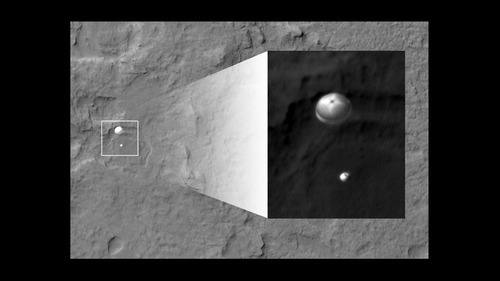
    Without a doubt the technology achievement of the month goes to NASA. They landed the rover, Curiosity, successfully on Mars at 1:31 a.m. EDT August 6, 2012. Ending a 36-week flight and beginning a two-year investigation.  What makes this noteworthy? For one the coverage and access NASA provided in real time. From the launch to the daily updates to the ‘on the spot’ coverage of the entrance-descent-landing sequence live from the Pasadena control-room. Showing that engineers and scientists are human after all.

    I was delighted to see the sky-crane landing working to perfection.  As the system were all bought to life one-by-one the science exploration staff are eagerly anticipating zapping, sampling and analysing rocks, regolith and atmosphere.

    Curiosity parachuting to the Martian surface. Photo credit NASA/JPL.

    “Today, the wheels of Curiosity have begun to blaze the trail for human footprints on Mars. Curiosity, the most sophisticated rover ever built, is now on the surface of the Red Planet, where it will seek to answer age-old questions about whether life ever existed on Mars, or if the planet can sustain life in the future,” said NASA Administrator Charles Bolden. “This is an amazing achievement, made possible by a team of scientists and engineers from around the world and led by the extraordinary men and women of NASA and our Jet Propulsion Laboratory. President Obama has laid out a bold vision for sending humans to Mars in the mid-2030’s, and today’s landing marks a significant step toward achieving this goal.”

    The bold vision for sending humans to Mars was poignant. Neil Armstrong, the first man to walk on the moon during the 1969 Apollo 11 mission, died, following complications resulting from cardiovascular procedures. He was 82. Without a doubt Neil Armstrong, Buzz Aldrin and Michael Collins were childhood heroes to me. They along with the other astronauts of both the Apollo and Gemini missions were a key inspiration in firstly my interest in and secondly my career in science.

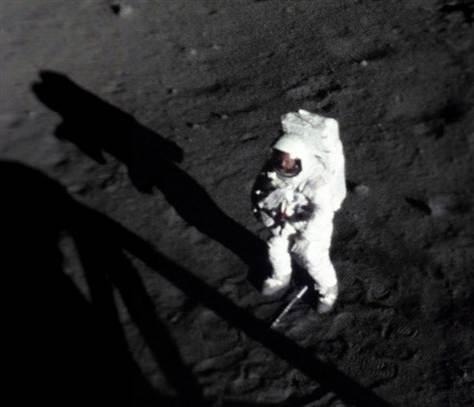
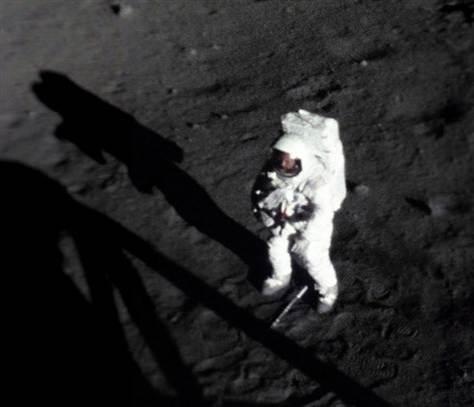
    The only picture taken of Neil Armstrong on the Moon. Neil was carrying the camera (seen in his hands here) during the entire moon-walk so all images captures Buzz Aldrin. This image was captured by a stationary camera on the Lunar landing module. Image credit NASA.

    “Houston, Tranquillity Base here. The Eagle has landed,” Armstrong said, telling a tense and waiting Earth that men had finally reached the lunar surface. Neil Armstrong was also a reluctant American hero who always believed he was just doing his job. A refreshing change from the current days of hyped useless celebrities and where the word awesome is applies to every mundane activity. Traveling to the Moon, that inspires a sense of awe.

    Meanwhile researchers at Harvard have grown cyborg tissues with embedded nanoelectronics. They have reported how they developed a system for creating nanoscale “scaffolds” which could be seeded with cells which later grow into tissue.

    Though a number of potential applications exist for the technology, the most near-term use may come from the pharmaceutical industry. Researchers could use it to more precisely study how newly developed drugs act in three-dimensional tissues, rather than thin layers of cultured cells. The system might also one day be used to monitor changes inside the body and react accordingly, whether through electrical stimulation or the release of a drug.

    Parkinson’s researchers at Lund University for the first time were able to follow events in which misfolded proteins travel from sick to healthy cells. This model has never before been identified so clearly in a living organism. The experiments also show how the transferred proteins attract proteins in the host cell leading to abnormal folding or “clumping” inside the cells. This is a cellular process likely to lead to the disease process as Parkinson’s progresses, and it spreads to an increasing number of brain regions as the patient gets sicker.

    The aim of the research is to better understand how Parkinson’s pathology progresses and thereby uncover novel molecular targets for disease-modifying treatments.

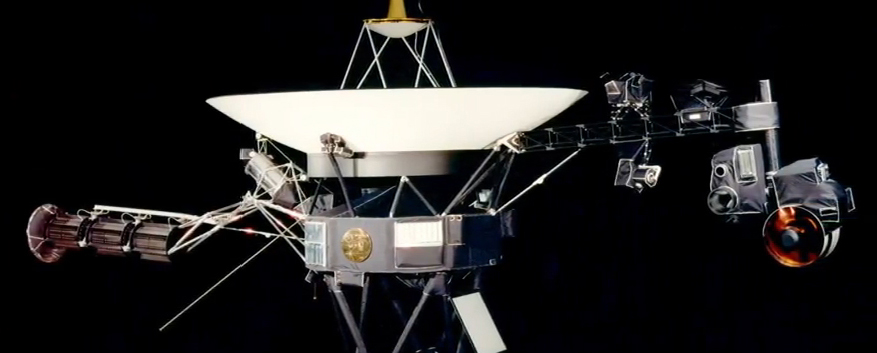
    Voyager 1. Image credit NASA/JPL

    Finally what an inspiring longevity story. Thirty-five years ago, NASA’s Voyager 2 spacecraft, the first Voyager spacecraft to launch, departed on a journey that would make it the only spacecraft to visit Uranus and Neptune and the longest-operating NASA spacecraft ever. Voyager 2 and its twin, Voyager 1, that launched 16 days later on Sept. 5, 1977, are still going strong, hurtling away from our sun. Mission managers are eagerly anticipating the day when they break on through to the other side – the space between stars.

    I trust you have enjoyed my idiosyncratic “five best new science and technology” stories of this past calender month. These were in most cases, but not exclusively so, announced through peer reviewed journals. These were those that I found most interesting, or influential, or of possible future impact.  No science applied to my choice, the choice was my responsibility alone!

  • Kepler Astronomers Find First Planetary System Around a Binary Star

    Kepler Astronomers Find First Planetary System Around a Binary Star

    NASA’s Kepler mission has found the first multi-planet solar system orbiting a binary star, characterized in large part by University of Texas at Austin astronomers using two telescopes at the university’s McDonald Observatory in West Texas. The finding, which proves that whole planetary systems can form in a disk around a binary star, is published in the August 28 issue of the journal Science.

    “It’s Tatooine, right?” said McDonald Observatory astronomer Michael Endl. “But this was not shown in Star Wars,” he said, referring to the periodic changes in the amount of daylight falling on a planet with two suns. Measurements of the star’s orbits showed that daylight on the planets would vary by a large margin over the 7.4-Earth-day period as the two stars completed their mutual orbits, each moving closer to, then farther from, the planets (which are themselves moving).

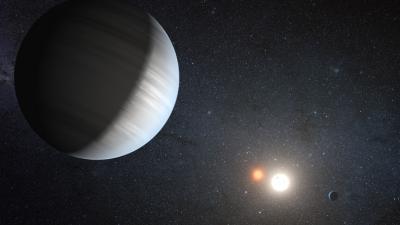
    The binary star in question is called Kepler-47. The primary star is about the same mass as the Sun, and its companion is an M-dwarf star one-third its size. The inner planet is three times the size of Earth and orbits the binary star every 49.5 days, while the outer planet is 4.6 times the size of Earth with an orbit of 303.2 days.

    Artist's concept of the Kepler-47 system.

    The outer planet is the first planet found to orbit a binary star within the “habitable zone,” where liquid water could exist and thus create a home for life. However, the planet’s size (about the same as Uranus) means that it is an icy giant, and not an abode for life. It’s a tantalizing taste of discoveries waiting to be made.

    The combination of observations from the NASA mission and McDonald Observatory allowed astronomers to understand the characteristics of Kepler-47’s two stars and two planets.

    The Kepler mission looks for minute dips in the amount of light coming from a star that might indicate a planet is passing in front of it, an event called a “transit.” The space telescope is also adept at identifying eclipsing binary stars, in which two stars pass in front of each other as they orbit each other. In the case of Kepler-47, they found both stellar eclipses and planet transits in one system.

    So Kepler astronomers Jerome Orosz (lead author on the study) and William Welsh of San Diego State University flagged the Kepler-47 system as worthy of follow up from the ground. They asked the McDonald Observatory Kepler team to work with them.

    Endl studied the binary star with the 9.2-meter Hobby-Eberly Telescope (HET, one of the world’s largest telescopes), as well as the 2.7-meter Harlan J. Smith Telescope at McDonald.

    “The challenging thing is that this is a very faint star,” Endl said, “about 6,000 times dimmer than can be seen with the naked eye.”

    He was taking spectra of the system — looking for characteristics in its light to indicate the motions of the primary star. (The secondary star is too faint to measure.) The McDonald observations enabled astronomers to calculate the mass of the primary star.

    These values, along with the Kepler eclipse and transit timings, were plugged into a model that calculated the relative sizes of all the bodies involved, Endl said.

    The Kepler team at McDonald Observatory also includes Bill Cochran (a co-Investigator of the Kepler mission), research scientist Phillip MacQueen, graduate students Paul Robertson and Eric Brugamyer, and recent graduate Caroline Caldwell.

    “This is the type of research where McDonald Observatory really excels,” Cochran said. “We have excellent scientific instruments on our telescopes, and the queue-scheduled operation of the HET allows us to obtain spectra at the optimal times when they will give us the best information about the stars.”

    Source.

  • Fear of Ebola

    Fear of Ebola

    “…the last big outbreak I experienced in Uganda [was] in 2007. When MSF arrived a lot of the staff in the hospital had died and the rest had run away because they were scared.

  • Gale Crater Vista on Mars

    Gale Crater Vista on Mars

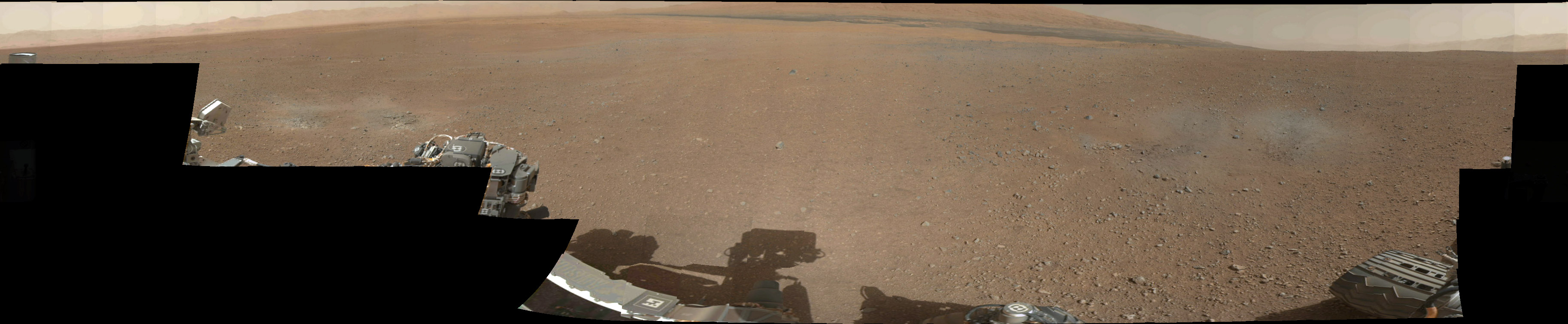
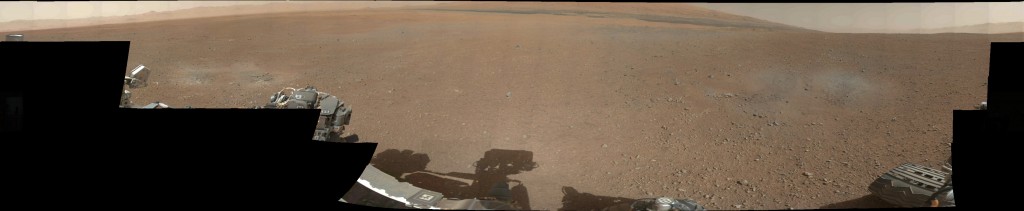
    This is the first 360-degree panorama in color of the Gale Crater landing site taken by NASA’s Curiosity rover. The panorama was made from thumbnail versions of images taken by the Mast Camera.

    Scientists will take a closer look at several splotches in the foreground that appear gray. These areas show the effects of the descent stage’s rocket engines blasting the ground. What appeared as a dark strip of dunes in previous, black-and-white pictures from Curiosity can be seen along the top of this mosaic, but the color images also reveal additional shades of reddish brown around the dunes, likely indicating different textures or materials.

    The images were taken on Aug. 9, 2012, by the 34-millimeter Mast Camera. This panorama mosaic was made of 130 images of 144 by 144 pixels each. Selected full frames from this panorama, which are 1,200 by 1,200 pixels each, are expected to be transmitted to Earth later. The images in this panorama were brightened in the processing. Mars only receives half the sunlight Earth does and this image was taken in the late Martian afternoon.

    Image Credit: NASA/JPL-Caltech/MSSS


  • Call for Papers “Big Data, Big Questions, or, Accounting for Big Data

    Call for Papers “Big Data, Big Questions, or, Accounting for Big Data

    Call for Papers “Big Data, Big Questions, or, Accounting for Big Data

  • The whole Earth-side of the Moon should be protected forever

    The whole Earth-side of the Moon should be protected forever

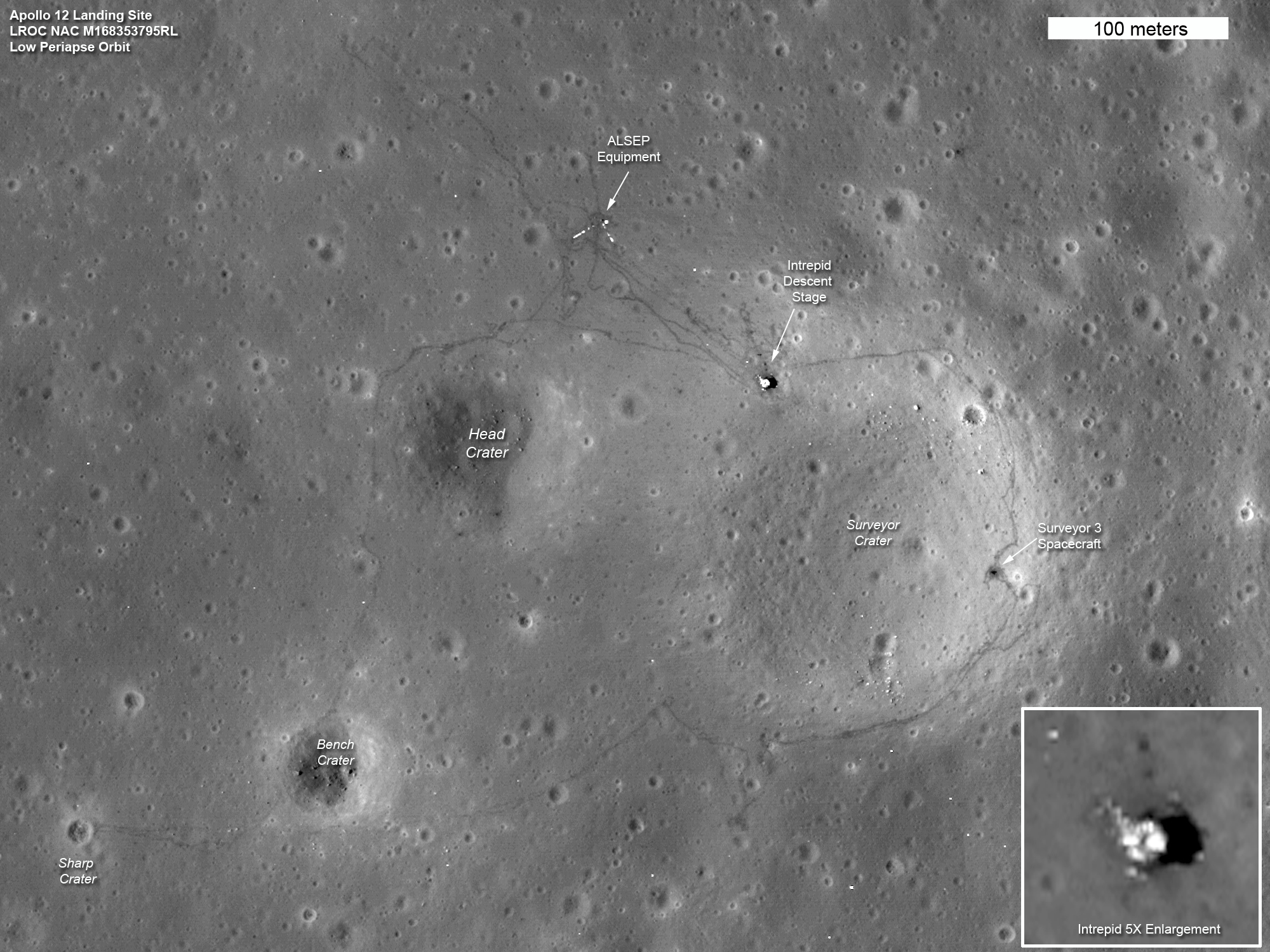
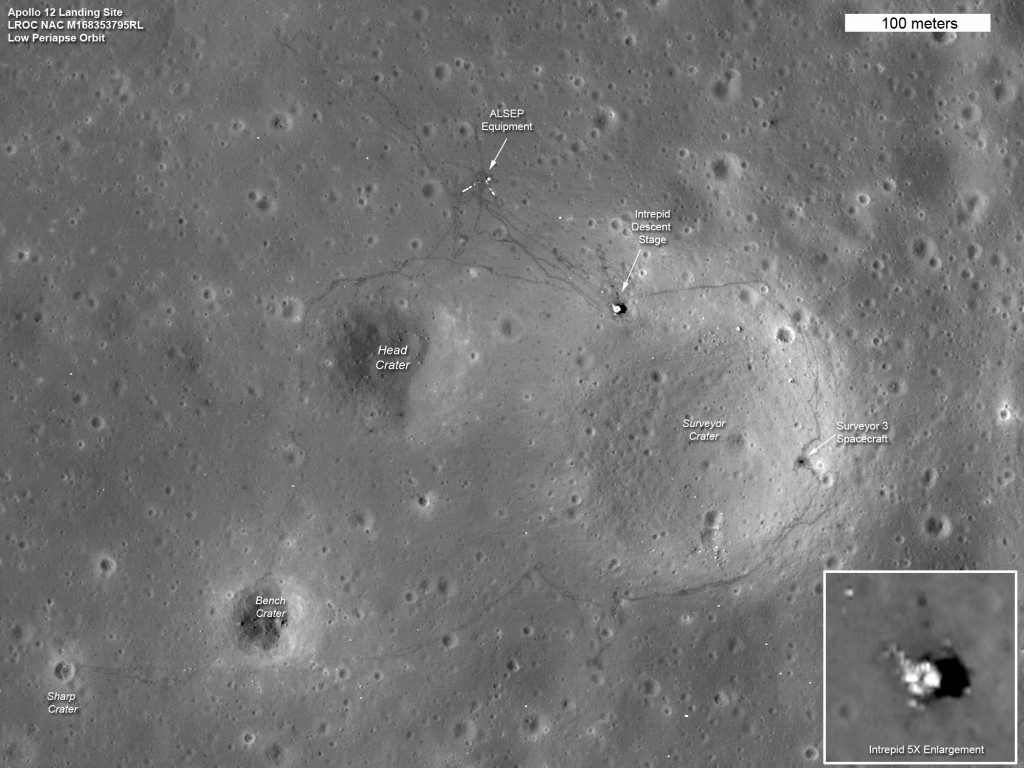
    Apollo 12 landing site, taken from NASA's Lunar Reconnaissance Orbiter in 2011

    Earlier this year, the New York Times had an interesting piece about museums seeking to protect small areas of the Moon around the Apollo landing sites. And a good thing too: “…the next generation of people visiting the moon might carelessly obliterate the site of one of humanity’s greatest accomplishments.”

    More recently, NASA has released draft guidelines around protecting the landing sites from damage.

    But isn’t that a bit like how Cairo almost swallows the Pyramids?

    Surely we need to go further? Much further?

    For thousands of years, all of Earth-bound humanity will gaze up on the Earth side of the Moon. And it’s exactly the same view looked upon by all of humanity throughout history.

    Surely that whole view is worthy of protection? After all, any changes made that are visible from Earth will be visible forever. There’s no atmosphere or weather to sweep away our transgressions over time. What is done on the Moon stays done…

    I raised these concerns with a NASA engineer a couple of years ago after his presentation at the Questacon national science museum about the (now ill-fated) Constellation project to return to the Moon.

    It seemed to me that the American disposable society mantra was writ large in their plans, with leftover bits free to crashland wherever once done with. It’s that sort of mentality that’s got us into a spacejunk problem in Earth orbit.

    I have no doubt that there will come a day – possibly while I’m still alive – that we are strip-mining parts of the Moon for minerals to build spaceships and Moonbase buildings and to fuel them.

    But surely there should be a commitment from all nations for this sort of permanent scarring to be limited to the far side (the incorrectly named dark side!) of the Moon only. And for communications facilities and potentially colonies to be positioned around the Earthside perimeter for minimal visual impact, while maintaining direct communications.

    There should also be strict controls on escape of artificial light. Surely the sort of light pollution that we spew pointlessly upwards from our Earth should not be shining back at us one day from the Moon?

    We owe our future generations that much, I believe.

    And while looking back – enjoy this handheld footage of the Earthrise, from Apollo 10, right out at the Moon, to very fitting music:

  • First Color Image of the Martian Landscape from Curiosity

    First Color Image of the Martian Landscape from Curiosity

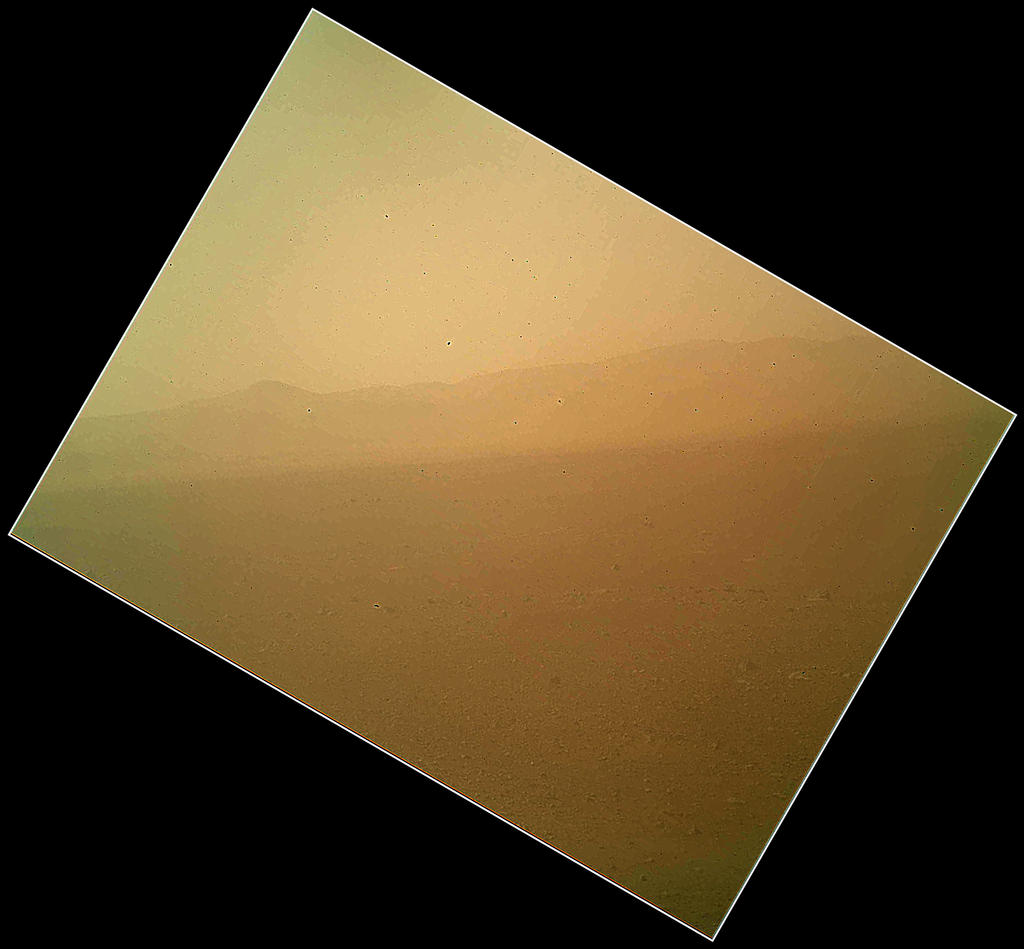
    This view of the landscape to the north of NASA’s Mars rover Curiosity acquired by the Mars Hand Lens Imager (MAHLI) on the afternoon of the first day after landing. (The team calls this day Sol 1, which is the first Martian day of operations; Sol 1 began on Aug. 6, 2012.)

    In the distance, the image shows the north wall and rim of Gale Crater. The image is murky because the MAHLI’s removable dust cover is apparently coated with dust blown onto the camera during the rover’s terminal descent. Images taken without the dust cover in place are expected during checkout of the robotic arm in coming weeks.

    First Color Image of the Martian Landscape Returned from Curiosity

    The MAHLI is located on the turret at the end of Curiosity’s robotic arm. At the time the MAHLI Sol 1 image was acquired, the robotic arm was in its stowed position. It has been stowed since the rover was packaged for its Nov. 26, 2011, launch.

    The MAHLI has a transparent dust cover. This image was acquired with the dust cover closed. The cover will not be opened until more than a week after the landing.

    When the robotic arm, turret, and MAHLI are stowed, the MAHLI is in a position that is rotated 30 degrees relative to the rover deck. The MAHLI image shown here has been rotated to correct for that tilt, so that the sky is “up” and the ground is “down”.

    When the robotic arm, turret, and MAHLI are stowed, the MAHLI is looking out from the front left side of the rover. This is much like the view from the driver’s side of cars sold in the USA.

    The main purpose of Curiosity’s MAHLI camera is to acquire close-up, high-resolution views of rocks and soil at the rover’s Gale Crater field site. The camera is capable of focusing on any target at distances of about 0.8 inch (2.1 centimeters) to infinity. This means it can, as shown here, also obtain pictures of the Martian landscape.

    Image Credit: NASA/JPL-Caltech/Malin Space Science Systems

    Source

  • An outdated appetite control system in a rapidly evolving world?

    An outdated appetite control system in a rapidly evolving world?

    Imagine yourself for a moment waiting for a meal at your favourite restaurant, local takeaway store or at home counting down the time until the oven buzzer sounds. You know you’re hungry, but we seldom think or care about the complex series of processes that go on inside our bodies that drive that hunger.
    And why should we care?

    In the developed world, for the lucky majority at least, calorie-dense food has never been more accessible. Want a pizza? Just use an app from your smartphone to order one delivered any time, day or night. The one big problem with this–human appetite has evolved over tens of thousands of years when food was tough to come by, and we had to work physically hard for a meal, now we just go to the fridge. However the series of long developed processes that drive appetite have not caught up in this time of plenty thereby contributing to the modern day upsurge in obesity.

    Obesity as a global problem

    Obesity is a global disease on the increase, the World Health Organisation estimates that by 2015 there will be an astounding 700 million adults classified as obese. From a health viewpoint this is particularly worrying as obesity is a major risk factor for cardiovascular diseases, Type-2 diabetes and some cancers.

    Also concerning, is the number of people in developing countries at risk, where the bane of obesity joins established under-nutrition. Dr Ranjan Yajnik, the director of the diabetes unit at King Edward Memorial Hospital in Pune, was recently reported by ABC News saying, “Populations which have faced under-nutrition for a long time are now exposed to the over-nutrition of the modern world through globalisation and westernisation”.

    In short, it’s the modern world and how we live in it which is driving up rates of obesity.

    An unbalanced system?

    In broad terms, the body is wired to protect against starvation and low food availability, by increasing biological and sensory processes that promote the need to eat. This makes sense, after all starvation is an immediate threat to survival and was by far one of the greatest concerns of our ancient ancestors. As excessive food was less of a concern, the regulatory processes to protect against excess consumption and weight gain appear less effective, leading to the body favouring weight gain over weight loss.
    Combine this with the increased availability of highly palatable foods, and the ability to stop eating when full is increasingly difficult. According to Dr. Joanne Harrold and colleagues, in a recent paper published in the journal Neoropharmacology, this may be especially true for many obese people, who may “possess an over-responsiveness to the reward effects of eating, which results in the appetite system of these people being effectively overwhelmed

  • Interview with lead Mars Curiosity rover driver Matt Heverly

    Interview with lead Mars Curiosity rover driver Matt Heverly

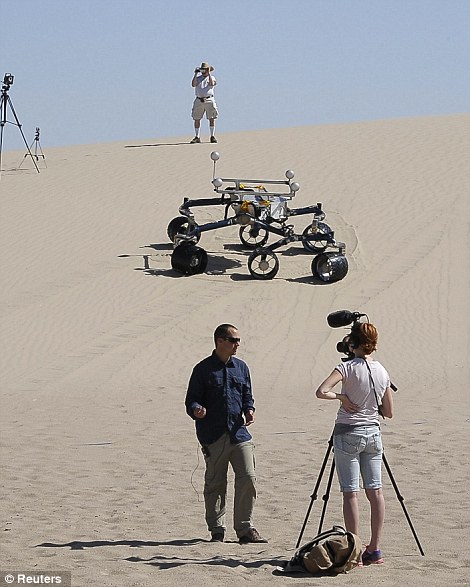
    Matt Heverly during testing of rover double "Scarecrow" in the desert near Death Valley. Source: Daily Mail UK

    When the Mars Science Laboratory – Curiosity – touches down on Mars today, one of the people there ready to take control of it will be Matt Heverly.

    Matt is an engineer with NASA’s Jet Propulsion Laboratory in Pasadena, California and has been working on the design and build of Curiosity, as well as being one of the drivers of the lone surviving rover currently on Mars – Opportunity.

    And Matt has been appointed by NASA as the lead driver for Curiosity.

    Last week I interviewed Matt about this important role, about driving rovers in general, and about the science work that he’ll be helping with.

    When Matt came online, he’d quite literally been in the “Mars Yard” conducting some testing with Curiosity’s twin, and he had parked it right behind himself before joining me on Skype. You can see the rover in the background.

    (There are a couple of spots where the Skype signal dropped down and a warning dialogue came over the screen. I wanted to get the interview posted prior to the landing day, so no finessing the video editing…)

    Interview with Matt Heverly – Mars Curiosity lead rover driver from Alan Kerlin on Vimeo.


    There are actually two “twins” of Curiosity used for testing back here on Earth. The one behind Matt is an exact twin is all respects except the plutonium power supply. The other – nicknamed Scarecrow – is a slimmed down version that is designed to weigh as much as Curiosity would in the lower gravity of Mars. It is used to test driving conditions. The following video shows you Scarecrow in action in the Mars Yard:

    We also talked about Athlete – a rover design originally destined for the Moon. Check this video of Athlete busting some moves:


  • Social networks and culture among dolphins

    Social networks and culture among dolphins

    Recently published research in Nature Communications ‘Social networks reveal cultural behaviour in tool-using using dolphins‘ is exploring social networks of dolphins. In particular, it finds evidence for homophily on a learned skill which leads that there’s an exclusion and cultural contagion even among cetaceans.

    Abstract

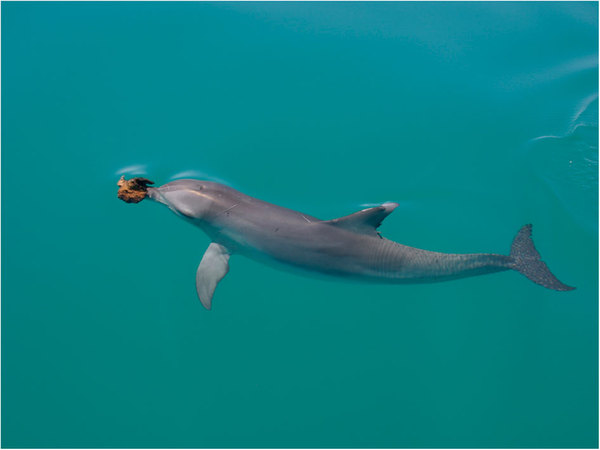
    Animal tool use is of inherent interest given its relationship to intelligence, innovation and cultural behaviour. Here we investigate whether Shark Bay bottlenose dolphins that use marine sponges as hunting tools (spongers) are culturally distinct from other dolphins in the population based on the criteria that sponging is both socially learned and distinguishes between groups. We use social network analysis to determine social preferences among 36 spongers and 69 non-spongers sampled over a 22-year period while controlling for location, sex and matrilineal relatedness. Homophily (the tendency to associate with similar others) based on tool-using status was evident in every analysis, although maternal kinship, sex and location also contributed to social preference. Female spongers were more cliquish and preferentially associated with other spongers over non-spongers. Like humans who preferentially associate with others who share their subculture, tool-using dolphins prefer others like themselves, strongly suggesting that sponge tool-use is a cultural behaviour.

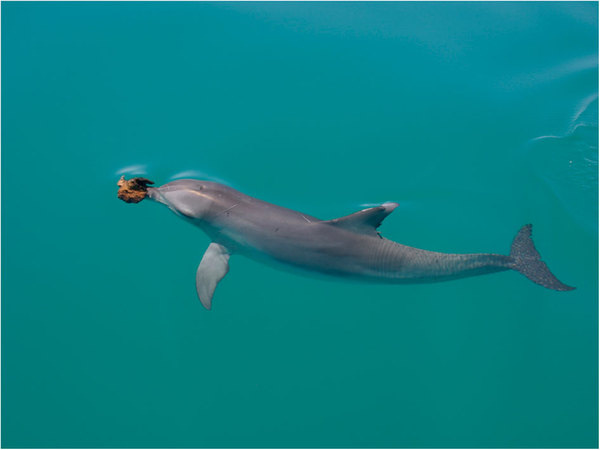
    Photo by Ewa Krzyszczyk; http://www.monkeymiadolphins.org.
    For centuries, philosophers and scientists have debated whether cultural behaviour distinguishes Homo from all other taxa12. Whether non-human animals have at least rudimentary culture is contested, partly because scholars disagree on the definition of culture and/or what type of supporting evidence is needed2. To empirically investigate whether or not a given species has ‘culture,’ the term must be operationally defined. Regardless of discipline, scholars agree that some form of social learning is a prerequisite and that culture is a source of uniformity within groups and differences between groups3, but the consensus ends here. Social learning is defined as learning (behaviour matching) that is influenced by observation of, or interaction with another animal or its products45. Some definitions of culture require more complex cognitive social learning mechanisms, such as pedagogy, theory of mind and imitation67. In most animal culture studies, examination of behavioural variation within and between groups is fairly straightforward as animals are either geographically or socially segregated2. However, ‘group’ is not easily defined in all animal societies. Like humans, Shark Bay bottlenose dolphins live in an open community, characterized by high fission–fusion dynamics where members maintain long-term preferential bonds, but associations are temporally and spatially variable across minutes, days and years8. The question is therefore whether dolphins that use sponge tools (spongers) to extract prey910 exhibit homophily (the tendency to associate with similar others), based on this socially learned foraging tactic1011.

    In Shark Bay, Australia, a subset of the community of Indo-Pacific bottlenose dolphins (Tursiops sp.) procure and wear basket sponges on their beaks while lightly scouring the seafloor for prey in deep (8–13 m) channels (Fig. 1)9101112. Sponging is the best-documented case of tool use by wild cetaceans and is unique among wildlife in that only a small subset of the population uses tools. This exceptional case of tool-use heterogeneity allows us to test for preferential affiliation based on tool-use. To date, 55 dolphins have been documented habitually using sponges in the eastern gulf of Shark Bay12, although sponging also occurs in the western gulf13. Only calves of spongers become spongers (24 offspring to date), but 8 offspring of spongers never adopted sponging. Sponging is a solitary activity, but calves accompany their mothers during sponging and vertical social learning is strongly implicated as the primary mechanism of transmission101114, consistent with mitochondrial DNA analysis1315

    Full paper link.

  • The Devil’s Technology

    The Devil’s Technology

    Biotechnology is rarely considered to be good for the environment. In fact, environmental campaigners frequently claim that genetically modified organisms represent a major threat to biodiversity and ecosystems. However, the study of the Tasmanian Devil Facial Tumour disease (DFTD) using genetic technologies is an example where biotechnology has been used to create a definite environmental benefit.
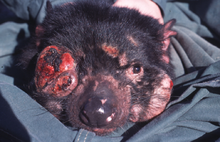


    The Tasmanian Devil (Sarcophilius harrisi) is Australia’s largest surviving carnivore and endemic to the island of Tasmania. DFTD induces cancerous tumours on the face and inside the mouth of affected animals which die within months. The condition was first observed in north-eastern Tasmania in 1996. DFTD, like other cancers, is caused when mutations within a cell prompt it to switch from normal function into tumorous growth. Cancers are considered non-contagious as the tumour is contained within the body and is unable to spread to alternative hosts. Furthermore, the immune system of any alternative host would normally recognise any foreign tumour cells that managed to invade the body, and quickly kill them before the disease becomes established. However, the DFTD is exceptional in that it is readily transmitted between individuals of the same species, and this has resulted in the disease rapidly sweeping across the island and threatening the entire species with extinction.

    In order to better understand the DFTD, an international team of scientists has sequenced the entire genome of the Tasmanian Devil and identified mutations underlying DFTD. The results were recently published in the scientific journal Cell. This biotechnological research surprisingly identified that none of the tumours originated in any of the hosts examined. Instead, they were able to trace them all back to one cancerous cell from within a female devil, possibly in the early 1990s. This radical and unusual tumour had developed the ability to jump from individual to individual in a uniquely contagious manner, so spreading the disease across the species.

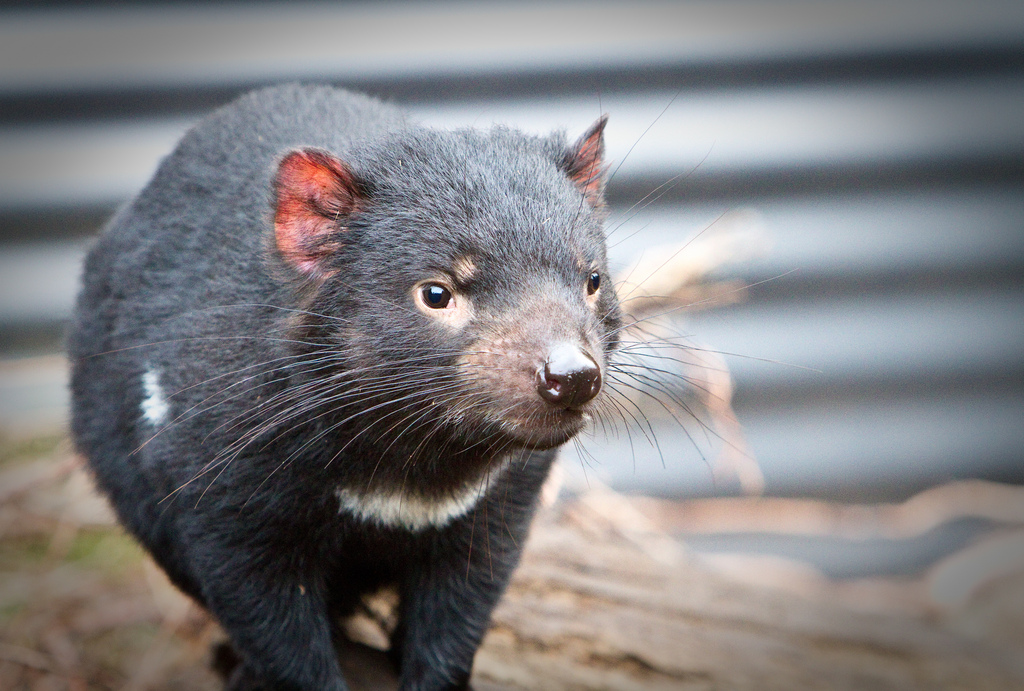
    The Tasmanina devil facial tumour.

    Using the genetic sequence information, the researchers were able to discount the involvement of a virus in the transmission of DFTD. Instead they were able to identify a new and radical form of transmission. Devils often bite each other in the face during eating and feeding behaviours. During biting, fragments of tumour from an affected individual become implanted in an almost vampiric manner in a new and healthy individual.

    The scientists also discovered that the DFTD tumour carries a mutation in a gene that plays a critical role in regulating the host’s immune reaction. From this, they concluded that the tumour cells are able to interfere with the host’s immune system immediately after implantation, The disrupted immune system is unable to kill the tumour, thereby ensuring the survival of the disease in the new individual.

    The results of this study have provided valuable insight into the management of the DFTD and the conservation of the Tasmanian Devil. Because the condition is only transmitted through the bite from a diseased individual, the disease can be effectively controlled by quarantining healthy populations from diseased. The condition will then be naturally eliminated as diseased individuals die off from within the affected population. Such a policy has already been implemented with the Tasmanian Department of Primary Industries, Water and Environment who have been identifying and quarantining disease free populations within the island. Individuals from the protected population may then be re-introduced into the Tasmanian Devil’s former habitat once the disease threat has passed.

    Despite the frequently cited threats that biotechnology poses to the environment, the application of gene sequencing technologies to the DFTD is an example of how biotechnology might be adopted to solve major environmental problems. In fact, the outcome of this gene sequencing project has contributed to a management plan that might yet save the Tasmanian Devil from extinction and conserve an important component of Australia’s unique biodiversity.

    Image source

  • Horticultural Tourism as a form of Sustainable Tourism

    Horticultural Tourism as a form of Sustainable Tourism

    Hedgework, source: http://www.flickr.com/photos/mithril/4382135401/in/photostream/

    Tourism industry has a significant effect on the Australian economy. The tourism industry was accounted for 2.5% of Australia’s GDP at a rate of $35 billion to the national economy in the financial year of 2010/2011.This is comparable with $94.8 million contribution of tourism a day to the Australian economy. (Australian Bureau of statistic. “Tourism Satelite account 2010-2011: Key Figures

  • Sonification of the Higgs Boson – the Sound of Particle

    Sonification of the Higgs Boson – the Sound of Particle

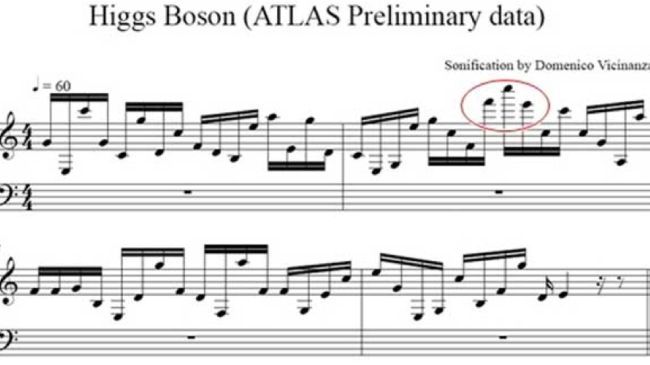
    The July 4 achievement and the discovery of Higgs Boson particle, created new possiblities for the researchers who have “sonified” the data from the Atlas experiment, by turning these scientific findings into music using data sonification. Working from results supplied by the Atlas experiment at the Large Hadron Collider (LHC), researchers have created melodies that make the results easier to understand.

    Sonification requires enormous amounts of networking and processing power to produce results, as the pan-European GÉANT network reports, it is the project coordinated by Domenico Vicinanza of DANTE (the UK-based organisation that operates the GÉANT network on behalf of European national research and education networks (NRENs)), in collaboration with Mariapaola Sorrentino of ASTRA Project, Cambridge, who contributed to the sonification process and Giuseppe La Rocca from INFN Catania, responsible for the computing framework.

    “In the music the peak of high notes in the second bar is the appearance of the Higgs-like particle (about 3.5 seconds into the recording). The researchers created two versions, one as a piano solo, and the second with added bass, percussion, marimba and xylophone.”

    Take a listen on a SoundCloud:

    “The discovery of the Higgs-like particle is a major step forward in our knowledge of the world around us,