Blog

  • Fun Facts about Baking Soda and Its Uses

    Fun Facts about Baking Soda and Its Uses

    Sodium bicarbonate or sodium hydrogen carbonate, better known as baking soda is a chemical compound with the formula NaHCO3 . It is primarily used in cooking and baking as a leavening agent, and as a very effective cleaning agent.

    It is mined in its natural form, nahcolite, as a white or colorless carbonate mineral. As something so simple at its core, sodium bicarbonate can be rather amazing, so let’s take a look at some of its many uses:

    How does baking powder work? Baking powder is a mixture of sodium bicarbonate and a weak acid, usually cream of tartar or sodium aluminum sulfate. It makes cakes and breads rise, and is superior to yeast because the chemical reaction is instant. When baking powder is mixed with a liquid, these two ingredients react to form bubbles of carbon dioxide gas. Since the reaction occurs immediately, it is best to complete your meal right away before the bubbles disappear. It’s very important to never over-mix your recipe, so that the bubbles are not stirred out of the mixture.

    There are two types of baking powder: Single-acting and Double-acting. The first makes carbon dioxide bubbles as soon as you make the mixture, while double-acting produces additional bubbles when your mixture is heated in the oven. This is because of the calcium acid phosphate, which lets out a small amount of carbon dioxide when the water is added, but much more when the mixture is heated.

    Personal hygiene. You probably know that sodium bicarbonate is found in many toothpaste formulas. That is because it has whitening properties and plaque-removal properties as well. Since it has anti-caries and abrasive properties, it is commonly used in some mouthwashes as well. There is a neat trick if you run out of toothpaste and need to brush your teeth: use plain baking soda with water. Because it acts as an antiseptic and neutralizes the production of acids in the mouth, it can be used as a replacement for toothpaste.

    Since sodium bicarbonate is gentle, it doesn’t strip your skin of it’s protective oils like most soaps do and can be used as a substitute to soap or shampoo. If you combine three parts baking soda to one part water, you can make a gentle cleanser, yet powerful enough to eradicate even the strongest smells such as onion and garlic.

    Sodium Bicarbonate as a cleaning agent. If made into a paste, combined with water, sodium bicarbonate can serve well as a cleaning agent. Whether it’s unclogging a drain, removing stubborn stains from laundry, or even acting as a deodoriser (instructions), baking soda makes a great cleaning agent because it is a mild alkali, and it can react with acids without causing any damaging reactions. This is also why it reacts erratically when combined with vinegar. Since it’s gentle, it is a good cleaning agent for chrome, steel, glass, enamel and plastic. It is great for removing tarnish from silver if mixed with warm water, and if mixed with cold water, great for removing surface rust from steel.

    Because sodium bicarbonate is a natural product and practically food, it is superior to other household cleaning agents because it is non-toxic. Therefore, it is the best substance to use when cleaning food-related items, as there is no fear of accidentally poisoning your children or pets! Here are some additional instructions on how you can clean practically any item in the house using baking soda and other non-toxic cleaning substances.

    Invisible ink. If you want to have some fun with sodium bicarbonate, there’s a little trick you can try: Mix equal parts baking soda and water to create the “ink

  • How Languages Evolve: Explained in a Winning TED-Ed Animation

    How Languages Evolve: Explained in a Winning TED-Ed Animation

    Language. It’s as adaptable as Darwin’s finches.

    It’d be interesting to know how the Internet changes the game. Seems like it would go a long way toward democratizing the process by which lingo gets mingled.

    Alex Gendler’s TED-Ed lesson, winningly animated by Igor Coric, rolls back the clock to a time when communal groups would subdivide and strike out on their own, usually in order to beef up the food supply.

    This sort of geographic and temporal separation was bound to take a toll, linguistically. Evolution is need-based. Vocabulary and pronunciation eventually betray the specifics of the speaker’s surroundings, their circumstances and needs.

    It takes some forensics to figure out how, or, even if, various languages relate to each other. A cunning linguist (forgive me) will also have the power to fill in historical gaps, by identifying words that have been borrowed from neighboring cultures, as well as more transient acquaintances.

    As a little experiment, look at the way you talk! Those of us without royal blood or a stick up our heinies tend to speak a mongrel patois custom tailored by our own experience. A little bit of regionalism, some professional jargon, a few colorful words gleaned from life’s characters, lines from long ago entertainments deployed as if the references were fresh.

    I’ll bet a linguist would have a field day with you, Bub.

    Even if you’re the most straightforward conversationalist on the planet, the people who can’t understand a word you say would greatly outnumber those who can.

    Maybe we should all “speak Mandarin,

  • Cleaning Bots – revolution in the floor cleaning

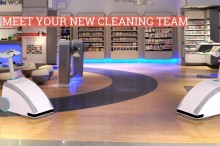
    Cleaning Bots – revolution in the floor cleaning

    Building a robots for snow removal seemed like a good business idea to founders of Avidbots company. However it has soon proved itself to be an idea difficult to be effectively implemented. After conducting a market research at this company, results have shown that it will need a lot of effort to break through and reach the customers of this specific market. Furthermore, snow removal market was already too much segmented into distinctive sub-markets such as driveway, parking, street snow removal market etc. Not to mention the sensibility of the demand towards whether conditions and the amount of snow which may vary from year to year. (more…)

  • Weakness in malaria parasite fats could see new treatments

    Weakness in malaria parasite fats could see new treatments

    A new study has revealed a weak spot in the complex life cycle of malaria, which could be exploited to prevent the spread of the deadly disease.

    It found female malaria parasites put on fat differently to male ones.

    “The study opens potential new ways to combat malaria,

  • Guide to the Most Important Green Building Certification Systems in the World

    Guide to the Most Important Green Building Certification Systems in the World

    Here in Australia, the GBCA are working towards a greener and more sustainable future. The past decade has seen tremendous growth within the building industry, as companies such as the GBCA and others have been working towards designing and creating a greater percentage of buildings that are certified as green and sustainable. When looking at how this has been accomplished, there are a plethora of green building certification systems throughout Australia and all over the world that have helped to create a new standard of quality within the industry. Here’s a brief look at what some of these systems are.

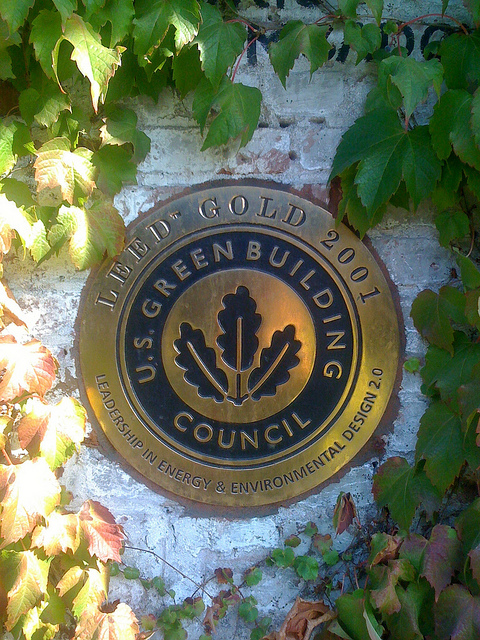
    LEED Gold Certification

    LEED Gold Certification

    The LEED certification system is one of the foremost rating systems in the world. In fact, LEED is the first green certification system to be utilized by Embassy TechZones in Serbia for their recent Business Park in Indjija and has rated the Pixel Building in Melbourne with the highest green rating out of 44,000 buildings in the world.

    In general, the LEED rating system helps to utilize sustainability in the design and construction of a building. This is accomplished through energy and water conservation, the reduction of greenhouse gas emissions, reducing the amount of waste sent to landfills, lowering the operating costs and providing incentives to building owners, such as tax rebates.

    Green Star

    Similar to LEED, Green Star is a rating system that is considered to be one of the best in all of Australia. This system rates a myriad of different types of buildings on how green and sustainable they are, including schools, hospitals, industrial facilities, offices, apartment buildings and more. They are an independent third-party analyst, so the ratings are never skewed in the favor of any particular building.

    This rating system utilizes a wide range of different factors for analysis in determining the sustainability level of a certain building. Each of these rating tools are designed specifically for different building types. For example, the ratings for an office are based on 8 factors, including management, indoor environment quality, energy, transport, water, materials, land use and ecology and emissions.

    NatHERS

    While not quite as large as the LEED and Green Star building certification systems, NatHERS focuses its system on house designs to ensure that they, at the very least, have the minimum amount of sustainability levels that have been set by the BCA, or Building Code of Australia. To ensure that a house is as energy efficient and green as possible, they provide a detailed analysis and rating at the very beginning of the design stage.

    Their rating extends from zero to ten stars, with the latter being the best that a house can achieve when it comes to energy efficiency. NatHERS determines the heating and cooling potential of a house by rating the shading, house location, house type, glazing type and building materials that are to be used in the construction of the house.

    NABERS

    NABERS, or National Australian Built Environment Rating System, measures and rates the environmental performance of buildings within Australia, such as hotels, offices and shopping centres. While they differ a bit from the aforementioned certification systems, as they focus primarily on grading how the building performs after its been completed instead of during its initial design and creation, they offer up a comprehensive set of rating tools that work well in determining the sustainability levels of a building.

    In 2010, the Commercial Building Disclosures ruling in Australia made it clear that all offices utilizing a floor area of more than 2,000 square meters must provide NABERS with their energy levels so that they can give the building an indoor performance rating. Their rating system is similar to that of Green Star, while they focus mostly on rating the water consumption, waste generation, indoor environment quality and energy bills of a building.

    Overall, these are merely just a few of the huge variety of green building certification systems that are present in the world and growing more numerous by the minute. With more and more businesses deciding to go the route of ensuring that their buildings meet these certification standards, the world’s environmental future is looking better with each passing day.

    Photos by Pierre, Sam Biebe on Flickr

  • Three Essential Qualities For All Serious Novelists (And Runners)

    Three Essential Qualities For All Serious Novelists (And Runners)

    We’ve brought you a wealth of Haruki Murakami lately, and for good reason. Not only does the wildly popular Japanese novelist have a new novel out, he also has an upcoming novella, The Strange Library, a 96-page story about, well, a “strange trip to the library,

  • Weekly Science Picks

    Weekly Science Picks

    It seems this first week in September brings us very interesting stories. The Northern Hemisphere is going to autumn and the Southern Hemisphere is going to spring, so let us see what we can offer for this editor’s choice. Quite exciting week, we must confirm. For instance, you may be wondering how the colour red warps the mind or why we have a boom in modern population. For this occasion, we would like to present all those and much more, so let’s begin.

    How the colour red warps the mind

    Today, shades of scarlet are linked with power, aggression, and sex – from the vermilion of the British Queen’s royal regalia to the gaudy neon of Amsterdam’s red–light district. And those associations may not be coincidence. A new branch of science called “colour psychology

  • First WHO report on suicide prevention

    First WHO report on suicide prevention

    More than 800 000 people die by suicide every year – around one person every 40 seconds, according to WHO’s first global report on suicide prevention, published today. Some 75% of suicides occur in low- and middle-income countries.

    Pesticide poisoning, hanging and firearms are among the most common methods of suicide globally. Evidence from Australia, Canada, Japan, New Zealand, the United States and a number of European countries reveals that limiting access to these means can help prevent people dying by suicide. Another key to reducing deaths by suicide is a commitment by national governments to the establishment and implementation of a coordinated plan of action. Currently, only 28 countries are known to have national suicide prevention strategies.

    Suicide is a global phenomenon

    Suicide occurs all over the world and can take place at almost any age. Globally, suicide rates are highest in people aged 70 years and over. In some countries, however, the highest rates are found among the young. Notably, suicide is the second leading cause of death in 15-29 year-olds globally.

    “This report is a call for action to address a large public health problem which has been shrouded in taboo for far too long

  • Kids love the volcano experiment

    Kids love the volcano experiment

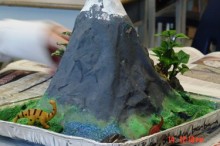
    Experiments are great. What better way is there to spend time with your kids, have fun with them and teach them a thing or two about science? Even better when they’re messy and dramatic like the “volcano experiment”. As an experiment you can do at home, it’s simple, cheap, safe and fun. To learn how, follow this easy step-by-step guide.

    The ingredients or “parts of the volcano

  • Somebody, the New App That Connects Strangers in the Real World

    Somebody, the New App That Connects Strangers in the Real World

    Having owned an iPhone for all of one month, I’m still a bit leery of all it can purportedly do for me. Convenience is great, but I’m not sure I’m ready to cede control of all the little tasks, challenges, and puzzles my own imperfect brain has been handling more or less well for nearly half a century.

    I don’t hate blundering. And I really like interacting with librarians, local residents, and strangers who might be willing to use my camera to take a group photo in a restaurant or scenic location.

    Filmmaker Miranda July’s just released Somebody is, I suspect, something of a niche app.

    If you cringe at the idea of flash mobs, Improv Everywhere, and audience interactive theater, it is most definitely not for you.

    It’s absolutely perfect for me (or will be once I get up to speed on my touchscreen.)

    Basically, you take a selfie, create a profile, and wait for a stranger to select you to deliver a live message as his or her proxy. In addition to trawling the area for the designated recipient, you may be called upon to weep, hug, or get on your knees to get that message across.

    Will you make a new friend? Probably not, but you will definitely share a moment.

    And because no good deed goes unrewarded, your performance will be open to the vagaries of customer review, a humiliation July does not shy from in the promotional video above.

    Is this app for real?

    Yes, especially if you live in LA, New York, or another culturally rich Somebody hotspot.

    If you don’t—or if receiving a message delivered, in all likelihood, by a tech savvy hipster, makes your flesh crawl—you can still enjoy the film as a comment on our digital existence, as well as a reflection of July’s ongoing desire to connect.

    Source and image.

  • New funds to bolster ANU clean energy research

    New funds to bolster ANU clean energy research

    The ANU will enhance its position as a leader in clean energy research after receiving $9 million in new funding for five major research and development projects.

    The Australian Renewable Energy Agency (ARENA) has announced details of the research funding, designed to help make renewable energy more affordable and to boost the amount of clean energy produced in Australia.

    “This funding announcement by ARENA will enhance the research capability of the ANU solar research programs, and will also substantially improve opportunities for training of PhD students and early career researchers,

  • WHO calls for stronger action on climate-related health risks

    WHO calls for stronger action on climate-related health risks

    Previously unrecognized health benefits could be realized from fast action to reduce climate change and its consequences. For example, changes in energy and transport policies could save millions of lives annually from diseases caused by high levels of air pollution. The right energy and transport policies could also reduce the burden of disease associated with physical inactivity and traffic injury.

    Measures to adapt to climate change could also save lives around the world by ensuring that communities are better prepared to deal with the impact of heat, extreme weather, infectious disease and food insecurity.

    First ever global conference

    These are two key messages being discussed at the first-ever global conference on health and climate, which opens today at WHO headquarters in Geneva. The conference brings together over 300 participants, including government ministers, heads of UN agencies, urban leaders, civil society and leading health, climate and sustainable-development experts.

    The health sector needs to act quickly and assertively to promote climate-smart strategies, climate and health experts warn.

    “The evidence is overwhelming: climate change endangers human health,

  • The Right and Wrong Way to Eat Sushi: A Primer

    The Right and Wrong Way to Eat Sushi: A Primer

    Vice.com’s food channel, Munchies, spent time with Naomichi Yasuda and learned the dos and don’ts of eating sushi. And they kindly summarized some practices that are permitted and verboten.

    (1) It’s okay to use your fingers to eat cut sushi rolls.
    (2) Don’t combine ginger and sushi, or ginger and soy sauce. Ginger is a palate cleanser in between bites.
    (3) When dipping sushi into soy sauce, dip fish-side down.
    (4) Never shake soy sauce off of sushi. That’s like shaking your wanker in public.

    The video above just begins to scratch the surface. If you head over to TheSushiFAQ, you can find a long list of rules and suggestions that will round out your sushi-eating etiquette. Here are some additional tips to keep in mind: Never put wasabi directly in the shoyu dish. And know that Sashimi is only to be eaten with your chopsticks, not with your hands.

    Source and image.

  • Singing astronaut inspects space engineering projects

    Singing astronaut inspects space engineering projects

    Astronaut Chris Hadfield has inspected projects to clean up space junk, and space engineering projects, at the University’s advanced Instrumentation and Technology Centre at Mount Stromlo.

    Commander Hadfield shot to fame when a film clip of him singing David Bowie’s Space Oddity from the International Space Station went viral.

    Mount Stromlo is home to a project to track and clean up hundreds of thousands of pieces of debris floating in orbit, which pose significant dangers to space exploration and satellites.

    “One of the risks of living on a spaceship is impact with debris. Mitigation is the key,