Blog

  • Weekly Science Picks

    Weekly Science Picks

    Hello everyone. I hope you’ve all had a good week! It’s a balmy Autumn evening here in the UK where I sit as I write this – and I must say, this week’s science picks include something quite historic…

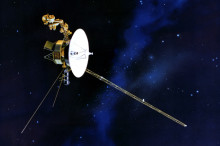
    Anyone with half an eye on the science news recently should know by now that it’s been officially confirmed that NASA’s Voyager 1 probe is has now been confirmed as being in interstellar space. It is no longer within the Sun’s heliosphere and no longer feels the solar wind. To Voyager, the Sun is now simply another star in the sky. Though as Phil Plait points out, being in interstellar space is not technically the same thing as leaving the solar system.

    Voyager 1 Reaches Interstellar Space. But Has It Left the Solar System? Wellllll…

    However, there’s more to our solar system’s far-flung suburbs than errant electrons and protons. Even out there, over 120 times farther from the Sun than the Earth’s orbit, there are more substantive objects: huge, frozen chunks of ice that are essentially giant comets… It’s like walking outside the front door of your house and saying you’ve left your property. While you’ve left your house, there’s still the yard all around you. You have a ways to go yet.


    Citizen Science has been around for a while now, as a fun and interesting way of getting internet users to casually help scientists analyse vast amounts of data. So the latest idea is to use online gaming and social media platforms like Facebook to bolster the effort…

    How Facebook and gaming could help scientists battle disease

    One example, a smartphone game set for release later this year, is currently called “GeneGame”. Players of the game, developed by Cancer Research UK, will be contributing to the identification of cancer-causing genetic faults from tumour samples. In a crucial difference to the Galaxy Zoo experiment, the scientific research will be a indirect consequence of the gameplay, rather than the explicit focus of the gameplay.


    From a long departed craft, to one of the most recent, NASA’s LADEE vehicle is currently en route to the Moon, to study its tenuous atmosphere (and the word “Atmosphere” is used rather loosely here, believe me). But as the probe was launched, there was an unfortunate amphibian casualty. You see, the launch pads at NASA’s Wallops facility are built in rather swampy areas…

    Frank the Frog Sacrificed Himself for LADEE Launch

    From NASA: “A still camera on a sound trigger captured this intriguing photo of an airborne frog as NASA’s LADEE spacecraft lifts off from Pad 0B at Wallops Flight Facility in Virginia. The photo team confirms the frog is real and was captured in a single frame by one of the remote cameras used to photograph the launch. The condition of the frog, however, is uncertain.


  • Big Data…Big Deal

    Big Data…Big Deal

    Data is everywhere. Via CRN.
    Data is everywhere. Via CRN.

    Data is everywhere. It touches and informs every aspect of our lives.

    You go to the doctor, and your medical records are electronic on a computer screen before your eyes.

    You bank online.

    The stock market is all done by computers.

    We are living in The Data Age.

    I grew up in a time where the word data seemed to be only used in science classrooms. Now, it’s data this, data that, data here, data there. Consumer technology and social media have shot data out of a cannon. We want to pinpoint the minutiae of every day life down to the smallest factoid so that a story can be told from it. And this is not such a bad thing, but it does make me wonder what the next 50 years will bring. How much more can we manipulate and manufacture data into other ‘life’ forms?

    It seems as though modern times are placing a huge expectation upon big data; mainly, that it will solve all of our problems. And while there is this potential to help us make informed decisions, we cannot expect data to tell us what the decisions are that need to be made. Creativity is the first ingredient in the blender.

    This creativity emerges again in the processing of the data and figuring out the best means to present the data in a way that paints a story that is easily understandable. Many are not literate in data and this divide is very clear in different populations of students and communities. How we teach data literacy in schools is and will be increasingly important. How kids learn the very act of searching the Internet will be crucial in helping them understand data and how to present that data.

    A good example of teaching data literacy comes from within my own family. A 70-year old man wanted to learn how to use the Internet. His sons tried, became frustrated at the process. The sons passed him onto the grandsons, who became frustrated as granddad paused to write down every step so he could get online by himself. One of the sons, a principal at a primary school tried something different. He brought his dad to school and set him down in the computer class with the 8-year-olds. There he learned everything he needed to know – how to get online, how to search. Now he’s planning trips to the Italian Alps, keeping up on the golf scores, staying in touch with his children over email, reading history books online.

    The Internet of Everything is expanding. Machines are connected globally. Data has gotten big, really big. Data illiteracy and a lack of computer basics will continue to divide populations. However, with the right instruction, generational gaps can be bridged. Fundamentally how we learn is the same; it’s just the tools that are changing. Big data is changing the world.


  • The First Science Promotion Conference in Southeast Europe

    The First Science Promotion Conference in Southeast Europe

    If you happen to be in Europe this October, you probably wouldn’t like to miss the First Regional Science Promotion Conference on October 2 and 3, 2013 in Belgrade, Serbia (Southeast Europe).

    The Center for the Promotion of Science (CPN), under the UNESCO patronage, is hosting the First Regional Science Promotion Conference with the aim of gathering science promotion professionals, practitioners and enthusiasts from the Region in order for them to share experience, to network and formulate the future steps in view of strengthening the link between science and society in our Region. Exploring challenges and finding synergies on the path towards our common aim to increase the scientific culture in the region, should result in the identification of short and long term strategic goals.

    Keynote sessions will bring international experts and representatives of international organizations, research and education institutions, science camps, science communicators, NGOs, private sector and media on board.

    They will address the topic of science promotion and communication challenges and open the debate on how to:

    – Strengthen the link between science and society through communication between the state and local institutions, research organizations, academic community, media and the public

    – Improve the scientific culture in the region via public popular science programs;

    – Increase the role of media in the promotion of science and education;

    – Emphasize the role of science centers and science camps in the popularization of science;

    – Improve science communication and language of scientists and researchers allowing them to present their work in a comprehensive manner;

    – Use science and innovation to boost economic development.

    These wide network of science promotion contributors will allow diverse contributions to the Conference’s thematic sessions:

    – Popular science events

    – Media and Science (Back-to-back Program with UNESCO South East Science Journalism School)

    – Science Camps

    – Science Center Communication Towards the Public

    – Science Communication From Research Iinstitutions Towards the Public

    – Knowledge Economy: Science, Innovation and Economic Prosperity

    The joint Conference Conclusions and Action Plan, as the result of the First Regional Conference, should help bring science promotion higher on the agenda in each of the participating countries and secure the sustainability of wider engagement of science in society.

    Attending this Conference will give you the opportunity to join your colleagues from the region, exchange ideas, get inspired by presentations of top experts in the field of science promotion, and contribute to the drafting of the concrete Action Plan for the enhancement of impact and visibility of science in our society.

    Find out more about Science Festivals, Science Workshops and Science Events, and the Conference programme: http://cpn.rs/conference/programme.php#sessionC

    You can register here for free: http://cpn.rs/conference/registration.php

    More about the The Center for the Promotion of Science: http://www.cpn.rs/?lang=en

  • Stanford’s Virtual Human Interaction Lab

    Stanford’s Virtual Human Interaction Lab

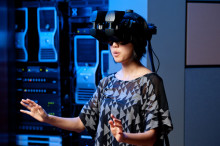
    Go behind the scenes and take a virtual tour of Stanford’s Virtual Human Interaction Lab. The lab aims to research psychological experimentation in the virtual world, according to Associate Professor of Communication Jeremy Bailenson. “We integrate three virtual senses in a way that’s very psychologically persuasive — sight, sound and touch.

    The state-of-the-art lab also offers a glimpse of the near future in household entertainment. “We’re using this cutting-edge lab to try to think ahead by a few years to predict what household technology is going to be like and how that’s going to affect people,” Bailenson said.

    The VHIL VR Lab integrates technology that can stimulate three of the human senses at once —spatialized sound, virtual touch (haptics), and three-dimensional imagery. The lab features cutting edge equipment for tracking motion, rendering graphics, and displaying visual, aural, and haptic information. Kornberg Associates Architects have collaborated with Worldviz LLC, the world’s leading virtual reality creators, and Stanford University to renovate all aspects of the lab.

    The lab includes a multisensory room that allows participants to explore a 20 by 20 foot space with spatialized sound, floor shakers, and a new head-mounted display (HMD). The HMD is tethered to a ceiling mount and allows an unrestricted range of motion in the multisensory room. In addition, the spatialized sound system makes sounds “move” around the lab space and allows users to hear natural and realistic aural information without relying on headphones. Surface motion is incorporated into experiments through the installation of floor shakers. Controlled vibrations give users the sensation of movement, which will increase the compelling nature of the virtual world. At one moment, a user may feel immersed in an earthquake simulation, while the next moment the sensations may simulate crossing a suspension bridge.

    Read more and take a tour: http://vhil.stanford.edu/tour/

    Image source.

  • A Planetary Perspective: With Landsat and Google Earth Engine

    A Planetary Perspective: With Landsat and Google Earth Engine

    Since July 1972, NASA’s Landsat satellites have gathered images over the entire land surface of the Earth, creating the most complete record ever assembled. These images, archived at USGS, reveal dynamic changes over time due to human activity (deforestation, urbanization) and natural processes (volcanic eruptions, wildfire). Now, Google Earth Engine allows scientists, researchers and the public to easily view and analyze this treasure trove of planetary data. http://earthengine.google.org.

  • The Hallmarks of Cancer: Growth Factors and Cell Signaling

    The Hallmarks of Cancer: Growth Factors and Cell Signaling

    This article originally appeared on Know The Cosmos. I will be re-posting excerpts here for Australian Science with added commentary over the coming weeks!

    “The Hallmarks of Cancer” are ten anti-cancer defense mechanisms that are hardwired into our cells, that must be breached by a cell on the path towards cancer. The First Hallmark of Cancer is defined as “Self-Sufficiency in Growth Signals”. What does this mean? In this post I will give an overview of growth factors and how they arhow growth signals are intimately involved in the development of cancer, it is necessary to define and understand what growth factors are, and explain how they control normal cellular behavior.

    Growth Factors

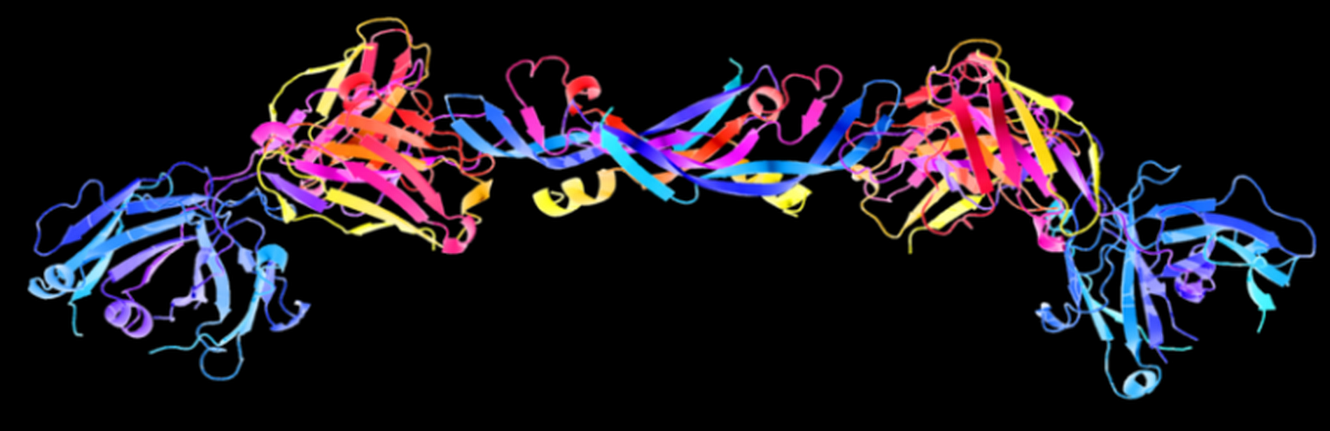
    Growth Factors are beautiful! This is a 3D schematic representation (also known as a ribbon diagram) of the structure of a growth factor known as Vascular Endothelial Growth Factor (VEGF). VEGF stimulates the development of new blood vessels, a process known as angiogenesis. Many large tumors secrete their own supply of VEGF in order to generate a supply line of oxygen-rich blood for the growing tumor to feed on. Image credit: Gizmag
    Growth Factors are beautiful! This is a 3D schematic representation (also known as a ribbon diagram) of the structure of a growth factor known as Vascular Endothelial Growth Factor (VEGF). VEGF stimulates the development of new blood vessels, a process known as angiogenesis. Many large tumors secrete their own supply of VEGF in order to generate a supply line of oxygen-rich blood for the growing tumor to feed on. Image credit: Gizmag

    Growth factors are, simply put, substances that control the multiplication of cells. There are many different types of growth factors, but they all have several characteristics in common. They are all proteins, and present at very low concentrations in tissues but with a high biological activity. They are responsible for controlling essential functions within the cell; growth, specialization and survival. Growth factors also do not circulate in the blood stream; instead, they act locally in areas near the cells that produce them. The image on the right shows a growth factor known as Vascular Endothelial Growth Factor (VEGF).

    Cell Signaling

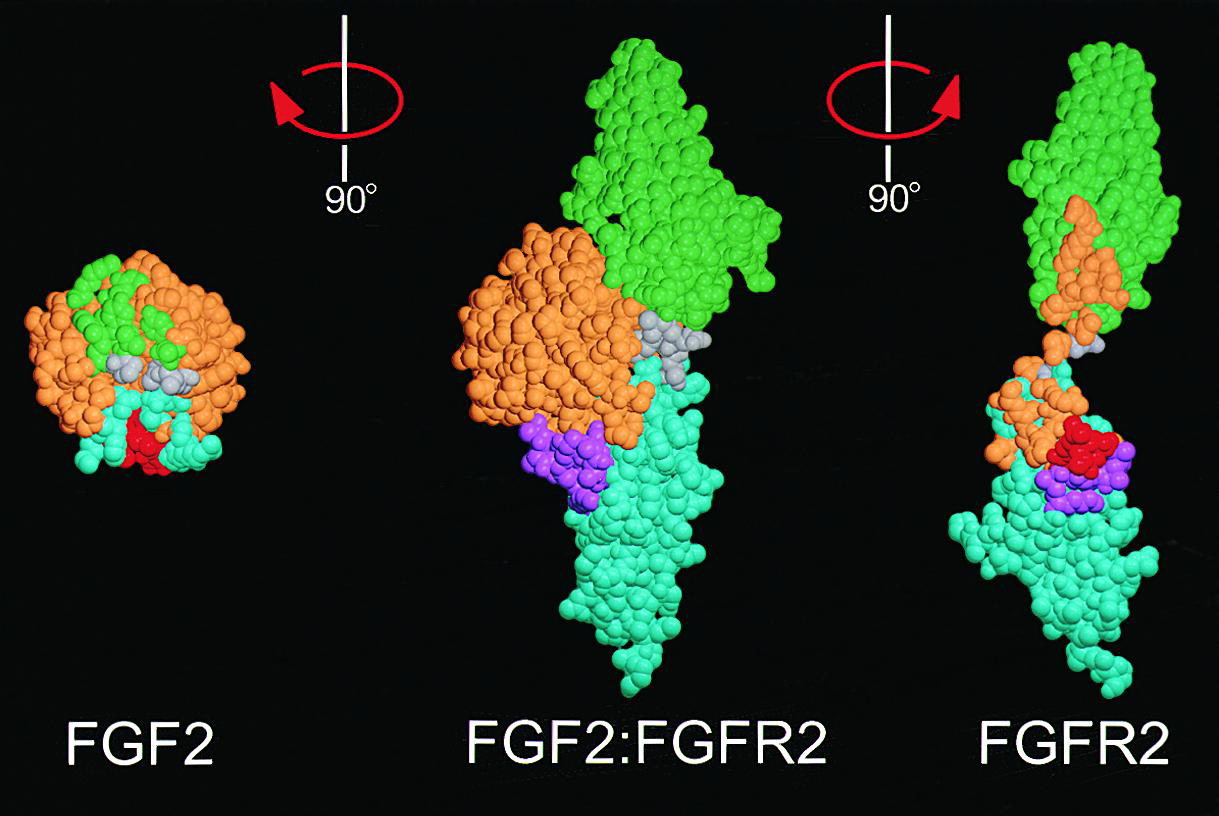
    Growth Factors fit perfectly into Growth Factor Receptor Binding Sites. Two different types of Fibroblast Growth Factor (FGF1 and FGF2, left) shown bound to its specific receptor (center) and separate (right). Image credit: Alexander Plotnikov.
    Growth Factors fit perfectly into Growth Factor Receptor Binding Sites. Two different types of Fibroblast Growth Factor (FGF1 and FGF2, left) shown bound to its specific receptor (center) and separate (right). Image credit: Alexander Plotnikov.

    It is impossible to talk about growth factors and cancer without going over some of the basics of cell signaling. We are multi-cellular animals, and as such, our cells need to communicate with each other, so they can act in a coordinated manner in response to the environment. The basis of this communication comes from a process known as cell signaling.

    The behavior of a cell depends on its immediate surrounding environment, known as the microenvironment. The assortment of growth factors in this microenvironment is the most important aspect regulating the behavior of that cell. All growth factors exert their effects by binding to a receptor. Receptors are proteins found on the surface of a cell that receive such chemical signals from the outside of the cell. Each growth factor has it’s own receptor; think of it as a key (the growth factor) fitting into a lock (the receptor). Growth factor receptors tend to be ‘transmembrane molecules’; this means that one end of the receptor ‘sticks out’ through the cell membrane into the microenvironment while the other end projects inside the cell. By spanning across the cell membrane, growth factor receptors are able to communicate signals from outside the cell (e.g. presence of growth factors in the microenvironment) to the inside of the cell. Revisiting the lock and key analogy, think of it as a key that fits into a lock that protrudes through the door-frame, instead of being flush against the door.

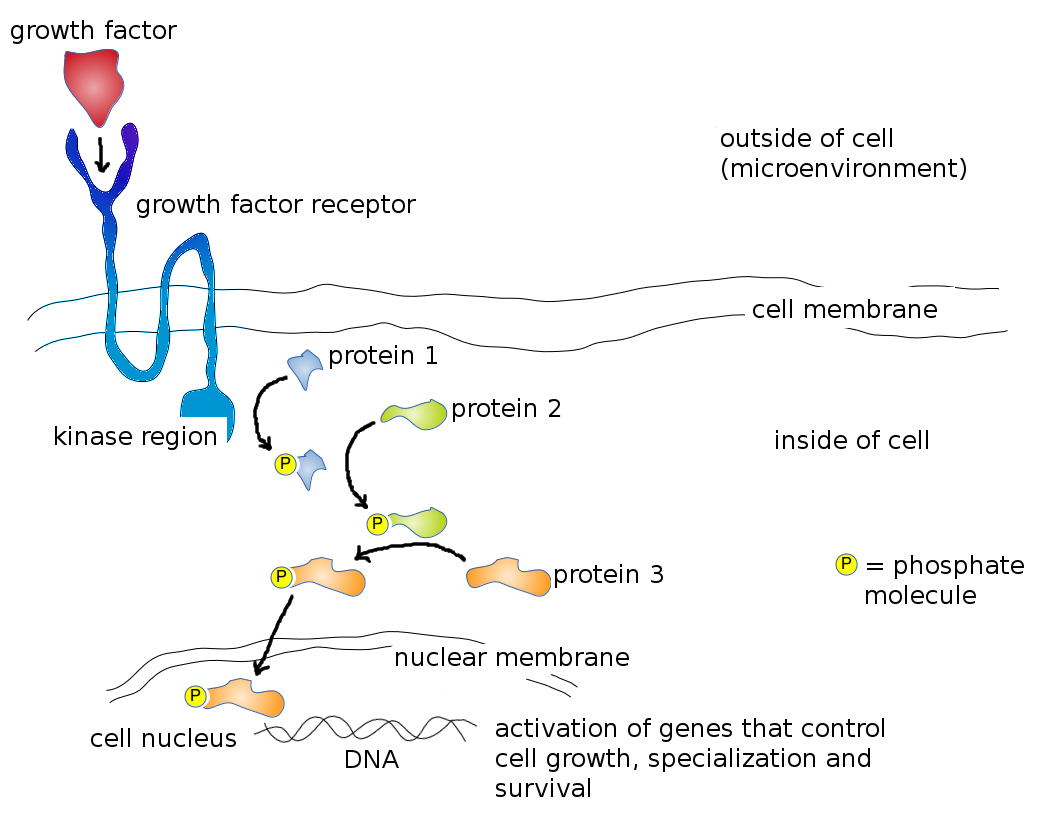
    The binding of the growth factor to its specific receptor triggers a phosphorylation reaction inside the cell. Phosphorylation, or the addition of a phosphate group to a protein molecule, is an important step in cell signaling. This is because many proteins exist in an ‘on’ or ‘off’ state that can be switched by phosphorylation. Therefore, phosphorylation is a key step in regulating their activity. The enzymes that add phosphate groups to proteins are known as kinases; enzymes that remove phosphates are known as phosphatases. The exterior end of the receptor protein (the bit that sticks out of the cell) carries the growth factor binding site; the other end which projects inside the cell carries a kinase site. Binding of growth factor to the receptor binding site activates the kinase domain on the interior end of the receptor protein. This activated kinase, true to it’s name, then goes on to add phosphate groups to other proteins inside the cell, which then activate more proteins downstream, triggering a signaling cascade that finally ends with the activation of genes that bring about….you guessed it, cellular growth, specialization, or survival! The image below illustrates this process – I couldn’t find a decent one online so I made my own!

    Mode of action of a typical Growth Factor. Growth Factor (red) binds to specific Growth Factor Receptor Binding Site (dark blue) on cell surface, which activates the kinase region (light blue). Activated kinase region now adds a phosphate group (yellow) to Protein 1 (blue) which activates it. Activated Protein 1 now adds a phosphate group to Protein 2 (green) further down the pathway, which activates it. Activated Protein 2 subsequently adds a phosphate group to Protein 3 (orange) which activates it. Activated Protein 3 moves through the nuclear membrane into the cell nucleus where it physically binds to the DNA and activates genes that control cell growth, specialization and survival. Image credit: Buddhini Samarasinghe
    Mode of action of a typical Growth Factor. Growth Factor (red) binds to specific Growth Factor Receptor Binding Site (dark blue) on cell surface, which activates the kinase region (light blue). Activated kinase region now adds a phosphate group (yellow) to Protein 1 (blue) which activates it. Activated Protein 1 now adds a phosphate group to Protein 2 (green) further down the pathway, which activates it. Activated Protein 2 subsequently adds a phosphate group to Protein 3 (orange) which activates it. Activated Protein 3 moves through the nuclear membrane into the cell nucleus where it physically binds to the DNA and activates genes that control cell growth, specialization and survival. Image credit: Buddhini Samarasinghe

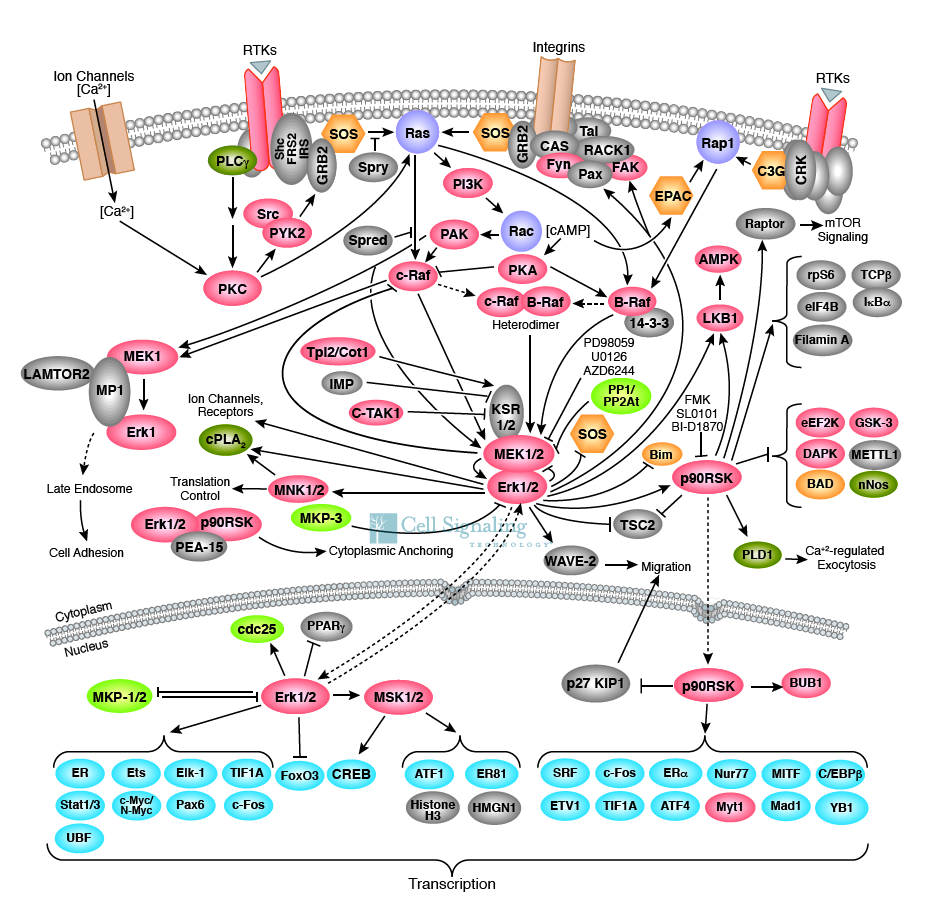
    The description above is an extremely simplified version of what happens inside a cell; in reality, it is not so much a linear signaling pathway as it is an interwoven, intricate signaling web, with promiscuous proteins from many different pathways activating and repressing one another. The image below is not meant to frighten you (!) but rather to give you an idea how truly complex just one such signaling pathway, known as the MAPK/Erk pathway is.

    A truly complex web of cell communication! These are some of the proteins we know that are involved in a single pathway known as the MAPK/Erk pathway. Signals from the outside of the cell go through this web of signaling, ultimately ending up with the activation of genes involved in growth, specialization and survival of the cell. Image credit: Cell Signaling Technology.
    A truly complex web of cell communication! These are some of the proteins we know that are involved in a single pathway known as the MAPK/Erk pathway. Signals from the outside of the cell go through this web of signaling, ultimately ending up with the activation of genes involved in growth, specialization and survival of the cell. Image credit: Cell Signaling Technology.

    So there you have it. We’ve covered the basics of cell signaling and the molecular mechanisms that cause a cell to grow. Next time…I will explain what goes wrong with these processes in a cancer cell.

  • Weekly Science Picks

    Weekly Science Picks

    Flying virus carrier. Photo credit: Jonathan H. Epstein/ EcoHealth Alliance
    Flying virus carrier. Photo credit: Jonathan H. Epstein/ EcoHealth Alliance

    Well, it’s a new day in Australia with the election of Tony Abbott. It will be interesting to see what changes may be ahead for environmental laws and science.

    But this is Weekly Science Picks and not a political roundup at the moment, so let’s get started on some of the fascinating stories in the world of science this week.

    With H.I.V., SARS, and now MERS, a virus catalog seems like a good resource to have for future and potentially deadly epidemics.

    A Catalog for All the World’s Viruses? by Carl Zimmer

    In a new study published in the journal mBio, Dr. Anthony and his colleagues have taken an initial step toward such a catalog by exhaustively searching for all the viruses that infect a single species of mammal — a bat known as the Indian Flying Fox. They found 55 viruses, 50 of which are new to science.

    If you had hopes of escaping planet Earth and heading to your lunar estate for some peace and quiet…well, you might need to think again.

    Why we might not be able to live on the Moon by Philip Ball

    A new paper in the journal Geophysical Research Letters drives another nail into the coffin of lunar living. It suggests that what was at first taken to be bright, reflective ice in the Shackleton crater is in fact more likely to be white rock.

    An intriguing story about land, mining and the afterlife.

    Inside the Battle Over a Strip-Mine Cemetery by Pat Walters

    To your rear will be 40 graves—old men and women, small children, veterans of conflicts from the Civil War to World War II—surrounded by a white, split-rail fence and a thin ring of trees. Underfoot: approximately four billion dollars’ worth of coal.

    To cap off this week’s edition, a story by Australian Science’s own, Danielle Spencer. What an incredible job to engage children in science and guide them on their journeys of exploration and discovery of the world around them! Take a look at Danielle’s latest post about teaching a unit on space to her students.

    Where does the Sun Go at Night? by Danielle Spencer

    Now other than being highly entertaining to read, identifying children’s misconceptions is an important part of science teaching. Whilst admittedly some of the above responses may have been guesses, the children were asked to provide their best reason. The responses included here are a sample of the wide variety provided by the children.

  • Chomsky Calls Postmodern Critiques of Science Over-Inflated “Polysyllabic Truisms

    Chomsky Calls Postmodern Critiques of Science Over-Inflated “Polysyllabic Truisms

    In the interview video below, Chomsky makes a blanket critique of what the interviewer calls the “left criticism of science

  • Plasma-treated nano filters help purify world water supply

    Plasma-treated nano filters help purify world water supply

    The study paves the way for the next generation of portable water purification devices, which could provide relief to the 780 million people around the world who face every day without access to a clean water supply.

    An international team of researchers – led by Associate Professor Hui Ying Yang from Singapore University of Technology and Design – showed that water purification membranes enhanced by plasma-treated carbon nanotubes are ideal for removing contaminants and brine from water.

    The team included Dr Zhaojun Han and Professor Kostya (Ken) Ostrikov from CSIRO’s world-leading Plasma Nanoscience Laboratories.

    According to Dr Han, these membranes could be integrated into portable water purification devices the size of a tea pot that would be rechargeable, inexpensive and more effective than many existing filtration methods. Contaminated water would go in one end, and clean drinkable water would come out the other.

    “Small portable purification devices are increasingly recognised as the best way to meet the needs of clean water and sanitation in developing countries and in remote locations, minimising the risk of many serious diseases,” Dr Han says.

    “The large industrialised purification plants we see in other parts of the world are just not practical – they consume a large amount of energy and have high labour costs, making them very expensive to run.”

    Dr Han acknowledges that some smaller portable devices do already exist. However, because they rely on reverse osmosis and thermal processes, they are able to remove salt ions but are unable to filter out organic contaminants from the briny water found in some river and lake systems.

    “For people in remote locations, briny water can sometimes be the only available water source,” he says. “That’s why it’s important to not only be able to remove salts from water, but to also be able to put it through a process of purification.”

    “Our study showed that carbon nanotube membranes were able to filter out ions of vastly different sizes – meaning they were able to remove salt, along with other impurities,” he says.

    According to Professor Ostrikov, the other downside of existing portable devices is that they require a continuous power supply to operate their thermal processes. “On the other hand, the new membranes could be operated as a rechargeable device.”

    Professor Ostrikov attributes the success of the new membranes to the unique properties of plasma treated carbon nanotubes.

    “Firstly, ultralong nanotubes have a very large surface area that is ideal for filtration. Secondly, nanotubes are easy to modify, which allows us to tailor their surface properties through localised nanoscale plasma treatment,” he says.

    Now that the researchers have proven the effectiveness of the method, they plan to extend their research to investigate the filtration properties of other nanomaterials. They will begin by looking at graphene, which has similar properties to carbon nanotubes, but could be made considerably denser and stronger.

    The study ‘Carbon nanotube membranes with ultrahigh specific capacity for water desalination and purification’ is a collaborative work between Singapore University of Technology and Design, CSIRO, Massachusetts Institute of Technology (MIT), the University of Sydney, and Hong Kong Polytechnic University.

    Yang HY, Han ZJ, Yu SF, Pey KL, Ostrikov K, Karnik R. 2013. Carbon nanotube membranes with ultrahigh specific adsorption capacity for water desalination and purification [external link]. Nature Communications. 2220. doi:10.1038/ncomms3220.

    Source and image.

  • Where does the Sun Go at Night?

    Where does the Sun Go at Night?

    Most of us are curious beings and we attempt to make meaning from our lives, our world, the universe and all the ‘stuff’ within. Children are no different and they often have built elaborate ideas for why things happen. Quite often though, the ideas are disorganised or have no scientific basis. These preconceived misconceptions may be deeply rooted and very difficult to shift. This is particularly so for concepts regarding space.

    As a diagnostic assessment to my current space unit, I wanted to assess my student’s preconceived ideas about the Earth, Sun and moon system.  By Grade 7 (age 11- 12), students will have completed two previous science units on space and have observed phenomena from the sun and moon on countless occasions. Despite this, a significant portion of both classes I assessed (n = 46) had a limited understanding of scientific explanations and had built their own misunderstandings for various phenomena such as day / night, moon phases, seasons and the tides.


    Question Correct Most Common Misconception Sample  Responses
    Where does the Sun go at   Night? n = 11 the sun moves to the other side of the earth(n= 21). the sun goes behind the moon   (n=7)to space behind the cloudsthe sun and the moon both shine on different parts of the EarthThe sun rotates around our planet so when the sun passes us we have   daylight.It goes around the galaxy
    Why does the moon change shape   at night? n = 10 The clouds are covering it(n=7) the moon has different partsthe moon is a planet so it will keep movingbecause of the seasonsbecause the dark side changes each nightit’s getting lateonly some of it can light upit came out earlier and the sun rotates around itother planets get in between the moon and the sun
    Why can you see the moon during   the day? n = 4 clear sky (n = 4) Because there are no clouds to cover it upYou might not be fully around to see itThe moon might be moving to Europe* several children provided no response to this question (n=24)
    Why do we have seasons? n = 3 We are closer to the sun in summer    (n = 10) if we are facing the Sun that’s summer, if we are not facing the Sun that’s   winterit gives the universe time to blend togetherthe weather causes themin winter the moon is out more so its colder, in summer the Sun is   out more so its warmerit happens when the moon goes around the earthglobal warming caused themsometimes the planet doesn’t always orbit the sunthey change when the moon orbits around the earth
    Why do we have tides? n = 7 The moon is a water magnet / magnetic forces (n = 7) The moon makes light waves that moves the waterThe waves push the waterWhen two plates under the ocean move it causes the water in the ocean   to moveThe windThe moon changes shapeThe earth turning


    Now other than being highly entertaining to read, identifying children’s misconceptions is an important part of science teaching. Whilst admittedly some of the above responses may have been guesses, the children were asked to provide their best reason.   The responses included here are a sample of the wide variety provided by the children.

    For children to alter their preconceived ideas, they must face an unsettling period of cognitive dissonance. Teachers must expose the children to enough examples that challenge the child’s way of thinking. Mostly in science, this is done through experiential learning. When children witness with their own eyes something that is in conflict with their preconceived misconceptions they begin to alter their understandings to a more accurate scientific accurate way of thinking.

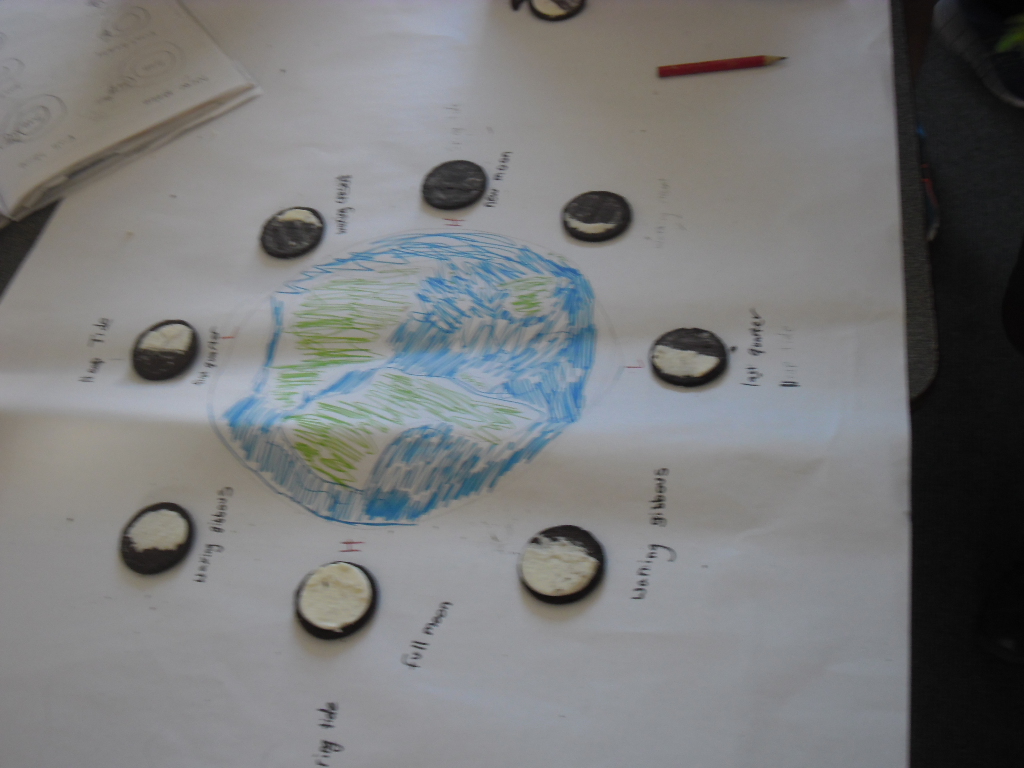
    The challenge then for learning concepts about the Earth, Sun and moon system is to provide the children with a variety of models to demonstrate space phenomena. Polystyrene balls become model Earths, torches become suns, Oreo biscuits can become moons.  Thankfully there is a wide range of interactive resources available to support the learning as well. One of my favourites would be the Sun Moon Scope on http://www.solarsystemscope.com/sunmoonscope/ which enables the children to select any date of the year to observe the trajectory of the Sun and determine the moon phase.  With this resource, children can see cyclical change in moon phases.SAM_1741 Oreo Moon Phases

    Obviously, it is my aim that by the summative assessment stage of this unit most of the children will be able to answer the diagnostic assessment questions with greater scientific accuracy and clarity. Reminds me though of the study by the Australian Academy of Science earlier this year, where some 40% of those people surveyed did not know that it takes one year for the Earth to orbit the Sun. Seems some misconceptions are hard to shift.  Just as I tell the children, we must keep on learning.

  • The Ten Hallmarks of Cancer

    The Ten Hallmarks of Cancer

    This series of articles originally appeared on Know The Cosmos. I will be reposting the articles here for AusSci with added commentary over the coming weeks!

    In 2002, Robert Weinberg and Douglas Hanahan published a review article in the journal Cell titled “The Hallmarks of Cancer

  • Australia’s big broadband ‘app-ortunity’

    Australia’s big broadband ‘app-ortunity’

    Alarms which send you mobile alerts warning of smoke detected in your house and tele-health systems which help to measure home-based breathing exercises for patients suffering from chronic disease are just some of the potential applications available over next generation broadband networks, according to a new report released today by the Australian Centre for Broadband Innovation (ACBI).

    Informed by range of expert industry perspectives on how future services will be offered in health, education, energy, business and media, the ‘App-trepreneur’s Guide to Broadband Connected Services’, outlines opportunities for the development of new broadband-enabled applications.

    “We are on the dawn of a new ‘App Age’, where next generation broadband networks will allow us to better manage our home energy use, support the elderly living independently at home as well as providing us with more personalised entertainment content by connecting people in their homes with services enabled by sensors and cloud computing,” said Colin Griffith, Director of ACBI.

    “With predictions that by 2020 the average person will own six smart devices connecting us to over 37 billion ‘things’, from cows in the field, to our car, to our washing machine, it’s clear that a better broadband infrastructure will revolutionise the way we access services in the home.”

    In April this year, ACBI in conjunction with its industry partners Intel, iiNet, Foxtel, Pottinger, NSW Trade and Investment, NBN Co, CSIRO and NICTA announced the Apps4Broadband competition for developers to create new ideas for applications which run over next generation broadband networks. The ‘App-trepreneur’s Guide to Broadband Connected Services’ report also highlights case studies of winners from the competition as examples of these future services.

    “The Apps4Broadband competition was designed to help Australians better understand what is possible through the smart use of broadband as well as accelerate the ability of Australian developers to realise new business opportunities by connecting with service providers, technology partners and end users to build game-changing apps,” said Mr Griffith.

    “We’ve had a great response from developers who have come up with some really interesting and new ways for people to access health, energy, education, retail, security, entertainment and many more services. The diversity of these ideas not only demonstrates the tangible benefits of broadband to the public but also suggests that we have only scratched the surface in identifying future business models and services which leverage our national broadband infrastructure. The ‘app-ortunity’ for innovation really is endless from here,” he said.

    The winners of the Apps4Broadband competition include:

    • TutorBee: A platform that allows tutors to give interactive lessons to students in their homes.
      • Winner of Best App sponsored by NSW Trade and Investment,
      • Winner Best Business-to-Business App sponsored by Pottinger and
      • Joint Winner of Best Health, Education and Social Services App sponsored by Intel.
    • Pepster: A home based breathing exercise app and device for Cystic Fibrosis patients.
      • Joint winner of Best Health, Education and Social Services App sponsored by Intel.
    • Pass the Popcorn: a second screen app for synchronising watching on-demand television and chatting with friends.
      • Winner of Best Media and Entertainment App sponsored by Foxtel.
    • The Bop Smoke Alarm: A smoke detector and app for managing alerts, false alarms and the need to replace batteries.
      • Joint winner of Best Smart Appliances, Security and Energy App sponsored by iiNet.
    • Senograph: A sensor management platform and prototype sensor for home air quality and detection of carbon monoxide.
      • Joint winner of best smart appliances, security and energy app sponsored by iiNet.

    For more information on the future trends in broadband applications and for a full list of winners from the Apps4Broadband competition, download ACBI’s ‘App-trepreneur’s Guide to Broadband Connected Services’ by visiting http://www.csiro.au/acbi-book/

    Source: http://www.csiro.au/Portals/Media/Australias-big-broadband-app-ortunity.aspx

  • Weekly Science Picks

    Weekly Science Picks

    Sundays. They were meant for science. Without any further ado…

    For all those who have always thought about doing what we here at Australian Science do — science blogging — here are some word-shaped pearls of wisdom.

    Should you write a science blog?

    “I used to think there should really be more scientists blogging. That’s because for me science journalism not so much a source of information but a source of news. It tells me where the action is and points into a direction. If it seems interesting I’ll go and look up the references, but if it’s not a field close to my own I prefer if somebody who actually works on the topic offers an opinion. And I don’t mean a cropped sentence with a carefully chosen adjective and politically correct grammar. In some research areas, quantum gravity one of them, there really aren’t many researchers offering first-hand opinions. Shame on you.

  • The Most Useful Science Student Books for AU Universities

    The Most Useful Science Student Books for AU Universities

    Student life can be a bit of a struggle – you are at your prime, young and energetic, and you need to balance studying, fun and work, all the while trying to make ends meet on an often limited budget. Be that as it may, Australia still has some of the best universities in the world, which offer great learning opportunities to their students. When it comes to science there are a lot of options to choose, but keeping in mind that students often have to make due on a tight budget I will look into some useful general textbooks that cover all the important basics and some cost-effective purchase options. These are all textbooks that offer great information on the core principles in their respective fields and can give students a very strong scientific foundation which they can expand upon as they progress in their studies. Within this article I am going to focus just on two science fields: Bioscience and Chemistry.

    Biosciences Textbooks

    Biosciences are particularly interesting scientific branches that offer deeper insights into the way we are built, how our bodies work and how our body chemistry can be manipulated to improve health and fight disease. They also offer great career opportunities. Some great bioscience textbooks include:

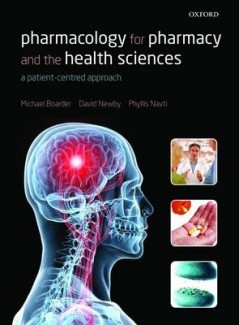
    • Pharmacology for Pharmacy and the Health Sciences – a great choice for those that want to learn about the clinical use of drugs and their effects on the human body on a cellular level. This textbook can help you built a solid knowledge base in pharmacology.
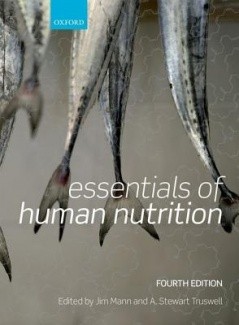
    • Essentials of Human Nutrition – a good overall choice for those who wish to familiarize themselves with the field of nutrition. The textbook gives a broad overview of the field.
    • Chemistry for the Biosciences – an overview of the core concepts of chemistry and how they affect the biological world. The textbook contains numerous analogies and real world examples which help those studying biological and biomedical science get a good understanding of this crucial information and allow them to later build upon this knowledge.

    jekkle1jekkle4jekkle2jekkle3

    Chemistry Textbooks

    Chemistry is an integral part of our daily lives and even laymen will cross paths with some of its laws during simple daily tasks. Some great textbooks every chemistry student should have by his or her side include:

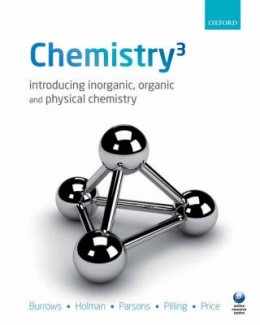
    • Inorganic Chemistry, Sixth Edition – a comprehensive and easy to read textbook that covers all the fundamental principles as well as practical applications.
    • Organic Chemistry: a mechanistic approach – this textbook provides a great insight into the nature of organic compounds and their reactions and serves as an introduction into more complex subjects and deeper research.
    • Atkins’ Physical Chemistry, Tenth Edition – an easy to read textbook that will allow you to quickly find all the information you need on physical chemistry. It contains information on areas such as thermodynamics, quantum theory, molecular structure and chemical kinetics.

    Many of these books you can find online and the best thing is that you can actually get used textbooks from older students, or you can get eBook versions which are significantly cheaper or you can even rent textbooks for a limited time, e.g. for a month when preparing an exam.

    All in all, these textbooks will provide you with enough material to develop a strong understanding of the basic scientific principles that you will need to call upon many times during your studies.